General articles are free for 24 hours after publish.
The Evolving Face of "Made in China": From Consumer Goods to Green Tech and AI
"Made in China," once synonymous with affordable consumer goods, is transforming into a label for green technologies like new energy vehicles, AI, and innovative medicine. This evolution reflects China's industries adapting to changing societal needs beyond mere industrial upgrade.
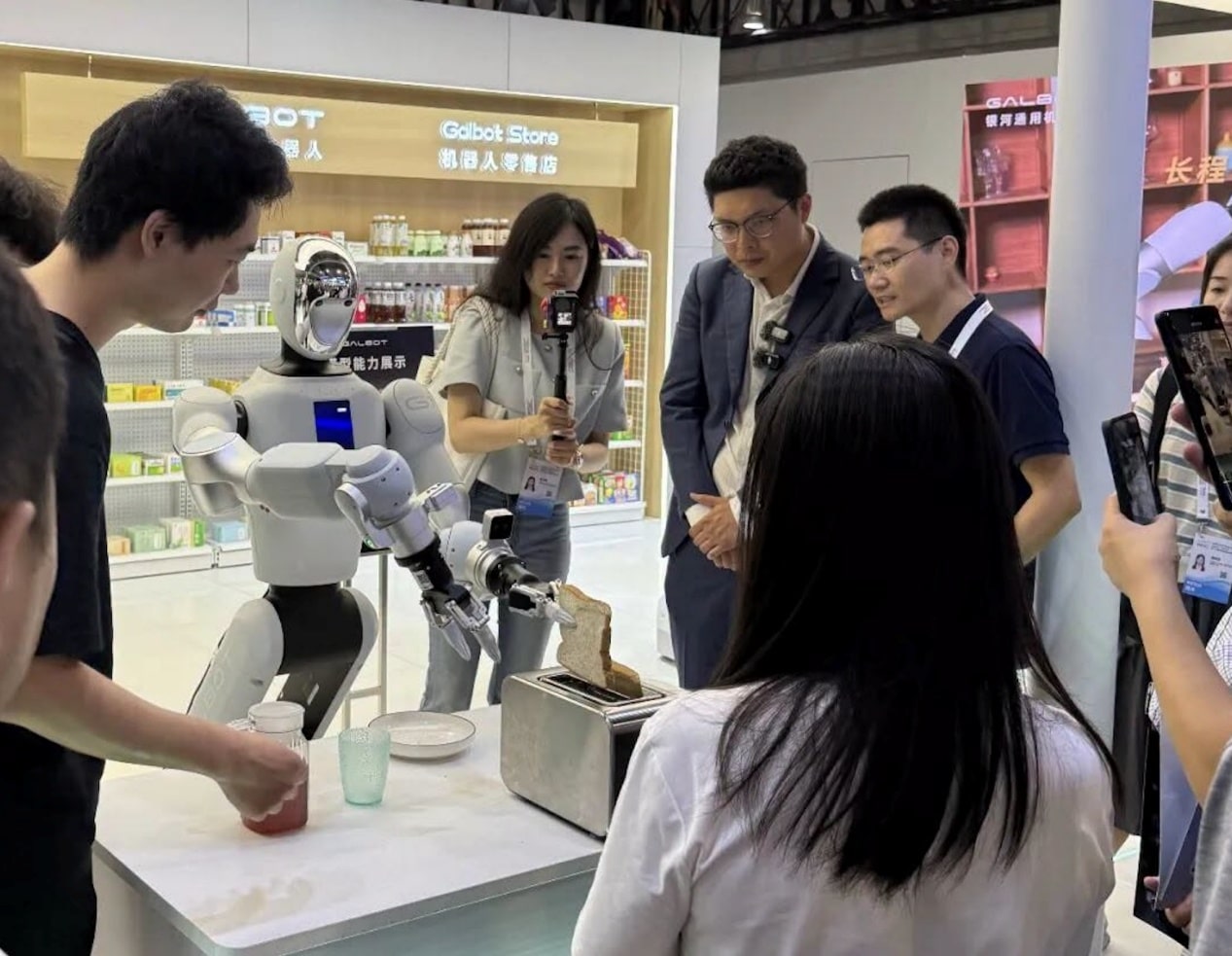
The label "Made in China," once familiar worldwide, is evolving significantly. For decades, it was often found on clothing, household furniture, and consumer electronics that became part of everyday life globally. Now, this label is expanding into green technologies such as new energy vehicles (NEVs), photovoltaic products, and lithium batteries, and emerging fields including robotics, artificial intelligence (AI), and innovative medicine. This industrial transformation reflects more than just an industrial upgrade. It signifies how China's industries have developed in tandem with changing social needs—from improving living standards with affordable household products to pursuing cleaner development through green technologies, and now using intelligent and medical innovations to make life more convenient, healthier, and fulfilling. Many of these innovations, matured through large-scale application in China, are also reaching global markets, offering new choices to consumers worldwide. From Better Living to a Cleaner Future The initial wave of Chinese products, including clothing, furniture, and consumer electronics, gained popularity for their affordability, improving quality, and efficient manufacturing, establishing China as the "world's factory." This success not only involved producing more goods but also led to integrated supply chains and the development of an industrial ecosystem, forming a crucial foundation for more advanced industries. However, rapid industrialization and urbanization also brought challenges such as increased energy demand and environmental pressures, including air pollution. This pushed China to pursue a cleaner and more sustainable development path, accelerating the growth of industries like NEVs, photovoltaic technology, and lithium batteries. China's EV Industry New energy vehicles represent one example of how industrial innovation has responded to both environmental challenges and people's daily needs. As more families sought convenient transportation, electric vehicles provided a cleaner alternative to traditional cars. According to the International Energy Agency, electric vehicles generally produce significantly lower lifecycle carbon emissions than conventional vehicles, although the exact reduction depends on factors such as electricity sources and driving conditions. Over the past decade, China has become one of the world’s largest markets for new energy vehicles. By the end of June this year, the number of new energy vehicles in China reached around 49 million, accounting for more than 13% of all vehicles in the country. Driven by large-scale domestic adoption, China’s EV industry has developed mature technological capabilities, allowing products and technologies initially developed for domestic needs to enter international markets. Photovoltaic technology represents another aspect of China’s green transformation. Beyond generating renewable energy, solar power projects have created new development opportunities for regions with abundant sunlight and large areas of previously underutilized land. In Xinjiang’s Tacheng Prefecture, for example, a photovoltaic project is being developed across about 2,000 hectares of the Gobi Desert. Expected to be completed in June next year, the project is designed to generate around 1.6 billion kilowatt-hours of clean electricity annually. The benefits extend beyond energy production. The project is expected to create more than 2,000 jobs for residents, while ecological restoration efforts are being carried out alongside the construction. These efforts are also expected to support future development opportunities, including tourism. The example shows how green industries can contribute not only to environmental goals, but also to local livelihoods. From Green Innovation to Intelligent Living China’s next industrial transformation is being shaped by another set of social changes. With an aging population and a changing workforce structure, demand is growing for technologies that can support daily life, improve efficiency, and provide better care. Robotics is one example. While industrial robots have already become widely used in manufacturing, household and elderly-care robots are emerging as a new area of development. Cleaning robots have become one of the most mature consumer applications in China, while researchers and companies are exploring how robots can provide assistance in the care of older generations. For many Chinese families, especially so-called “sandwich families” caring for both aging parents and children, intelligent assistants could help ease daily pressures. Elder-care robots are already being tested in nursing homes and care facilities, where they can assist with tasks such as monitoring basic health indicators. Researchers are continuing to explore how these technologies can be adapted for home environments and made easier for elderly users to operate. The same logic applies to artificial intelligence and innovative medicine. AI is increasingly being used to improve efficiency in areas such as healthcare, transportation and manufacturing, while advances in biotechnology are opening new possibilities for treating diseases and improving health outcomes. From clothing and household appliances that improved everyday living, to electric vehicles and photovoltaic technologies that support a greener future, and now to robots, artificial intelligence and medical innovation that aim to create smarter and healthier lives, China’s industrial transformation has followed a consistent path: developing solutions in response to changing needs. As these innovations continue to develop and scale in China, they are increasingly becoming part of a global story, bringing new possibilities to people beyond its borders. By Chen Ziqi, a reporter from CGTN
Original source
Chiang Rai Times