Marcos Jr. Demands End to Systems Loss Fees in Electricity Bills
Politics
2026年7月27日
5
Philstar Business

General articles are free for 24 hours after publish.

Marcos Jr. Demands End to Systems Loss Fees in Electricity Bills

Share
AI Summary

Philippine President Ferdinand Marcos Jr. has called for amendments to the Electric Power Industry Reform Act (EPIRA) to stop systems loss fees, including VAT, from being passed on to consumers. The call, aimed at easing the burden of high electricity costs on Filipino households, received a strong positive reaction.

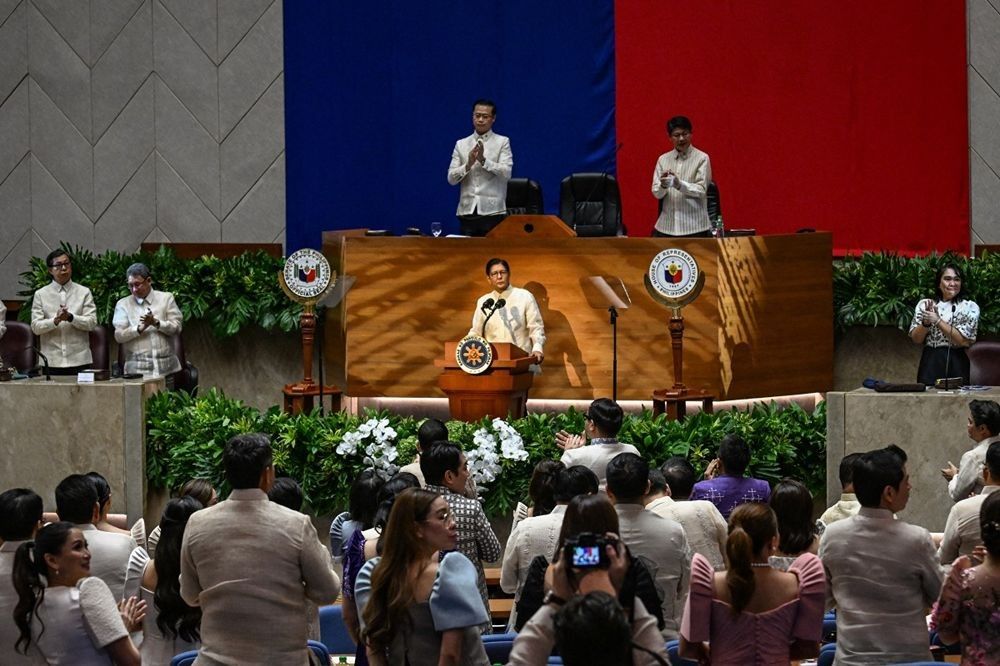
MANILA, Philippines — President Ferdinand Marcos Jr. has called for amendments to the Electric Power Industry Reform Act (EPIRA) to stop systems loss fees, including value-added tax (VAT), from being passed on to consumers. Marcos made the demand during his State of the Nation Address (SONA) on Monday, July 26, addressing the two chambers of Congress and a room of officials and diplomats. "It is not the consumer’s fault that systems loss happened. So it is not right that they are the ones made to pay for it," Marcos said. The line drew the loudest response of his address so far, with prolonged applause and some audience members rising from their seats. The call comes as Filipino households shoulder some of Southeast Asia’s highest electricity costs. Systems loss refers to the electricity that is lost in the transmission and distribution process, often due to aging infrastructure, pilferage, and technical inefficiencies. Historically, a portion of these losses has been passed on to consumers through system loss charges, which include VAT, adding to the economic burden of households. This move by President Marcos is seen as a significant step towards alleviating the financial strain on Filipino families struggling with high utility bills. The administration has pledged to prioritize economic growth and the welfare of its citizens. The proposed amendment to the EPIRA law aims to directly address a major point of contention for many households, potentially boosting consumer confidence and reducing inflationary pressures. However, the successful implementation of this policy will depend on the legislative process and the cooperation of various stakeholders in the power sector. Ensuring the reliability and affordability of electricity supply while phasing out these charges will be a key challenge for the government.

0

Original source

Philstar Business

原文を読む