Francophonie body urges Cambodia-Thailand dialogue, troop withdrawal
The Assemblée parlementaire de la Francophonie (APF) has adopted a resolution urging Cambodia and Thailand to de-escalate tensions and withdraw troops from disputed border areas. The resolution supports continued dialogue and a peaceful resolution based on international law.
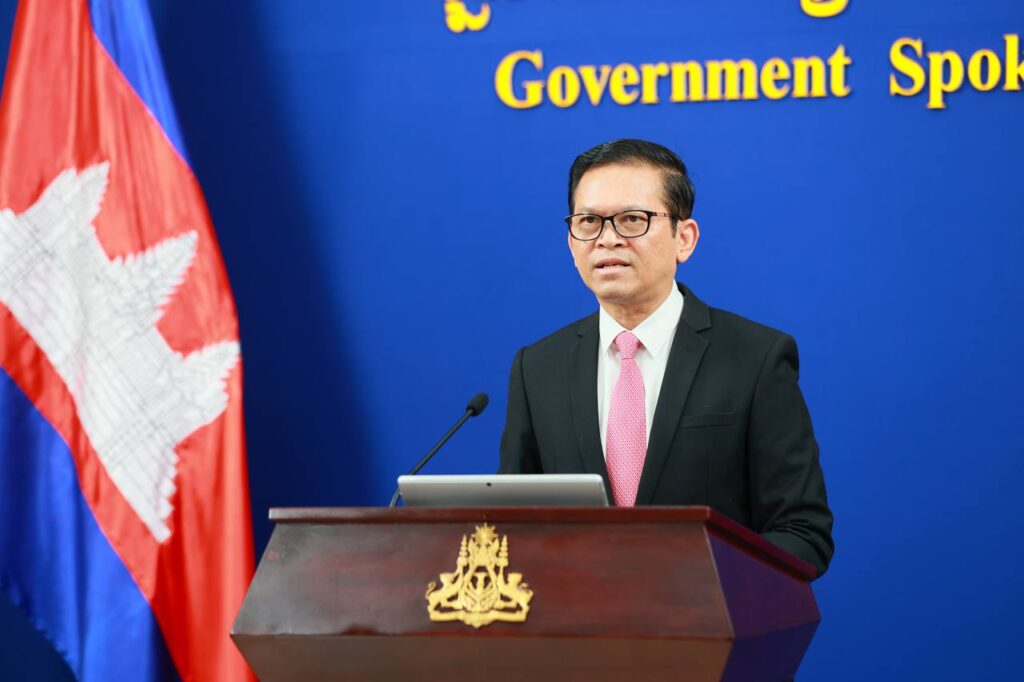
PHNOM PENH, July 13, 2026 (KPT) – Government spokesman Pen Bona said Monday the Assemblée parlementaire de la Francophonie (APF) has called for an immediate easing of tensions between Cambodia and Thailand, urging both sides to continue dialogue and withdraw armed forces from disputed border areas. He said the APF reaffirmed support for existing bilateral mechanisms, particularly the Joint Boundary Commission, and encouraged a peaceful resolution in line with international law. The resolution also backed the normalisation of relations between the two countries based on mutual respect for sovereignty, territorial integrity and the inviolability of borders. According to Bona, the APF urged both sides to avoid unilateral actions that could escalate tensions and supported full implementation of the ceasefire statement signed in Kuala Lumpur in October 2025. The assembly expressed deep regret over civilian suffering and warned that destruction of cultural heritage, described as the “common heritage of humanity,” would undermine prospects for lasting peace and reconciliation. The resolution was adopted on July 11 during the APF’s 51st annual session in Yaoundé, Cameroon, following a recommendation from its Political Committee. Bona said it reaffirmed the organisation’s commitment to the Bamako and Saint Boniface Declarations, international law and International Court of Justice rulings. Cambodian senator Ouch Borith, speaking on behalf of the Senate, National Assembly and people, thanked APF delegates for their support, describing the resolution as a message of solidarity among Francophone states and a reaffirmation of their commitment to peace, dialogue and the rule of law.
多角的分析
カンボジアとタイの国境紛争は、両国の貿易や投資に直接的な影響を与える可能性がある。特に、紛争地域周辺の物流が滞れば、サプライチェーンの寸断やコスト増を招き、経済活動の停滞につながりかねない。APFのような国際機関からの介入は、紛争の長期化を防ぎ、経済的な安定を維持するための重要な一歩となる。過去の同様の国境紛争では、経済活動の停滞が地域経済の低迷を招いた事例が多く見られる。
カンボジア・タイ間の国境問題は、投資家にとってリスク要因となり得る。紛争の激化や長期化は、現地の治安悪化やインフラへの影響を通じて、投資環境の不確実性を高める。APFによる対話と撤兵の呼びかけは、リスク軽減の兆候と捉えられるが、実際の情勢変化を注視する必要がある。過去の事例では、地政学的な不安定さが foreign direct investment(FDI)の減少に直結したケースがある。
国境紛争は、紛争地域に居住する住民の生活に直接的な影響を及ぼす。避難民の発生、生計手段の喪失、文化遺産の破壊などが懸念される。APF決議は、民間人の苦しみへの配慮を強調しており、これは紛争解決において人道的な側面が重視されていることを示唆している。過去の紛争地域では、住民の移動やコミュニティの分断が長期的な社会問題となった例がある。
国境紛争は、カンボジア国民の日常生活に不安をもたらす可能性がある。特に、国境付近に住む人々は、治安の悪化や移動の制限を直接経験する。APFのような国際的な呼びかけは、紛争の平和的解決への期待を高めるが、実際の緊張緩和には両国の政府の具体的な行動が不可欠である。SNS上では、国境情勢に対する懸念や平和への願いが表明されている。
背景・歴史的文脈
カンボジアとタイの国境紛争は、19世紀末のフランス植民地時代に引かれた境界線に起因する。特にプレア・ビヒア寺院周辺など、一部地域では領有権を巡る対立が断続的に発生してきた。2008年にはプレア・ビヒア寺院のユネスコ世界遺産登録を機に両国間で緊張が高まり、武力衝突も発生した。2011年の国際司法裁判所(ICJ)判決は、寺院周辺の領有権についてカンボジア寄りの判断を示したが、国境全体の確定には至っていない。今回のAPFの決議は、こうした歴史的経緯を踏まえ、国際法に基づいた平和的解決を促すものと言える。
原文ソース
Kampuchea Thmey English