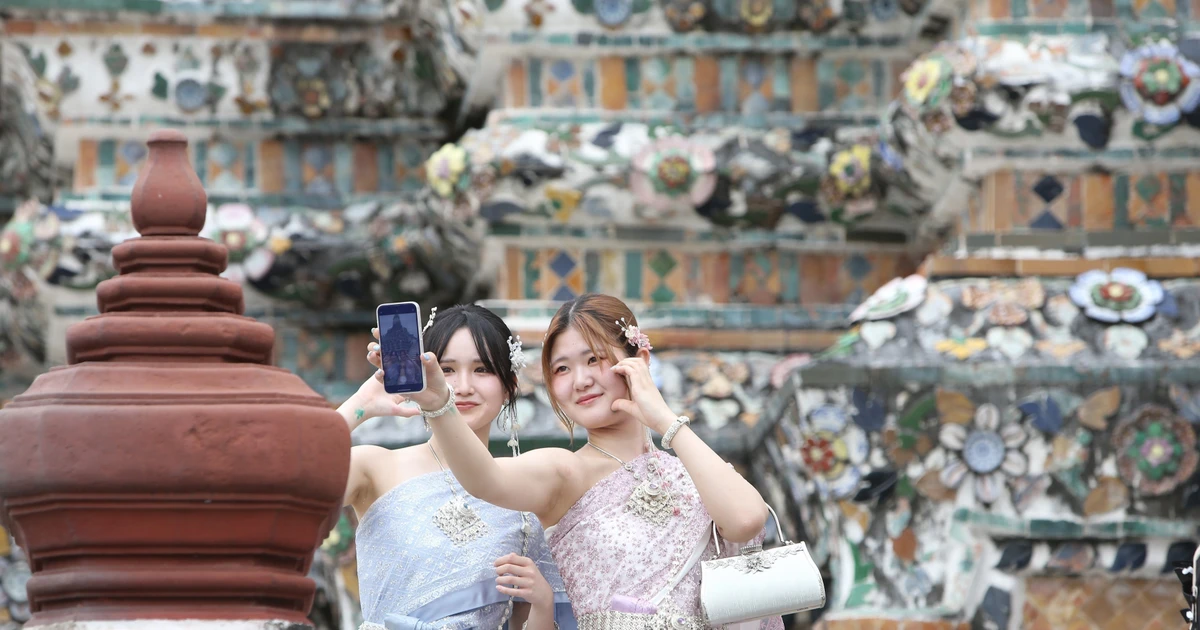
Vietnam to Revamp Tourism Strategy: Focus on Cultural and Specialty Products for High Value
Vietnam is set to implement a new strategy to attract high-value tourists by leveraging Geographical Indication (GI) products, regional cuisine, and cultural heritage as tourism assets. This aims to maximize tourism revenue and increase customer spending.
This article requires PRO
This article is outside the free access window or is a special report. PRO unlocks it and the full archive.
Related articles
- Vietnam's Tourism Sector Gains Momentum with International Accolades for Son Doong Cave and Phu Quoc
Vietnam's Son Doong Cave and Phu Quoc Island are receiving high praise from international travel magazines and media, providing a significant boost to the country's tourism ambitions. However, warnings about fake booking websites are also being issued.
- Phu Quoc Tops Prestigious Condé Nast Global Island Rankings
Vietnam's Phu Quoc Island has been recognized as Asia's top island in the prestigious Condé Nast global rankings. This achievement highlights the island's growing capacity to cater to the high-end MICE market and its diverse tourism offerings.
- Cao Bang Launches 160 Tourism Stimulus Packages for Year-End Travel
Northern Vietnam's Cao Bang province has unveiled 160 tourism promotion packages to boost year-end travel. The region, a UNESCO Global Geopark, aims to attract domestic and international visitors with its rich natural landscapes and cultural heritage.
- Hanoi to Unveil Beverage Tourism Map at 2026 Festival
Vietnam is set to enhance its tourism promotion by unveiling a beverage tourism map at a 2026 festival. Amidst the growing importance of the Chinese market, Hanoi and Phu Quoc Island are leveraging culinary culture and digital technologies to attract visitors. The inclusion of Michelin Guide inspectors is also expected to boost regional brand value.