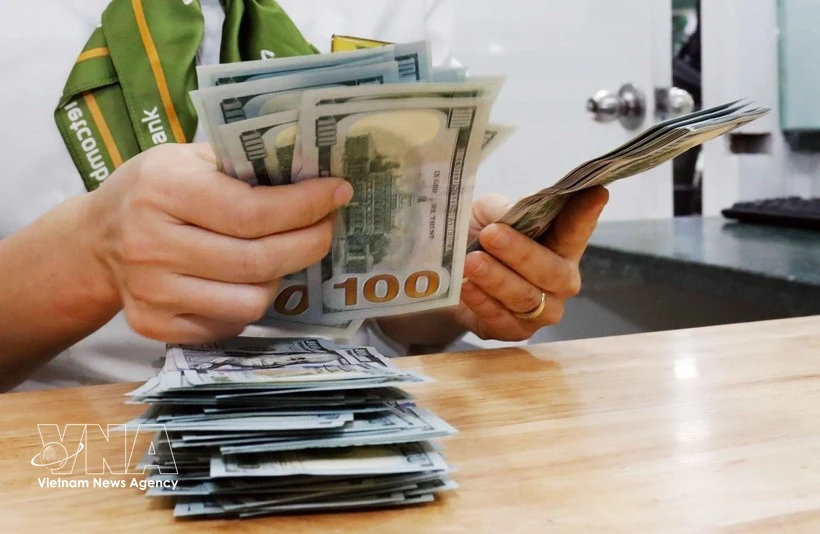
Remittances to Ho Chi Minh City Down 23% in H1, Raising Economic Concerns
Economy
2026年7月23日
5
VietnamPlus English

General articles are free for 24 hours after publish.

Remittances to Ho Chi Minh City Down 23% in H1, Raising Economic Concerns

Share
AI Summary

Remittances to Ho Chi Minh City, Vietnam, have decreased by 23% year-on-year in the first half of the year. This decline could impact the city's economic mobilization targets and raises concerns about the reduction in foreign currency inflows, which are crucial for economic stability.

Remittances transferred to Ho Chi Minh City, Vietnam's economic hub, have seen a significant decline of 23% year-on-year in the first half of this year, according to data from the State Bank of Vietnam (SBV)'s Region 2 branch. From January to March, remittances channeled through credit institutions and economic organizations in the city exceeded US$2 billion, marking a 15.6% decrease from the previous quarter and a 16.9% drop compared to the same period last year. This downward trend continued into the second quarter, resulting in a substantial 23% reduction for the first half of the year. Ho Chi Minh City aims to mobilize at least VND 500 billion from remittances and social resources by 2026, while supporting over 100 enterprises in accessing preferential credit. By 2027, the target is to reach at least VND 1 trillion, with the number of supported firms doubling, including at least 30% of projects focused on green technology, energy efficiency, and emissions reduction. The current decline in remittances poses a challenge to achieving these ambitious goals. Vietnam consistently ranks among the world's top 10 remittance-receiving countries. In 2024, total remittances reached approximately US$16 billion, equivalent to nearly 4% of the country's GDP. In a volatile global financial environment, these inflows have served as a crucial economic buffer, contributing to stability. The decline in remittances is likely influenced by a combination of factors, including global inflationary pressures, economic slowdowns in some host countries, and changes in the circumstances of Vietnamese workers abroad. In Vietnam's one-party system, maintaining economic growth and ensuring public welfare are paramount government objectives, and remittances are a vital source of income, particularly for regional economies and urban households. This reduction in remittances raises new questions about the resilience of the Vietnamese economy. While the government is implementing a broad range of measures to strengthen export growth, including leveraging free trade agreements (FTAs), streamlining administrative procedures, reducing logistics costs, and improving access to credit, monitoring remittance inflows remains critical for domestic economic stability. Source: VietnamPlus English

0

Original source

VietnamPlus English

原文を読む