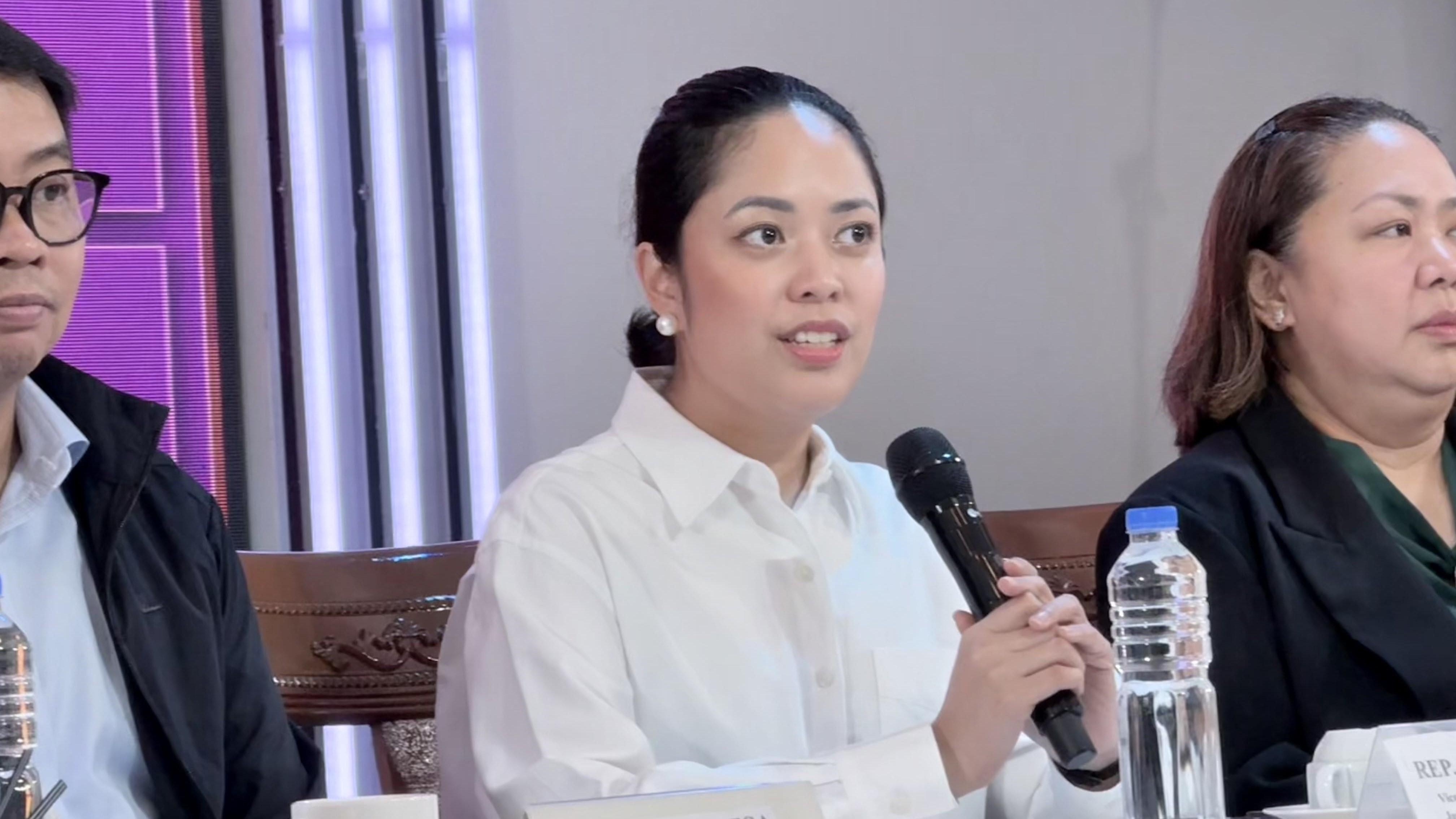
House Prosecutor Expects Sara Duterte Impeachment Vote Threshold to Reach Supreme Court
A House prosecutor anticipates that the issue surrounding the voting threshold in Vice President Sara Duterte's impeachment trial will eventually reach the Supreme Court. While the prosecution won't initiate the move, they expect an interested citizen to seek judicial clarification.
House prosecutor and San Juan Representative Belle Zamora on Monday said she expects the issue surrounding the voting threshold in Vice President Sara Duterte’s impeachment trial to eventually be brought before the Supreme Court, although the prosecution will not initiate the move. “Yes, I need someone who will bring it up sa Supreme Court. Hintayin na lang natin (Let’s just wait),” Zamora said. Asked if the House prosecution panel would file the petition, the lawmaker said they are focused on presenting their case before the Senate impeachment court. “Not us. We are very busy presenting the evidence," she noted. She also said there is no need for anyone to seek the prosecution panel’s approval before elevating the issue to the High Court. “Hindi kailangan may basbas namin for someone to bring it up sa Supreme Court. After all, sinabi na ni Presiding Officer Chiz Escudero that the threshold is 16. And, well, the parties or anyone has the option to avail of legal remedies.” (No one needs our approval to bring it before the Supreme Court. After all, Presiding Officer Chiz Escudero has already said the threshold is 16. The parties—or anyone—have the option to avail themselves of legal remedies.) Zamora added that resolving the issue early would help avoid uncertainty before the Senate votes on the impeachment case. “Well, the issue is ripe for adjudication already dahil we have to settle it once and for all para malaman natin because eventually, mabobotohan na din.” (The issue is already ripe for adjudication because we have to settle it once and for all, since eventually there will be a vote.) She further noted that the Constitution does not specifically mention the number 16 as the required votes for conviction. “Yes, 16 is not mentioned anywhere in the Constitution. What we have is just two-thirds of all members of the Senate. So, the fact that two-thirds was used means that it is…” she said. When asked if anyone had informed the prosecution that a petition would indeed be filed before the Supreme Court, Zamora said they had no information. “Wala kaming idea. So for us, it is 16, and we don’t know who will file or if anyone will file,” she said. (We have no idea. For us, it is 16, and we don’t know who will file or whether anyone will file.) Still, she said the prosecution expects that an interested citizen may eventually seek judicial clarification. “We’re just assuming that some citizen will file it, just because everyone, of course, is interested in the result of this,” she further said. Despite the possibility of a Supreme Court case, Zamora said the prosecution would respect the Senate impeachment court’s authority. “No, we should not question the impeachment court. Of course, like I said, as prosecutors, we are officers of the court, and we will abide by what the presiding officer of the impeachment court says," she added. Earlier, Senate impeachment court Presiding Officer Francis “Chiz” Escudero said that 16 votes are needed for conviction, while some legal experts have argued that the issue may ultimately require clarification from the Supreme Court. —AOL, GMA News
多角的分析
弾劾裁判の長期化や不確実性は、フィリピン経済の安定性に対する投資家の信頼を損なう可能性がある。政治的リスクの高まりは、国内および海外からの直接投資を抑制し、為替レートの変動や株価の下落を引き起こす要因となりうる。特に、副大統領という要職にある人物の弾劾は、経済政策の継続性や政府の実行能力に対する懸念を生じさせ、経済成長見通しに影を落とすことが考えられる。
投資家は、政治的リスクの増大を注視している。弾劾裁判の行方、特に採決基準を巡る最高裁への持ち込みは、法的な不確実性を高め、投資判断を難しくさせる。政治的安定性の欠如は、フィリピン市場への新規投資を躊躇させ、既存投資家にとってはポートフォリオの見直しを迫る可能性がある。特に、政府の政策決定プロセスに影響を与えうる政治的混乱は、長期的な事業計画に悪影響を及ぼすリスクとなる。
弾劾裁判の過程は、国民の政治への関心を高める一方で、社会的な分断を深める可能性もある。採決基準の解釈を巡る議論は、法の支配や司法の独立性に対する国民の信頼に影響を与える。また、裁判の長期化は、国民の税金が政治的な駆け引きに費やされているとの批判を生み、公共サービスへの投資不足を招くとの懸念も生じうる。副大統領という国民の代表者に対する裁判は、広く関心を集め、様々な意見がSNSなどを通じて表明されるだろう。
市民の立場からは、弾劾裁判の採決基準が曖昧であること、そしてそれが最高裁に持ち込まれる可能性は、政治プロセスの不透明さに対する懸念を抱かせる。市民は、自らの代表者がどのように意思決定を行っているのか、そしてその決定が法的にどのように正当化されるのかを知る権利がある。採決基準の明確化は、国民が政治プロセスを理解し、信頼を寄せるために不可欠である。裁判の長期化は、国民生活に直接影響を与える経済や社会問題への対応が遅れることへの不満につながる可能性もある。
背景・歴史的文脈
フィリピンの弾劾制度は、大統領や副大統領などの高官に対する国民の信頼を維持するための重要なメカニズムである。しかし、その運用においては、過去にも採決基準や手続きを巡る議論が提起されてきた。特に、憲法に明記されていない事項については、上院の判断や、最終的には最高裁の解釈に委ねられることが多い。今回のサラ・ドゥテルテ副大統領の弾劾裁判における採決基準問題は、過去の事例と同様に、制度の解釈と運用における潜在的な対立点を浮き彫りにしている。これは、フィリピンにおける権力分立と司法の役割に関する継続的な議論の一部と言える。
原文ソース
GMA News Philippines