Aeta Indigenous Community Demands Accountability Over Open Dump in Ancestral Domain
Society
2026年7月15日
5
Inquirer NewsInfo

Aeta Indigenous Community Demands Accountability Over Open Dump in Ancestral Domain

AI サマリー

The Aeta indigenous community in Subic, Zambales, Philippines, is demanding accountability from government authorities regarding an illegal open dump in their ancestral domain, citing delays in official response and action.

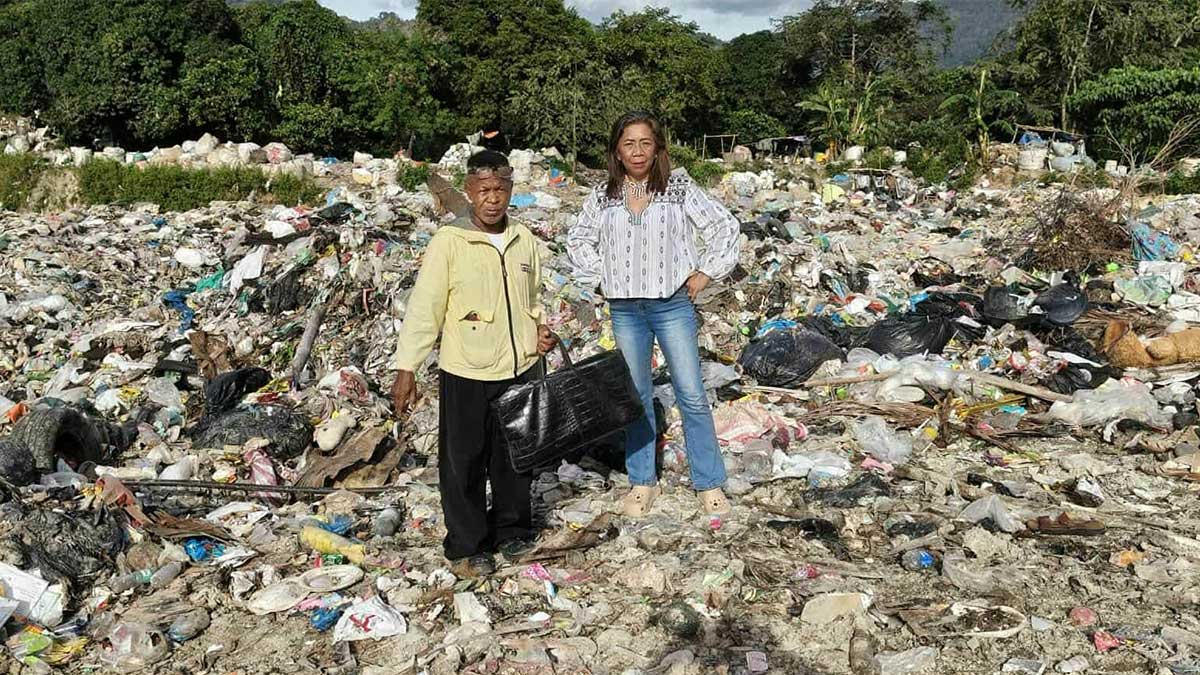
SUBIC, ZAMBALES, Philippines — The Aeta indigenous community in this province is demanding accountability from government authorities over the prolonged operation of an alleged illegal open dump within their ancestral domain, questioning the delayed response and action from officials. Community leaders are raising concerns about why the dump was allowed to operate for years despite earlier complaints and whether any officials will be held accountable for the perceived negligence. Evangeline Rodriguez, an Aeta leader and national chair of Alyansa ng Katutubong Kababaihan ng Pilipinas Inc. (Alikkap), formally raised the issue last year with the Department of Environment and Natural Resources-Environmental Management Bureau (DENR-EMB), the Subic municipal government, and the National Commission on Indigenous Peoples (NCIP). Rodriguez stated that the NCIP informed her that they could do little because the mayor had allegedly refused to meet with the agency. "If the mayor refuses to face them, is there nothing they can do? They were clearly negligent, and that's why this happened," Rodriguez told the Inquirer. She also questioned the EMB's alleged inaction despite reportedly knowing about the dump's existence as early as 2022. "If they already knew about it, why didn’t they do anything? Why was it only closed in 2025? What were they doing from 2022 to 2025?" Rodriguez asked. The DENR-EMB in Central Luzon confirmed that it had ordered the closure of the open dump and is assisting the local government in rehabilitating the area. The agency issued a cease-and-desist order on March 16 against the local government-operated open dump after determining it was operating in violation of environmental laws. However, Rodriguez emphasized that rehabilitation alone is insufficient. She called for an investigation into who allowed the dump to operate and for compensation for affected indigenous communities whose livelihoods and environment were allegedly damaged. Kelly Arizala, chair of the Naugsol Aeta Farmers Association, reported severe impacts, with about 100 Aeta families dependent on farming abandoning farmland due to the dump. Farming has stopped, and residents have moved to steeper terrain. Community water sources have also been affected. While dumping activities have ceased and garbage is being removed as part of rehabilitation, residents remain uncertain about the future. The Aeta leaders are urging for a thorough investigation into the dump's prolonged operation, including potential lapses by government agencies, and for affected communities to be fully consulted on the rehabilitation and restoration of their livelihoods. Local officials have declined to comment, stating they are awaiting the DENR's assessment. INQ

多角的分析

経済的影響

この問題は、地域経済における環境規制の執行能力と、それが地域住民の生計に与える影響を示唆している。不法投棄場の存在は、土地の汚染を通じて農業や水資源に直接的な損害を与え、地域経済の基盤を弱体化させる。また、環境問題への対応の遅れは、潜在的な投資家や地域経済の持続可能性に対する信頼を損なう可能性がある。フィリピンでは、地方自治体レベルでの環境管理能力にばらつきがあり、これがこのような問題を引き起こす一因となっている。

投資家心理

投資家にとって、このニュースはフィリピンにおける環境規制の執行とガバナンスの課題を浮き彫りにする。不法投棄場の長期にわたる運営と、それに対する当局の対応の遅れは、法治国家としての信頼性や、環境・社会・ガバナンス(ESG)基準へのコミットメントに疑問を投げかける。特に、先住民の権利や土地利用に関わる問題は、サプライチェーンのリスク管理や、地域社会との関係構築において、企業にとって潜在的な障害となり得る。

社会的影響

アエタ先住民コミュニティは、祖先の土地における環境汚染という深刻な問題に直面している。不法投棄場は、彼らの伝統的な生計手段である農業や、生活に不可欠な水資源を汚染し、健康へのリスクも懸念される。コミュニティのリーダーたちは、当局の対応の遅れと説明責任の欠如に不満を募らせており、彼らの権利と生活の回復が求められている。これは、フィリピンにおける先住民の土地権と環境保護の課題を象徴する事例である。

市民の声

フィリピン国民、特に地方に住む市民にとって、このニュースは、環境保護と地方自治体の責任という、身近な問題への関心を高める。アエタ先住民が経験しているような、土地の汚染や生計手段への影響は、他の地域でも起こりうる問題であり、市民は政府の監督と法執行の強化を求めるだろう。また、先住民コミュニティが直面する困難は、社会全体の包容性と公平性についての議論を促す可能性がある。

背景・歴史的文脈

フィリピンでは、先住民の土地権保護と環境保全は、長年にわたる課題である。特に、先住民の祖先の土地(Ancestral Domain)は、彼らの文化や生活の基盤であり、法律によって保護されている。しかし、開発や資源利用の名の下に、これらの土地が脅かされる事例が後を絶たない。今回のオープン・ダンプ問題は、地方自治体の環境規制執行能力の不足、先住民国民委員会(NCIP)などの保護機関の機能不全、そして地域住民の権利意識の低さが複合的に影響し、問題の長期化を招いたと考えられる。過去にも、同様の環境汚染や土地利用を巡る紛争が、先住民コミュニティと開発業者、あるいは地方政府との間で発生している。

原文ソース

Inquirer NewsInfo

原文を読む
Aeta Indigenous Community Demands Accountability Over Open Dump in Ancestral Domain | NEWS-BRAIN