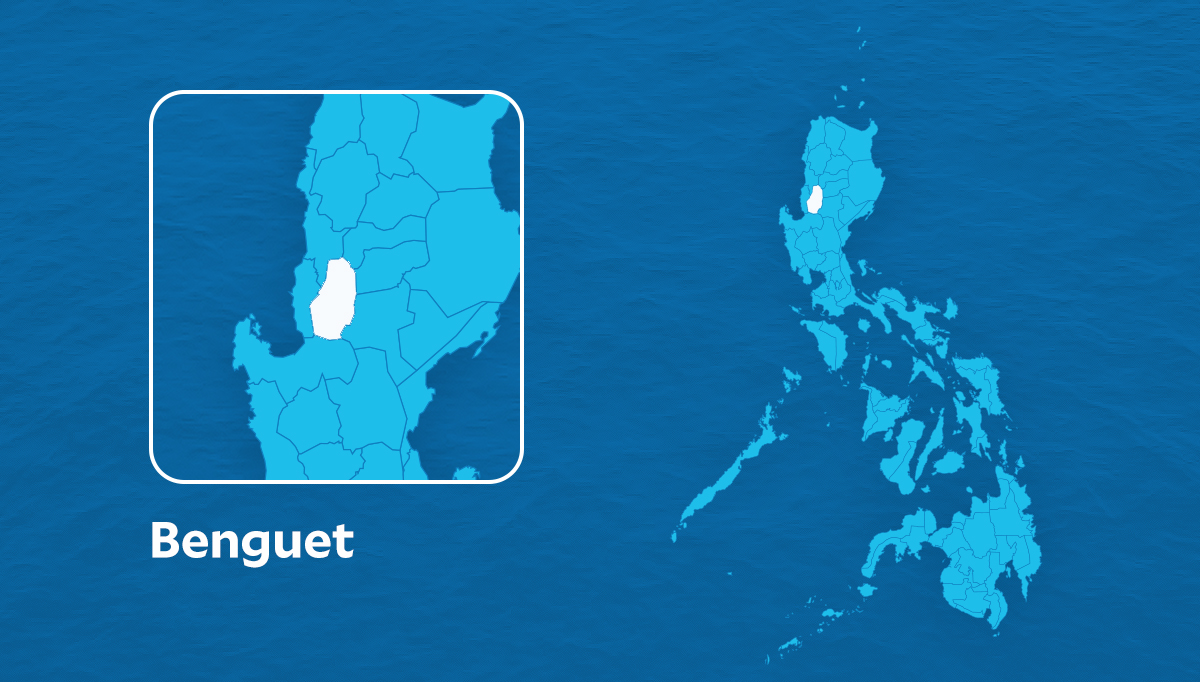
Benguet Court Halts Anti-Mining Roadblocks
Infrastructure
2026年7月11日
5
Inquirer NewsInfo

Benguet Court Halts Anti-Mining Roadblocks

AI サマリー

A regional trial court in Benguet, Philippines, has issued a 72-hour temporary restraining order against residents blocking roads to a mining exploration project. The company asserts its operations are lawful, while residents protest alleged violations of Indigenous rights.

MANKAYAN, Benguet — A Benguet regional trial court (RTC) has ordered residents opposing a mining exploration project in this town to stop blocking access roads leading to the drilling sites of Crescent Mining and Development Corporation (CMDC), while the company maintained that its exploration activities are lawful and fully permitted. Presiding Judge Daniel Dazon Mangallay of RTC in Abatan, Buguias, on Friday, issued a 72-hour temporary restraining order (TRO) directing protesters to cease obstructing the company’s exploration operations. The court granted the TRO after CMDC filed a complaint for injunction with damages, arguing that the community barricades had caused “grave injustice and irreparable injury” by preventing drilling equipment and personnel from reaching the exploration sites. The respondents named in the order include Bulalacao Barangay Captain Satur Lostbayan Anton, Indigenous Peoples Mandatory Representative Marlo Pablo, Gary Dulag Sr., Aldrin Dominguez, Glenn Inciong, Wilbur Labi, Noel Labi, Irma Pangsil, Efren Camsol, and several unidentified individuals. The court ordered the respondents and anyone acting on their behalf to stop preventing CMDC, its officers, employees, and contractors from accessing the project site and conducting drilling activities. It also authorized the acting sheriff to seek assistance from law enforcement agencies to enforce the order, if necessary. A summary hearing has been scheduled on July 13 to determine whether the TRO should be converted into a preliminary injunction. The dispute stems from months of barricades mounted by residents and students from the villages of Bulalacao and Guinaoang, who oppose the company’s exploration project over concerns about its potential impact on ancestral lands, water sources, and agricultural livelihoods. Opposition intensified after the government renewed CMDC’s 25-year Mineral Production Sharing Agreement (MPSA) in 2022. Residents argued that the renewal proceeded without obtaining the required Free, Prior and Informed Consent (FPIC) from affected Indigenous communities. Mining opponents have also questioned the validity of government approvals for the project, alleging that they bypassed the genuine consent of directly affected villages. In a statement released Friday, the No Mines Movement of Guinaoang and Bulalacao (NM-MGB) condemned the TRO, calling it a “strategic lawsuit against public participation” (SLAPP) intended to dismantle the community’s peaceful barricade. The group also questioned the legality of the project’s permits, alleging that the MPSA renewal was granted despite the absence of a valid Certification Precondition from the National Commission on Indigenous Peoples (NCIP). NM-MGB maintained that residents of Bulalacao and Guinaoang had rejected the project during the FPIC process and vowed to continue defending their ancestral lands through peaceful means. CMDC, however, said the TRO “addresses only the physical blocking of lawful, permitted operations” and “does not restrict anyone’s right to speak, assemble, petition or oppose this project.” The company said it sought court intervention solely to remove physical obstructions to its exploration work, not to silence critics. CMDC added that its exploration program had been approved by the Mines and Geosciences Bureau and that the NCIP had issued a Certification Precondition after the recognized representatives of the ancestral domain signed a Memorandum of Agreement with the company. The company acknowledged that some residents have legitimate concerns over the project’s possible effects on farmland, water resources, and livelihoods, and said it remains committed to pursuing a peaceful resolution that upholds both the rule of law and the rights of Indigenous communities.

多角的分析

経済的影響

鉱山開発プロジェクトにおける地域住民の反対は、フィリピン経済における天然資源開発のジレンマを浮き彫りにしている。CMDCのような企業は、探査活動の合法性と経済的利益を主張するが、住民は環境破壊や生計への影響を懸念している。このような対立は、直接的な経済損失(操業遅延、訴訟費用)だけでなく、長期的な投資リスクとしても作用しうる。フィリピン政府は、経済成長のために鉱業を推進する一方で、先住民の権利保護と環境保全のバランスを取るという難しい課題に直面している。過去には、鉱山開発による環境汚染や地域社会との紛争が、経済的機会の創出よりも大きな社会・経済的コストを生んだ事例も存在する。

投資家心理

この事件は、フィリピンの鉱業セクターへの投資におけるリスク要因を示唆している。CMDCに対する住民の反対とそれに伴う法的措置は、プロジェクトの実行可能性と収益性に直接的な影響を与える可能性がある。特に、先住民の同意(FPIC)や政府の許認可プロセスにおける透明性や公平性への懸念は、投資家にとって重要なデューデリジェンス項目となる。過去の類似事例では、地域社会との紛争がプロジェクトの遅延や中止につながり、投資回収を困難にしたケースがある。投資家は、法規制の遵守だけでなく、地域社会との良好な関係構築が、プロジェクトの持続可能性に不可欠であることを認識する必要がある。

社会的影響

ベンゲット州のこの紛争は、フィリピンの先住民コミュニティが直面する土地権と開発権の間の緊張関係を象徴している。ブララカオとギナオアンの住民、特に学生たちは、自分たちの祖先の土地、水源、そして農業に基づく生計が、鉱山探査によって脅かされることを恐れている。彼らが主張する自由・事前・情報に基づく同意(FPIC)の欠如は、開発プロジェクトにおける先住民の意思決定への参加権がしばしば軽視されている現実を示唆している。この状況は、開発の恩恵が一部の企業や政府に集中し、地域社会、特に最も脆弱な先住民コミュニティがその代償を負うという、フィリピン社会における構造的な不平等を浮き彫りにしている。

市民の声

この裁判所の命令は、ベンゲット州の住民、特にブララカオとギナオアンの村の人々にとって、自分たちの声が聞き入れられないという不安を増幅させるだろう。彼らは、自分たちの生活基盤である土地や水を守るために平和的な手段で抵抗してきたが、今回の命令は、その抵抗の権利さえも制限するものだと感じているかもしれない。特に、FPICプロセスにおける同意の欠如を訴える住民にとって、法的手続きが自分たちの権利を保護するどころか、開発業者を利するものだと映る可能性がある。これは、開発プロジェクトに対する住民の不信感を高め、将来的な対立をさらに深める要因となりうる。

背景・歴史的文脈

フィリピンにおける鉱山開発と先住民コミュニティの対立は、長年にわたる構造的な問題である。1995年に制定された鉱物工業近代化法(Republic Act No. 7942)は、外国資本による鉱業への参加を拡大し、経済成長を促進する一方で、土地権や環境への影響に関する懸念を引き起こした。特に、先住民コミュニティの権利を保護するための自由・事前・情報に基づく同意(FPIC)の取得は、しばしば形式的なものとなり、真の合意形成に至らないケースが報告されている。2022年にCMDCのMPSAが更新されたことは、こうした既存の法的枠組みと、先住民コミュニティの権利主張との間の緊張関係を再燃させた。

原文ソース

Inquirer NewsInfo

原文を読む