Foreigners in Vietnam Call for Respect for Local Culture
Culture
2026年7月3日
7
VnExpress

Foreigners in Vietnam Call for Respect for Local Culture

AI サマリー

Long-term foreign residents in Vietnam are urging for respect for local culture amidst instances of intoxication and disruptive behavior by some foreigners. Concerns are raised that Vietnam's hospitality is being misunderstood and exploited.

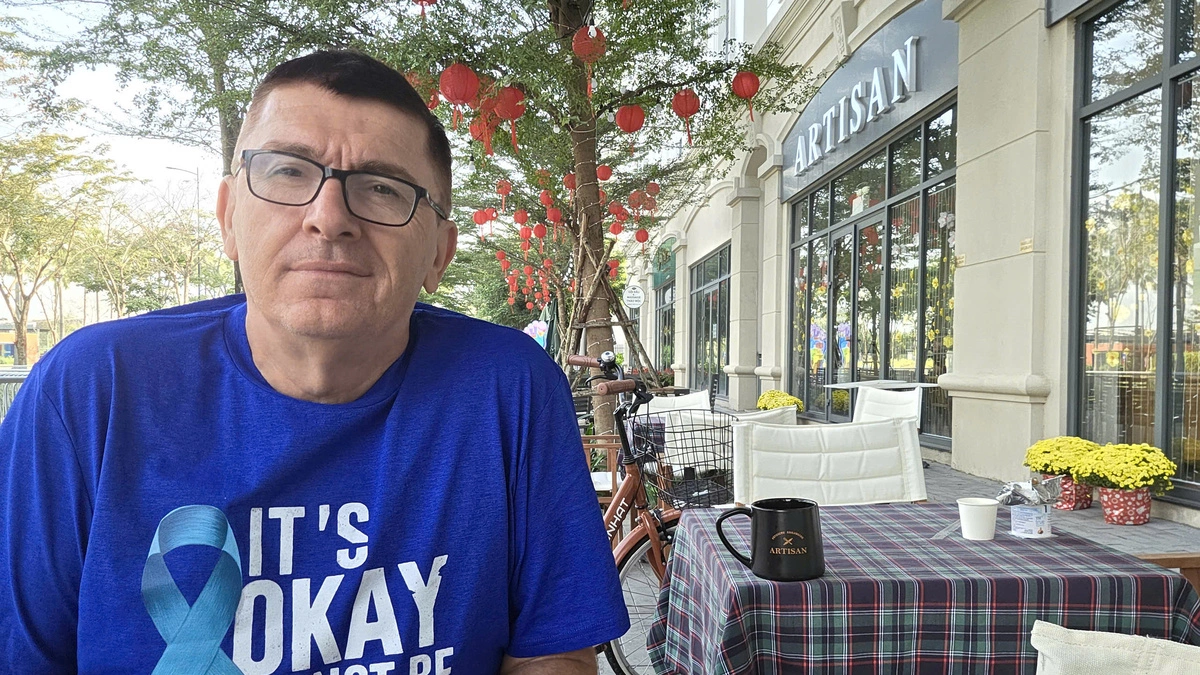
Long-term foreign residents in Vietnam are calling for greater respect for local culture, citing instances of intoxication and disruptive behavior by some expatriates. Ray Kuschert, a 59-year-old Australian English teacher in Ho Chi Minh City, expressed anger and shame after witnessing a group of foreigners, appearing drunk and out of control, fighting on the sidewalk of Bui Vien Street at 4 AM. Kuschert listed several recent "scandals," including a young man from Perth, Australia, damaging property at a cafe in Da Nang in late May. Before that, two Samoan men opened fire in a Ho Chi Minh City restaurant, resulting in one death. Most recently, on July 1, an Indian couple damaged property and clashed with staff after being reminded about their children throwing paper napkins and dishes. Having lived in Vietnam for 13 years, Kuschert attributes his extended stay to the Vietnamese people's hospitality. He recalls being invited into homes for shelter from rain and offered coffee and beer by strangers during his cycling trips through rural areas. He observes that Vietnamese people are always ready to welcome foreigners and are open to cultural differences. Surveys like InterNations' Expat Insider, which polled over 12,000 people from 177 nationalities, consistently rank Vietnam among the most welcoming countries globally. Approximately 84% of foreigners surveyed describe Vietnamese people as friendly, significantly above the global average of 66%. An overwhelming 83% feel welcomed living in Vietnam. "However, Vietnam's friendly culture is misunderstood and exploited by a segment of foreigners," Kuschert stated. He identified "expat bubbles," or insular communities, in areas like Thao Dien in An Khanh ward, as contributing factors. These enclaves can lead to a disconnect from local life, resulting in excessive drinking and altercations with service staff. "I've stopped going to these places because I'm tired of witnessing such behavior," he said. Kuschert believes that the low-cost tourism model, characterized by cheap flights, accommodation, and drinks, partly explains why some tourists choose Vietnam for its affordability rather than for cultural exploration. A second reason, he suggests, is the Vietnamese tendency towards "dĩ hòa vi quý" (harmony is precious), where locals often ignore or avoid conflict to prevent escalation. This contrasts with Australia, where people are more likely to confront bothersome public behavior directly from the outset. The issue of "ugly foreigners" has become a focal point in discussions on expat forums in Hanoi, Da Nang, and Ho Chi Minh City, and has spread to TikTok with videos garnering millions of views. One community forum post attracted over 500 comments, largely condemning the lack of etiquette and disrespect for local regulations and culture. Nathan, a 33-year-old British national living in Ho Chi Minh City for seven years, has noticed an increase in discussions about cultural conduct around 2026, including the controversy over wearing bikinis with the traditional Ao Dai in Hoi An and Da Nang. He worries that the misbehavior of a few tourists could create negative stereotypes for the entire community. "If I saw an Englishman doing something similar, I would be embarrassed because people might think Englishmen are troublemakers," Nathan said. According to Nathan, the root of these non-conformist behaviors stems from a lack of awareness. Many individuals do not research local regulations before traveling. He cited the example of being topless, which may be acceptable in the UK but is inappropriate in public spaces in Vietnam. Nathan mentioned he has reminded his family about modest dress codes before their planned visit to Vietnam in October. "Tourists don't need to study the culture academically, but they need to have basic awareness and respect for those around them," he emphasized. Source: VnExpress

多角的分析

経済的影響

ベトナムの観光産業は、近年目覚ましい成長を遂げており、外国人観光客の増加は外貨獲得や雇用創出に大きく貢献している。しかし、本件で指摘されているような一部の外国人による不適切な行動は、ベトナムの観光イメージを損ない、長期的な経済的恩恵に悪影響を与える可能性がある。特に、安価な旅行を目的とする層の増加は、質の低い観光客を呼び込みやすく、文化的な摩擦を生むリスクを高める。ベトナム政府は、観光客の増加による経済効果を享受しつつも、観光客の質を向上させ、文化的な調和を保つための施策を検討する必要に迫られていると言える。例えば、観光客への啓発活動の強化や、マナー違反に対する毅然とした対応などが考えられる。

投資家心理

ベトナムの観光セクターは、外国人投資家にとって魅力的な投資対象であり続けている。しかし、本件のようなネガティブなニュースは、ベトナムの観光地としての評判に一時的な影響を与える可能性がある。特に、ホスピタリティ産業や関連サービス業への投資を検討している投資家は、現地の文化や社会規範に対する理解を深める必要に迫られるだろう。また、外国人居住者や短期滞在者の行動が、地域社会との摩擦を生む可能性も考慮に入れるべきである。投資家は、単に経済成長率だけでなく、社会的な安定性や文化的な受容性といった要素も、ベトナムへの投資判断においてより重視する必要があるかもしれない。

社会的影響

ベトナム社会は、外国人に対して一般的に寛容で友好的であるとされるが、本件は外国人居住者と地域社会との間の潜在的な摩擦を示唆している。特に、外国人コミュニティが集中するエリアでは、地元住民との交流が少なくなり、「エクスパット・バブル」が形成されることで、文化的な誤解や摩擦が生じやすくなる。また、ベトナム人が対立を避ける傾向にある「dĩ hòa vi quý」の文化が、不適切な行動に対する早期の介入を難しくしている側面もある。これは、外国人居住者だけでなく、ベトナム国民にとっても、異文化理解と共生のための新たな課題を提起していると言える。外国人観光客の増加に伴い、ベトナム社会全体で、異文化理解を促進し、相互尊重の精神を育むための努力が求められている。

市民の声

ベトナム国民は、外国人に対して親切で歓迎的であるという評判があるが、一部の外国人の無責任な行動は、国民の感情を害し、外国人全体に対する見方を悪化させる可能性がある。特に、レイ・クシュカート氏やネイサン氏のような、ベトナムに長年住み、文化を理解しようと努めている外国人たちが懸念を示していることは、問題の根深さを示唆している。国民は、外国人観光客の増加による経済的恩恵と、文化的な摩擦や社会的な影響とのバランスをどのように取るべきか、という課題に直面している。外国人居住者や観光客には、ベトナムの文化や習慣を尊重し、責任ある行動をとることが期待されている。

背景・歴史的文脈

ベトナムは、ドイモイ政策以降、経済開放を進め、多くの外国人観光客や居住者を受け入れてきた。特に近年、手頃な価格と豊かな文化、親しみやすい国民性から、外国人にとって魅力的なデスティネーションとなっている。しかし、外国人人口の増加に伴い、文化的な摩擦や社会規範の相違に起因する問題も散見されるようになった。過去には、外国人による薬物犯罪や暴力事件などが報じられており、社会的な課題として認識されつつあった。本件は、こうした背景の中で、ベトナムに住む外国人自身が、自らのコミュニティの行動規範と、受け入れ社会との調和について問題提起した点が特徴的である。

原文ソース

VnExpress

原文を読む