Vietnam Faces Skilled Labour Shortage Amid Export Order Recovery
Economy
2026年7月10日
5
VietnamPlus English

Vietnam Faces Skilled Labour Shortage Amid Export Order Recovery

AI サマリー

As Vietnam's economy rebounds with recovering export orders, a shift from mere worker quantity to a shortage of skilled labour meeting development needs has emerged. The government aims for sustainable growth through workforce quality enhancement and deeper integration with domestic industries.

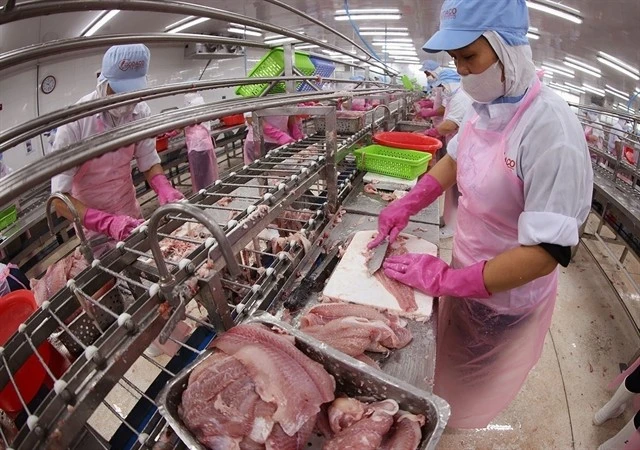
Vietnam's economy is on a strong growth trajectory, bolstered by recovering export orders. However, a new challenge has emerged: a shortage of skilled labour. This signifies a shift from the previous issue of simply not having enough workers to a more structural problem of lacking individuals with the skills required for economic development. General Secretary and President To Lam has stressed the importance of candidly addressing existing shortcomings, noting that Vietnam's challenge is no longer a shortage of workers but a shortage of workers whose skills meet development requirements. This highlights that workforce development and upskilling are urgent priorities for Vietnam to maintain and accelerate the growth of its manufacturing and export-led economy. Amidst this situation, Singapore-based United Overseas Bank (UOB) has significantly raised its forecast for Vietnam's 2026 GDP growth to 8.5%, reversing a previous downgrade to 7%. This upward revision is based on stronger-than-expected first-half economic performance driven by manufacturing, investment, and foreign direct investment (FDI). However, maintaining this growth will critically depend on qualitative improvements in the workforce. Vietnam Airlines plans to increase frequencies on several routes to Japan, the Republic of Korea (RoK), and Taiwan to meet rising demand for tourism, business, and family visits. Furthermore, Israeli businesses and experts have introduced a wide range of technologies and solutions for sustainable agricultural development, including smart irrigation systems and greenhouse technologies, indicating the need for technological innovation and talent development in the agricultural sector. The government has introduced Resolution No. 10-NQ/TW, emphasizing the building of a foreign-invested sector that is closely integrated with the domestic sector to create new growth drivers. This strategy aims not just to attract foreign capital but to generate synergy with domestic industries, transitioning towards a higher value-added economic structure. However, experts also point out that this resolution could pose significant challenges related to infrastructure capacity and environmental standards. Vietnam is also fostering ties with countries like Greece, which seeks to address labour shortages by strengthening labour cooperation with ASEAN countries. Improving the quality of the workforce is crucial for enhancing the overall competitiveness of Vietnam's economy. The government is pursuing development across various sectors, including improving the quality of OCOP products, promoting rental housing construction, and expanding its airport network. The proportion of workers holding formal qualifications or certificates rose to 29.7% during January-June, up 0.8 percentage points year-on-year, reflecting a gradual improvement in workforce quality. The State Bank of Vietnam set the daily reference exchange rate at 25,211 VND/USD on July 9, up 5 VND from the previous day. By 2030, Vietnam aims for its airport network to handle about 249 million passengers and 4.4 million tonnes of cargo annually, while ensuring more than 95% of the population lives within 100km of an airport. In a conference, 11 pairs of businesses from Guangxi and Quang Ninh signed cooperation agreements in areas including smart border gate development, logistics infrastructure, trade in agricultural, forestry and fishery products, cross-border cultural tourism, and testing and inspection services, to enhance connectivity between Guangxi's industrial and supply chains and those of Vietnam. Vietnamese Ambassador to the UK Do Minh Hung stated that bilateral ties have developed strongly in recent years, culminating in the establishment of a Comprehensive Strategic Partnership during Party General Secretary To Lam’s official visit to the UK in October last year. Meetings with AFD and EDF were seen as an important step in deepening ties between Quang Ngai and French partners as the province enters a new phase of development. Through broader international cooperation, Quang Ngai aims to attract more capital, technology, management expertise and training resources to advance green industry, clean energy and sustainable infrastructure, strengthen competitiveness and move toward becoming a major industrial, energy and logistics hub in central Vietnam and the country. Deputy Minister of Agriculture and Environment Dang Ngoc Diep said the sector achieved encouraging results thanks to close monitoring of market developments, proactive production management and timely measures to remove institutional and policy bottlenecks. According to the National Statistics Office, cultural industries contributed about 3.54% of Ho Chi Minh City's gross regional domestic product (GRDP) in 2020. The figure rose to around 5.7% in 2025 and is expected to continue growing. Vietnam currently has about 17,400 OCOP products rated three stars or above. The figure is set to increase to around 25,000 by 2030, with greater emphasis on improving quality, adding value and enhancing competitiveness rather than simply expanding the number of products. Vietnam currently has 130,571 rental housing units under construction. A review of national rental housing demand will be completed before the construction ministry assigns specific targets to provincial governments. India remained the largest supplier, with the value reaching 63.2 million USD, representing around 52% of Vietnam's total diamond imports.

多角的分析

経済的影響

ベトナム経済は、輸出回復とFDIの流入により高成長を維持しているが、その持続可能性は労働力の質に大きく依存している。従来の低賃金労働力モデルから、高度なスキルを持つ人材育成への転換が急務であり、教育・訓練システムへの投資が成長のボトルネック解消に不可欠である。また、国内産業との連携強化は、サプライチェーンの高度化と付加価値向上に繋がり、経済構造の転換を促すだろう。

投資家心理

ベトナムの成長ポテンシャルは依然として高いと見られているが、投資家は労働力の質という新たなリスク要因に直面している。特に製造業や高度技術産業への投資においては、熟練労働者の確保が事業継続性の鍵となる。教育・訓練プログラムへの投資や、技術移転を伴うFDIの誘致が、投資環境の魅力を高める要因となるだろう。不動産やインフラ分野への継続的な投資も、経済成長を支える基盤となる。

社会的影響

労働力の質的向上は、単に経済成長のためだけでなく、国民一人ひとりの所得向上と生活水準の改善に直結する。質の高い教育と職業訓練へのアクセスが、地方や低所得層の若者にとって、より良い機会を創出するかが問われている。また、都市部への人口集中と地方の労働力不足のミスマッチも課題であり、地域間のバランスの取れた発展が求められる。例えば、ハノイやホーチミン市での就職機会の増加と、地方の若者のスキルアップ機会の不足は、社会的な格差を広げる可能性も孕んでいる。

市民の声

ベトナム国民にとって、労働力の質的向上は、より良い雇用機会と高賃金に繋がる可能性を秘めている。しかし、現状では、開発ニーズに合致するスキルを習得するための教育・訓練機会が、全ての国民に平等に提供されているとは限らない。特に地方出身者や低所得層の若者にとっては、質の高い教育へのアクセスが限られている場合があり、これが社会的な格差を拡大させる懸念がある。例えば、都市部で求められるITスキルや高度な製造技術を習得するための専門学校への進学は、経済的な負担が大きい場合がある。

背景・歴史的文脈

ベトナムは、1986年のドイモイ政策以降、市場経済化を進め、製造業と輸出を経済成長の柱としてきた。安価で豊富な労働力は、外国直接投資(FDI)を誘致する大きな要因となり、経済は目覚ましい成長を遂げた。しかし、近年、経済発展に伴い賃金が上昇し、従来の労働集約型産業の競争力が低下。同時に、産業構造の高度化や技術革新への対応が求められる中で、開発ニーズに合致する高度なスキルを持つ労働者の不足が顕著になっている。これは、教育・訓練システムが経済の急激な変化に追いついていない構造的な課題を示唆している。

原文ソース

VietnamPlus English

原文を読む