Mines Ministry Declares Fishermen's Protest Against Sand Dredging Illegal, Cites Company's Valid License
Society
2026年7月6日
5
Phnom Penh Post

Mines Ministry Declares Fishermen's Protest Against Sand Dredging Illegal, Cites Company's Valid License

AI サマリー

Cambodia's Ministry of Mines and Energy has deemed a violent clash between fishermen and a sand dredging company illegal, asserting the company holds a valid license since 2020. The ministry urged adherence to legal channels for complaints regarding dredging activities.

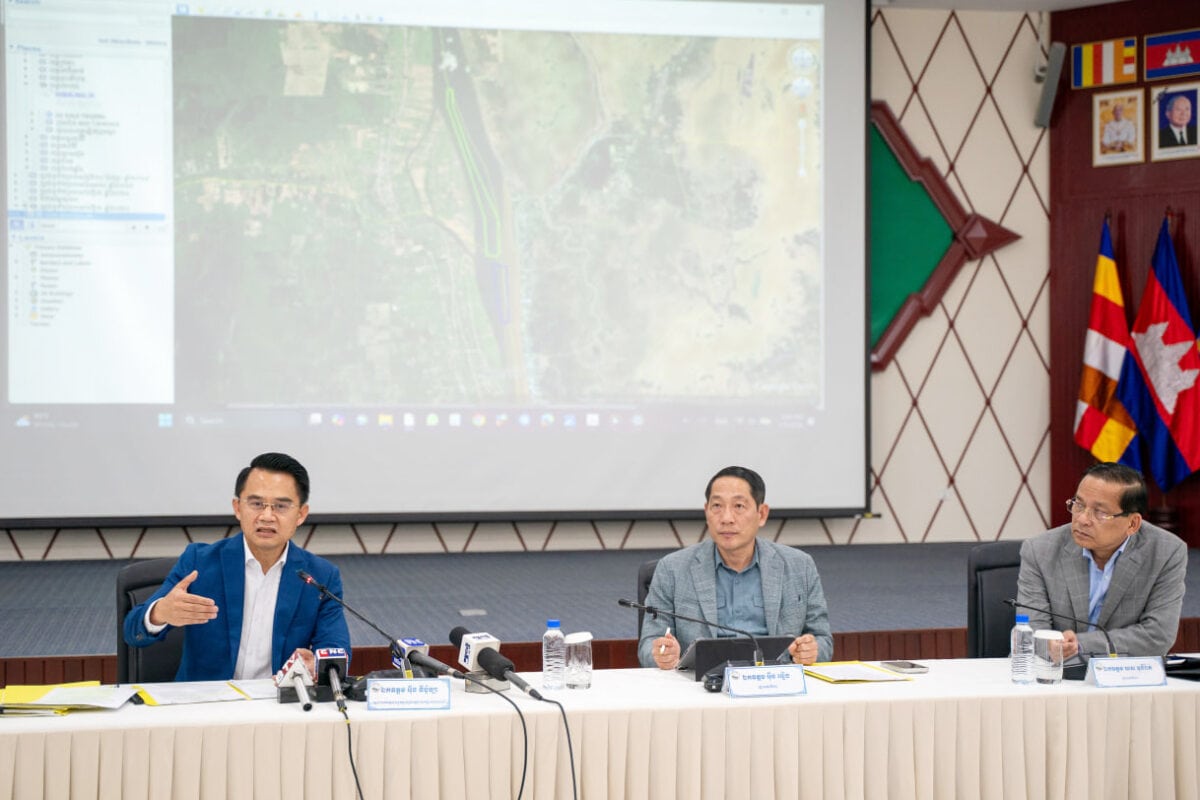
Cambodia’s Ministry of Mines and Energy has described a violent confrontation involving fishermen and a licensed sand dredging company near the Prey Veng–Kandal provincial boundary as unlawful, stressing that the company has legally held a sand extraction licence for the site since 2020. The ministry made the remarks during a July 5 press conference, following a July 2 incident. Officials said the briefing was intended to clarify the circumstances surrounding the incident and address public misconceptions arising from video footage shared online. Ministry secretary of state Ung Eang said the dredging site had been operating legally for several years. “The site in question is one for which the ministry issued a licence for sand dredging operations. Our inspection confirmed that the company has complied with all legal and regulatory requirements, particularly the conditions of its licence. This is not a new operation — it has been active at this location for four to five years,” he noted. He condemned the violence directed at the company’s workers. “The use of violence by members of the public against workers carrying out licensed mineral resource operations is unacceptable,” he added. The ministry urged citizens who suspect illegal mining or sand dredging activities to report them directly to the ministry, assuring the public that all complaints would be treated with complete confidentiality. Officials said the ministry would investigate every report and provide clear explanations where appropriate, while discouraging people from taking matters into their own hands. The confrontation followed the circulation of a 16-minute video posted on social media on July 2, in which local residents and fishermen from Prey Veng province alleged that sand dredging had caused riverbank erosion, threatening homes in their community. The dispute escalated into violence against workers at the dredging site. However, ministry spokesman Ung Dipola, who led an inspection team comprising ministry officials, local authorities and other relevant agencies, said the dredging operation is located within Kandal province, not Prey Veng, and found no evidence that the company had caused riverbank collapse. He acknowledged that illegal sand dredging can contribute to riverbank erosion but stressed that licensed operations are subject to strict standards designed to prevent environmental damage. According to the ministry, properly regulated dredging not only avoids harming nearby communities but also contributes to river management while generating significant revenue for the state through royalties and export duties. Eng Dipola said government revenue from sand exports over the past five years has exceeded $450 million in royalties and export taxes, rising to around $600 million when tax revenue is included. He said sand extraction licences are issued under strict legal and environmental requirements, with companies facing licence revocation if they fail to comply. The spokesman again called on the public to report any suspected illegal mining or dredging activities to local authorities, provincial mining departments or the ministry itself, rather than resorting to violence. “The ministry has always considered the social and environmental impacts of mining. Mining operations must balance development with conservation. It must protect the health of workers and surrounding communities while generating national revenue for Cambodia’s development. We will never support activities that leave people living in fear or distress,” he said.

多角的分析

経済的影響

カンボジア経済において、砂の輸出は重要な外貨獲得源となっており、過去5年間で約6億ドルの収入を国家にもたらしている。この収入は、インフラ開発や国家予算の財源として活用される。しかし、砂採取事業は、環境への影響や地域住民との軋轢といった課題も抱えており、規制の強化と透明性の確保が経済的持続可能性のために不可欠である。今回の事件は、経済的利益と環境・社会的な配慮のバランスがいかに難しいかを示唆している。

投資家心理

砂採取ライセンスを持つ企業にとって、今回の事件は事業運営におけるリスクを浮き彫りにした。合法的に事業を行っていても、地域住民との関係悪化や抗議活動が事業継続に影響を与える可能性がある。投資家としては、事業の合法性だけでなく、地域社会との良好な関係構築や環境規制遵守の確実性、そして政府の対応(紛争解決メカニズムなど)を慎重に評価する必要がある。透明性の高い情報開示と、地域社会への配慮が、投資リスクを低減する鍵となるだろう。

社会的影響

プレン・コー州の住民や漁師が主張する河岸浸食や家屋への脅威は、地域社会の生活基盤そのものを揺るがす深刻な問題である。彼らの訴えは、開発の恩恵が必ずしも地域住民に及ばず、むしろ生活環境の悪化を招く可能性があることを示している。鉱業省は、苦情処理の窓口を設けているが、住民が直接的な行動に訴えざるを得ない状況は、既存の紛争解決メカニズムの限界や、地域住民の声が十分に届いていない可能性を示唆している。公共の利益と私的な開発の間の緊張関係が、社会的な課題として浮き彫りになっている。

市民の声

住民の視点からは、河川の砂採取が直接的に生活環境を脅かしているという切実な訴えがある。彼らが動画を公開し、抗議行動に出たのは、行政や企業への不信感、そして自分たちの声が届かないという無力感の表れとも考えられる。鉱業省が「違法行為」と断じたことは、住民の正当な懸念を無視するものではないかという疑問も生む。市民は、開発による恩恵を受ける一方で、その負の側面から生活を守る権利がある。今回の事件は、開発と住民生活の調和が、カンボジア社会にとって喫緊の課題であることを示している。

背景・歴史的文脈

カンボジアにおける砂採取を巡る問題は、経済開発の必要性と環境・社会への影響との間で長年くすぶってきた。特に、メコン川流域での砂採取は、河川環境や周辺地域に影響を与える可能性が指摘されている。2017年には、カンボジア政府が砂の輸出を一時停止する決定を下したが、その後、一部の輸出は再開されている。今回の事件は、合法的なライセンスを持つ企業と、開発によって生活が脅かされていると訴える地域住民との間の、根深い対立構造を改めて浮き彫りにした形である。

原文ソース

Phnom Penh Post

原文を読む