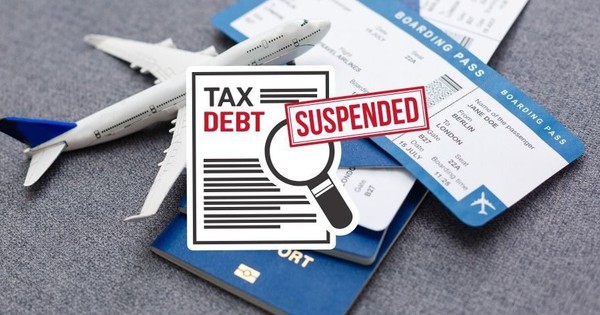
Vietnam Tightens Exit Bans for Tax Debtors
Politics
2026年7月3日
5
Bao Chinh Phu

Vietnam Tightens Exit Bans for Tax Debtors

AI サマリー

Vietnam's government has implemented new regulations to strengthen temporary exit bans for tax debtors, targeting individuals and entities with significant overdue tax liabilities or those found to have ceased operations at their registered addresses.

The Socialist Republic of Vietnam's government has enacted new regulations to strengthen temporary exit bans for tax debtors. The decree establishes specific thresholds for imposing these bans based on the amount and duration of overdue tax liabilities, while also detailing notification procedures and conditions for lifting restrictions. Under the new rules, individuals engaged in business and heads of household businesses will face a temporary exit ban if they are under tax enforcement measures and owe at least VND50 million (US$2,000) in overdue taxes for more than 120 days. Legal representatives of enterprises, cooperatives, and cooperative unions will be subject to the same restriction if their entities owe VND500 million (US$20,000) or more in overdue taxes beyond the 120-day deadline. The decree also targets businesses that have ceased operating at their registered addresses. Business owners, household business operators, and legal representatives of such entities will be temporarily barred from leaving the country if they fail to settle overdue tax obligations within 30 days after receiving a tax enforcement notice. Furthermore, Vietnamese citizens emigrating overseas, overseas Vietnamese, and foreign nationals departing Vietnam with outstanding tax debts will also be subject to temporary exit suspension measures. To ensure transparency, tax authorities are required to notify taxpayers at least 30 days before requesting an exit ban. Notices will be sent through taxpayers' electronic tax accounts, registered phone numbers, and email addresses, with legal representatives also receiving notifications at their registered residential addresses. These notices will be published on the tax sector's official online portal. If electronic notification cannot be delivered, tax authorities will publish the notice on their official website. Should the tax debt remain unpaid after 30 days, the tax authority will submit an official request to the immigration authority to impose a temporary exit ban. The Ministry of Finance stated that tax authorities have collaborated with local administrations to verify whether businesses and legal representatives are operating at their registered addresses as part of tax debt enforcement efforts. The legal basis for this measure is provided under the Law on Tax Administration No. 38/2019/QH14, as amended by Law No. 56/2024/QH15. The government first issued Decree No. 49/2025/ND-CP in February 2025, establishing thresholds for applying temporary exit suspension measures to different taxpayer categories. However, authorities noted that no minimum debt threshold applies to entities that have abandoned their registered business addresses. According to the Ministry of Finance, these taxpayers pose a particularly high compliance risk as they are often associated with other violations, including failure to submit tax declarations, failure to provide accounting records, illegal invoice transactions, tax evasion, tax appropriation, and abandoning business premises without notifying authorities. Tax authorities have so far issued temporary exit suspension notices to approximately 105,000 legal representatives of businesses and household business owners linked to nearly VND61 trillion (US$2.35 billion) in outstanding tax liabilities. Among them, around 65,000 legal representatives and household business owners whose businesses were no longer operating at their registered addresses accounted for over VND6.9 trillion (US$266 million) in unpaid taxes. The measure has already contributed to tax debt recovery. To date, tax authorities have collected over VND4 trillion (US$154 million) in overdue taxes from more than 13,000 taxpayers. Notably, about 7,100 taxpayers whose businesses had ceased operations at their registered addresses voluntarily contacted tax authorities, paid nearly VND100 billion (US$3.86 million) in outstanding tax obligations, and subsequently had their temporary exit bans lifted.

多角的分析

経済的影響

ベトナム政府による税金滞納者への出国禁止措置強化は、税収確保と財政健全化に向けた取り組みの一環と見られる。特に、登録住所での事業実態がない企業に対する措置は、租税回避や不正行為の抑止を狙ったものであり、経済活動におけるコンプライアンス意識の向上を促す効果が期待される。しかし、過度な規制は健全なビジネス活動を萎縮させる可能性も否定できず、その運用においては慎重さが求められる。ベトナム経済は近年、対外投資と輸出に大きく依存しており、国際的なビジネス環境との調和も考慮する必要がある。

投資家心理

今回の措置は、ベトナムにおける法規制の執行強化を示すものであり、投資家にとっては、事業運営における税務コンプライアンスの重要性を再認識させる機会となる。特に、中小企業や個人事業主は、滞納額や滞納期間が比較的少額であっても出国禁止の対象となり得るため、税務当局との円滑なコミュニケーションと、適時適切な納税が不可欠となる。一方で、法規制の明確化と執行は、投資環境の透明性を高める側面もあり、長期的に見れば、より安定した投資環境の構築に寄与する可能性もある。しかし、予期せぬ規制強化のリスクは常に存在するため、投資家はベトナムの法制度の動向を注視する必要がある。

社会的影響

税金滞納者への出国禁止措置強化は、社会全体における納税義務の重要性を再認識させる契機となる。特に、登録住所で事業実態がないにも関わらず、税務上の義務を果たさない事業者に対しては、社会的な信用失墜にも繋がりかねない。一方で、こうした措置が、意図せずとも、事業の困難に直面している小規模事業者や、情報不足から納税手続きに遅延が生じた個人に過度な影響を与えないか、という懸念も生じうる。税務当局は、通知手続きの透明性を確保し、納税者への十分な情報提供と支援を行うことが、社会的な摩擦を避ける上で重要となる。ベトナムでは、一党体制下での政策決定プロセスにおいて、国民生活への影響を考慮する仕組みが重要視されている。

市民の声

この政策は、ベトナム国民、特に事業を営む人々にとって、税務コンプライアンスの重要性を再認識させるものとなる。登録住所で事業を行っていないにも関わらず税金を滞納している場合、たとえ少額であっても出国が禁じられる可能性があるため、事業者は税務当局との連携を密にし、期日通りの納税を心がける必要がある。また、この措置は、社会全体の公平性を保つためのものと理解されるべきだが、意図しない形で事業継続が困難になるケースがないか、国民生活への影響を注視する必要がある。ベトナムの一党体制下では、国民の生活安定が政策の重要な柱の一つとされている。

背景・歴史的文脈

ベトナムでは、税務行政の強化は長年にわたる課題であり、特に経済成長に伴う税収の安定化と不正行為の防止が求められてきた。2019年の税務行政法改正(法律第38号)は、税務執行に関する法的枠組みを整備し、2024年の改正(法律第56号)でさらに補強された。これに基づき、政府は2025年2月に政令第49号を公布し、税金滞納者に対する一時的な出国停止措置の適用基準を具体化した。今回の報道は、この政令の施行と、それによる具体的な措置の強化を示すものである。特に、登録住所での事業実態がない企業に対する措置は、租税回避や脱税行為への対策として、近年のベトナム政府の重点政策の一つとなっている。

原文ソース

Bao Chinh Phu

原文を読む