General articles are free for 24 hours after publish.
Indonesia's Underpriced Coal Jeopardizes Forests and Communities
Despite dominating 47.3% of the global thermal coal export market, Indonesia's coal is sold at prices below its fair value. This 'underpricing' exacerbates environmental damage to forests and local communities while weakening the exporting nation's bargaining power.
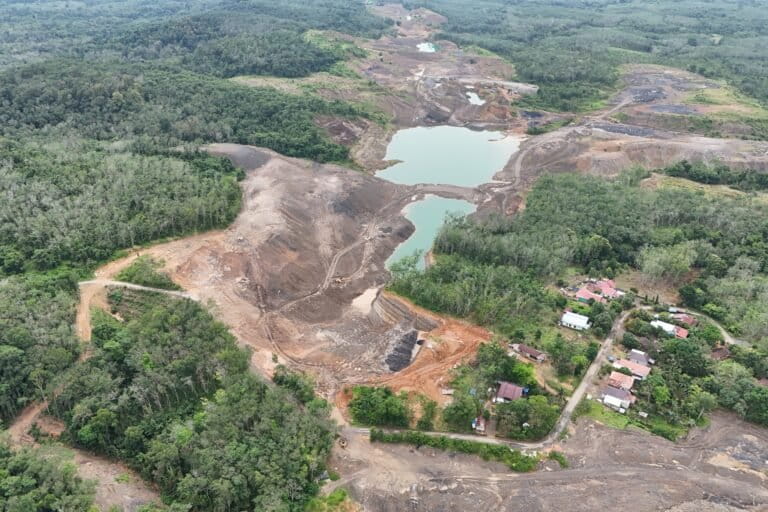
Indonesia dominates the global thermal coal export market, holding a 47.3 percent share. However, this significant position does not automatically translate into pricing power. Instead, Indonesian coal is often sold at prices significantly below its fair value, a phenomenon termed 'underpricing,' with the environmental costs borne by forests, rivers, and surrounding communities. A study by Clean Transition, released in July 2026, defines underpricing not merely as cheap prices, but as prices falling below fair value after accounting for quality, energy content, logistics costs, delivery terms, and transaction timing. Researchers compared exports from the top 20 largest exporting countries between 2020 and 2024, analyzing not just price per ton but also energy value. The findings revealed that Indonesian coal discounts were larger than could be explained by differences in energy content alone. Why does a major supplier like Indonesia possess weak bargaining power? One reason cited is dependence on specific buyers. Nearly 46 percent of Indonesia's coal exports go to China and India. These nations have alternative suppliers and can switch if Indonesian prices are deemed less attractive. The study found that when benchmark coal prices rose by 10 percent, Indonesia's export prices to these two countries increased by an average of only 5.9 percent, indicating that exporters do not fully benefit from price hikes. This pressure on profit margins compels companies to pursue larger sales volumes. The obligation to supply domestic needs at low prices further reinforces this drive. However, overproduction floods the market, further weakening Indonesia's negotiating position in a detrimental cycle. This cycle has tangible environmental consequences. Increased production necessitates expanding land clearing, building haul roads, and augmenting mining infrastructure. Bakhrul Fikri, a researcher at the Center of Economic and Law Studies (CELIOS), explained the impacts... This situation highlights the trade-off Indonesia faces between its ability to set prices for its exported resources and the imperative of environmental protection and community safety.
Original source
Mongabay Indonesia