General articles are free for 24 hours after publish.
Palawan Heirloom Rice Varieties Given New Lease on Life Through Preservation Efforts
The Philippine Department of Agriculture has collected 300 heirloom rice varieties from indigenous communities in Palawan, with over 180 identified as original strains by the Philippine Rice Research Institute (PhilRice). These resilient varieties, resistant to pests, are being preserved for future agricultural development.
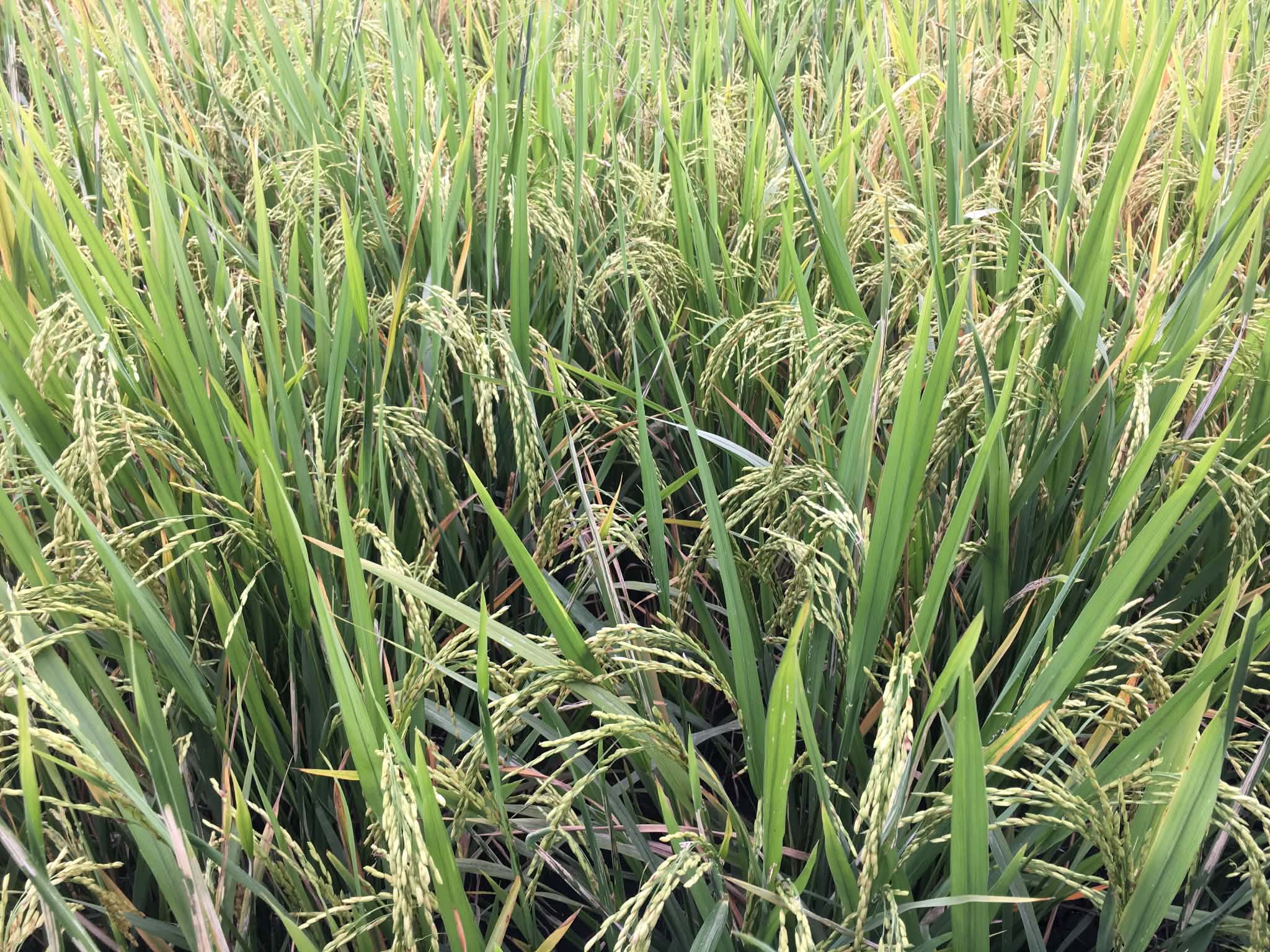
Heirloom rice varieties passed down through generations in the indigenous communities of Palawan are getting another chance to survive. The Department of Agriculture (DA) has collected 300 rice varieties from these communities in an effort to preserve heirloom seeds that have long been grown across the province. Eleanor Lotivo, officer-in-charge of the Agriculture Program Coordinating Office, said the seeds were sent to the Philippine Rice Research Institute (PhilRice), where more than 180 were found to be original varieties. Some of the other varieties, she said, may actually be similar rice types that were simply given different names by different indigenous communities. "These are their heirloom varieties, the old varieties that are really resilient. We have already sent these varieties to PhilRice after collecting them from indigenous communities. We are trying to preserve these seeds and distribute them back to the communities," Lotivo said in Filipino. Beyond their value as heirloom varieties, the seeds have also caught the attention of agriculture officials because of their resistance to pests. The DA said varieties that can withstand pests will eventually be returned to Palawan, allowing indigenous communities to continue planting them. The agency began collecting rice seeds in the province in 2025 as part of its effort to preserve heirloom varieties for future generations. "We are also studying these unusual rice varieties so that they can still benefit future generations because these are resistant to pests. We now have many pests because we are using different hybrids," Lotivo said. The preservation effort also forms part of the DA’s broader assistance to indigenous communities through the Kabuhayan at Kaunlaran ng Kababayang Katutubo, or 4K, program. The program supports farmers and fishers living within ancestral domains through production and post-harvest machinery and equipment, as well as assistance identified through community needs assessments. In Palawan, indigenous communities have received vegetable and corn seeds, garden tools and livestock. They have also undergone agricultural skills training to help them operate and manage the machinery provided to their communities. For Lotivo, preserving traditional rice varieties goes hand in hand with ensuring that indigenous farmers are not left behind in agricultural development. "We cannot forget our brothers and sisters in the mountains, our indigenous peoples," she said in Filipino. /mr
Original source
Inquirer NewsInfo