General articles are free for 24 hours after publish.
Iloilo Air Quality Declines to Unhealthy Levels Amid Persistent Haze
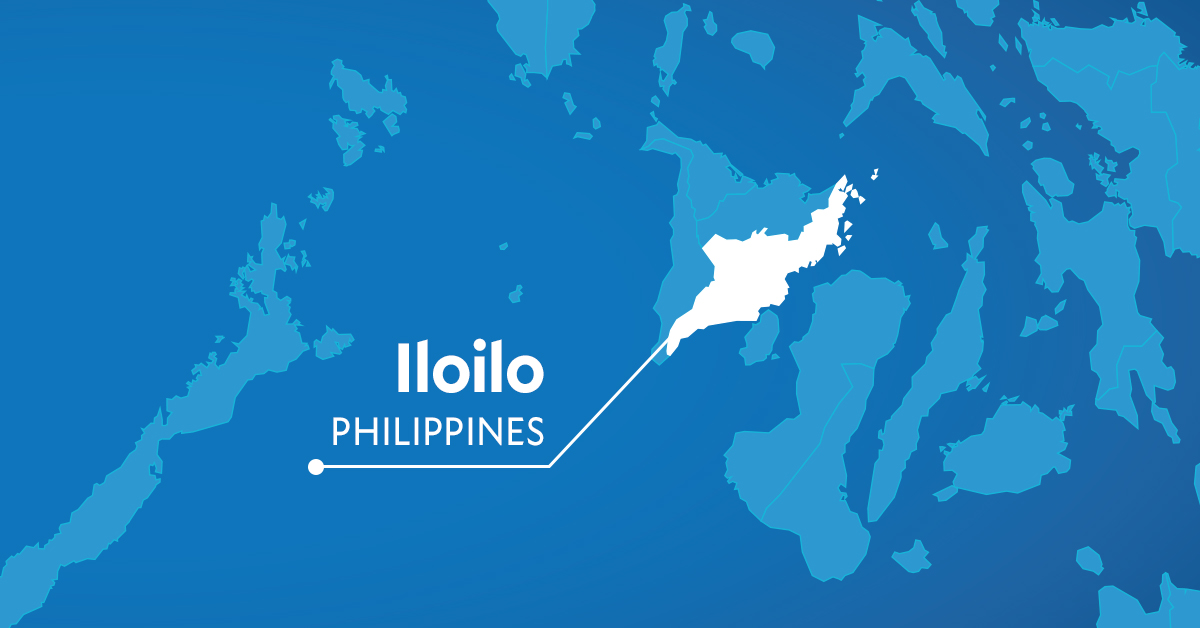
Air quality in Iloilo City, Philippines, has deteriorated to unhealthy levels for sensitive groups amid persistent haze, potentially linked to smoke from Indonesian forest fires. Authorities are monitoring the situation.
Air quality in Metro Iloilo deteriorated to a level considered unhealthy for sensitive groups on Sunday, as authorities continued to monitor haze possibly linked to smoke from forest fires in Indonesia. The Department of Environment and Natural Resources-Environmental Management Bureau (DENR-EMB) Region 6 stated this based on data from its Continuous Ambient Air Quality Monitoring Station in the Iloilo metropolis. Specific pollutant levels and detailed information on the source of the haze have not yet been publicly disclosed. For several days, Iloilo City and surrounding areas have experienced reduced visibility and a distinct smoky odor due to the persistent haze. This phenomenon is suspected to be transboundary air pollution, often referred to as haze, originating from distant sources. Forest fires are known to occur frequently in neighboring countries like Indonesia and Malaysia during this period, leading to widespread haze that can travel long distances with wind currents. Air pollution, particularly fine particulate matter such as PM2.5, can affect the respiratory and circulatory systems, exacerbating conditions like asthma, bronchitis, and heart disease. Consequently, during periods of poor air quality, vulnerable populations including children, the elderly, and individuals with respiratory or cardiac conditions are advised to limit outdoor activities and restrict ventilation. The Philippine government has committed to continuing its air quality monitoring and will issue advisories to residents as necessary. However, due to the transboundary nature of such pollution, effective mitigation relies heavily on fire suppression efforts in the countries of origin. This issue is not unique to the Philippines but is a shared environmental concern across the ASEAN region, highlighting the need for collaborative regional strategies. Past instances of similar transboundary haze have led to deteriorating air quality and health impacts in various Southeast Asian nations, including the Philippines, as well as disruptions to economic activities.
Original source
Inquirer NewsInfo