Marcos Jr. Drives World-Class Sports Education for Future Filipino Champions
Health
2026年7月15日
4
Inquirer NewsInfo

Marcos Jr. Drives World-Class Sports Education for Future Filipino Champions

AI サマリー

President Ferdinand Marcos Jr. inspected the National Academy of Sports (NAS) facilities at New Clark City, Tarlac, reaffirming support for Filipino youth athletes. State-of-the-art facilities and academic infrastructure are poised to nurture future international medalists.

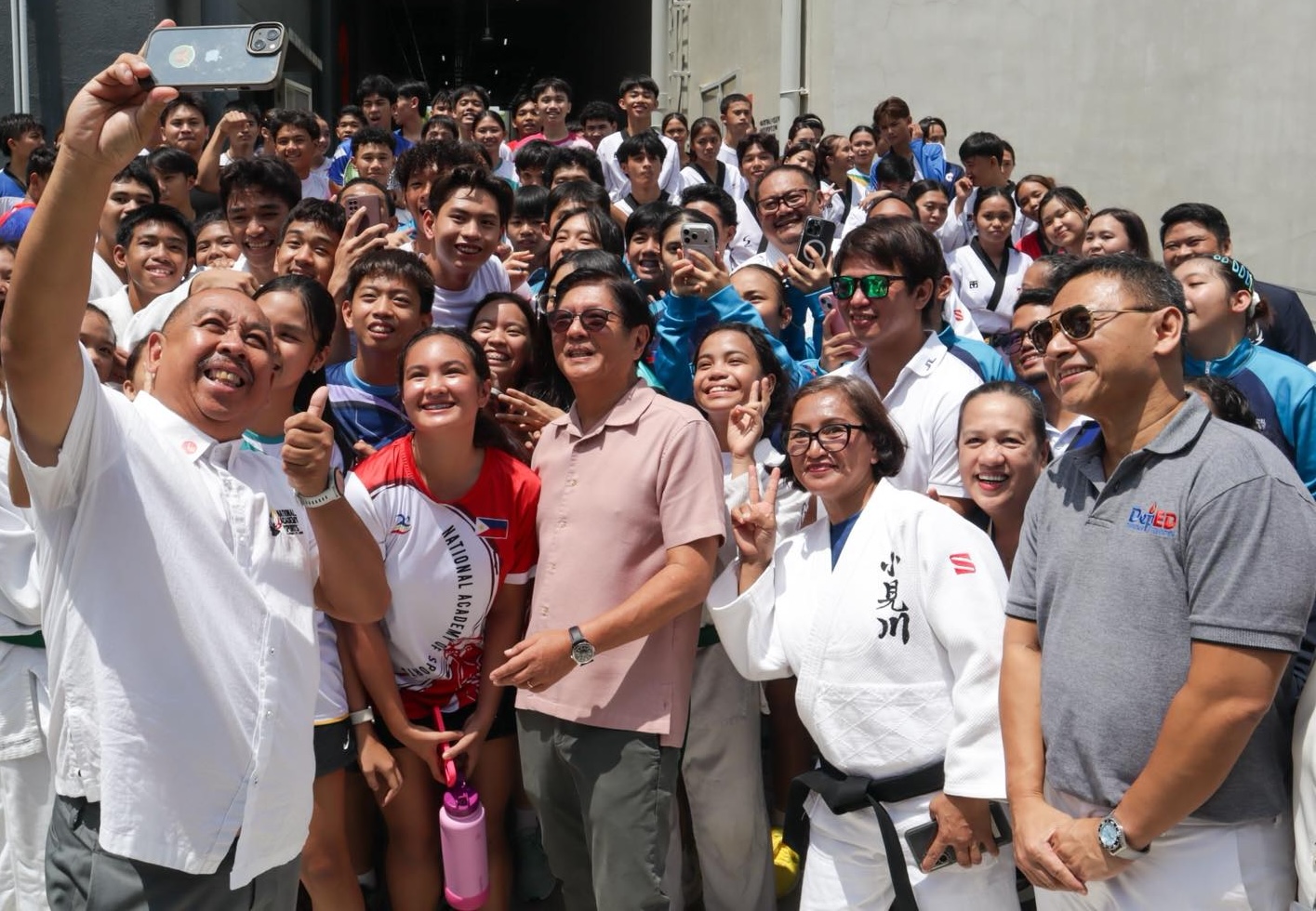
MANILA, Philippines — President Ferdinand Marcos Jr. on Tuesday inspected the National Academy of Sports (NAS) facilities at the New Clark City Sports Complex in Capas, Tarlac, to support Filipino student-athletes through world-class training venues and academic infrastructure. Accompanied by Education Secretary Sonny Angara, Marcos interacted with young athletes from different sports during the inspection. “We are immensely proud to see how this institution has grown into a premier hub that bridges elite athletic training and quality academic education for our youth,” Angara said. “Under the leadership of President Marcos, we will continue to enhance these spaces to produce champions who will proudly represent the Philippines on the global stage,” he added. The NAS was established under Republic Act No. 11470, signed in 2020, to institutionalize a premier educational and athletic pathway for gifted young Filipinos. READ: NAS uses Alex Eala stint at Rafa Academy as blueprint According to the Department of Education (DepEd), Marcos’ visit highlighted the administration’s push to modernize grassroots sports infrastructure and showcased how the NAS’ holistic support system has produced champion-caliber results. Data from DepEd showed that the facility subsidizes 246 elite student-athletes for School Year 2026–2027, with seven core sports: aquatics, athletics, badminton, gymnastics, judo, table tennis, and taekwondo. During the tour, the officials inspected the fully operational Phase 1 buildings, which include the Academic and Administration Building and a fully equipped Multi-Sports Gymnasium. They also reviewed Phase 2 developments, which are 98 percent complete and feature a modern Gymnastics Hall, a Sports Performance Building, and staff and student residences. “The president noted that our athletes now have a dedicated space to train, unlike before when they had to share public facilities. It is important to show the public that we have the infrastructure to help our student-athletes hone their skills,” Angara said. READ: World-class training hub eyed for PH athletes in New Clark City For School Year 2026–2027, the academy is prepared to support 246 student-athletes specializing in seven foundational sports: aquatics, athletics, badminton, gymnastics, judo, table tennis, and taekwondo. The NAS program offers a holistic support system, providing learners with 24/7 care, dormitory housing, daily meals and snacks, strength and conditioning support, and a monthly personal allowance of P3,000. The NAS workforce includes 174 personnel, including full-time faculty, program heads, and specialized coaches. This investment has already yielded results, with NAS athletes securing 1,029 medals in national and international competitions in 2025. Most recently, the academy won 26 medals—10 gold, five silver, and 11 bronze—at the 2026 Palarong Pambansa, demonstrating the rapid growth and elite standard of its sports program. “More than bringing home medals, investing in sports is also an investment in the well-being, discipline, and positive development of our youth,” Angara said. “It is through sports that their resilience and sense of unity are nurtured, which will greatly contribute to our goal of continuously strengthening safe and caring schools,” he added. /mcm

多角的分析

経済的影響

フィリピン政府によるスポーツインフラへの投資は、長期的な経済効果を期待させる。NASのような施設は、将来のスポーツ産業の発展、関連サービス(栄養学、スポーツ科学、医療)の雇用創ち、さらには国際的なスポーツイベント誘致の可能性を高める。これにより、国内経済の多角化と新たな収益源の創出に寄与すると考えられる。また、アスリートの健康増進は、国民全体の生産性向上にも間接的に貢献する可能性がある。

投資家心理

フィリピンのスポーツインフラへの投資は、直接的な投資機会は限定的かもしれないが、間接的な投資環境の改善に繋がる可能性がある。政府がスポーツ教育に注力することは、国の長期的な発展戦略の一部と見なされ、特に教育・健康関連分野への投資を検討する投資家にとって魅力となりうる。また、スポーツツーリズムの振興や、関連するメディア・テクノロジー分野への投資機会も潜在的に存在する。

社会的影響

NASの設立とマルコス大統領の視察は、フィリピンの若者、特に地方出身の才能ある子供たちに、経済的・地理的な障壁を超えてスポーツで成功する機会を提供する。月額3,000ペソの個人手当や24時間体制のケアは、経済的に恵まれない家庭の子供たちにとって大きな支援となる。これにより、スポーツが単なる娯楽ではなく、社会経済的地位向上の一つの道として機能することが期待される。しかし、選抜されるアスリートの公平性や、スポーツ以外の学業との両立支援の充実度などが、今後の社会的な課題となるだろう。

市民の声

マルコス大統領のNAS視察は、国民、特に若い世代にとって、スポーツを通じた自己実現の機会が拡大することへの期待感を示す。過去には、十分な施設や支援がなく、才能ある若者が機会を逃していた現状があった。NASのような世界レベルの施設は、彼らが国内で質の高いトレーニングを受けられることを意味し、海外流出を防ぐ一助ともなりうる。一方で、NASへのアクセスは限られたエリートアスリートに集中するため、より広範な市民がスポーツに親しむ機会の確保も、公共の課題として重要視されるべきである。

背景・歴史的文脈

フィリピンにおけるスポーツ振興は、長らく課題であった。特に、才能ある若者が十分なトレーニング環境や経済的支援を得られず、その能力を発揮できないケースが少なくなかった。過去の政権下でもスポーツ振興策は打ち出されてきたが、一貫性や十分な財政的裏付けに欠けることが多かった。NASの設立は、2020年に施行された共和国法第11470号に基づき、このような状況を改善し、体系的な才能育成システムを構築しようとする試みである。マルコス大統領の今回の視察は、この取り組みを政権の重要政策として位置づけ、その推進を加速させる意図を示している。

原文ソース

Inquirer NewsInfo

原文を読む