General articles are free for 24 hours after publish.
For Displaced Families in Myanmar, Filling Stomachs Matters More Than Nutrition
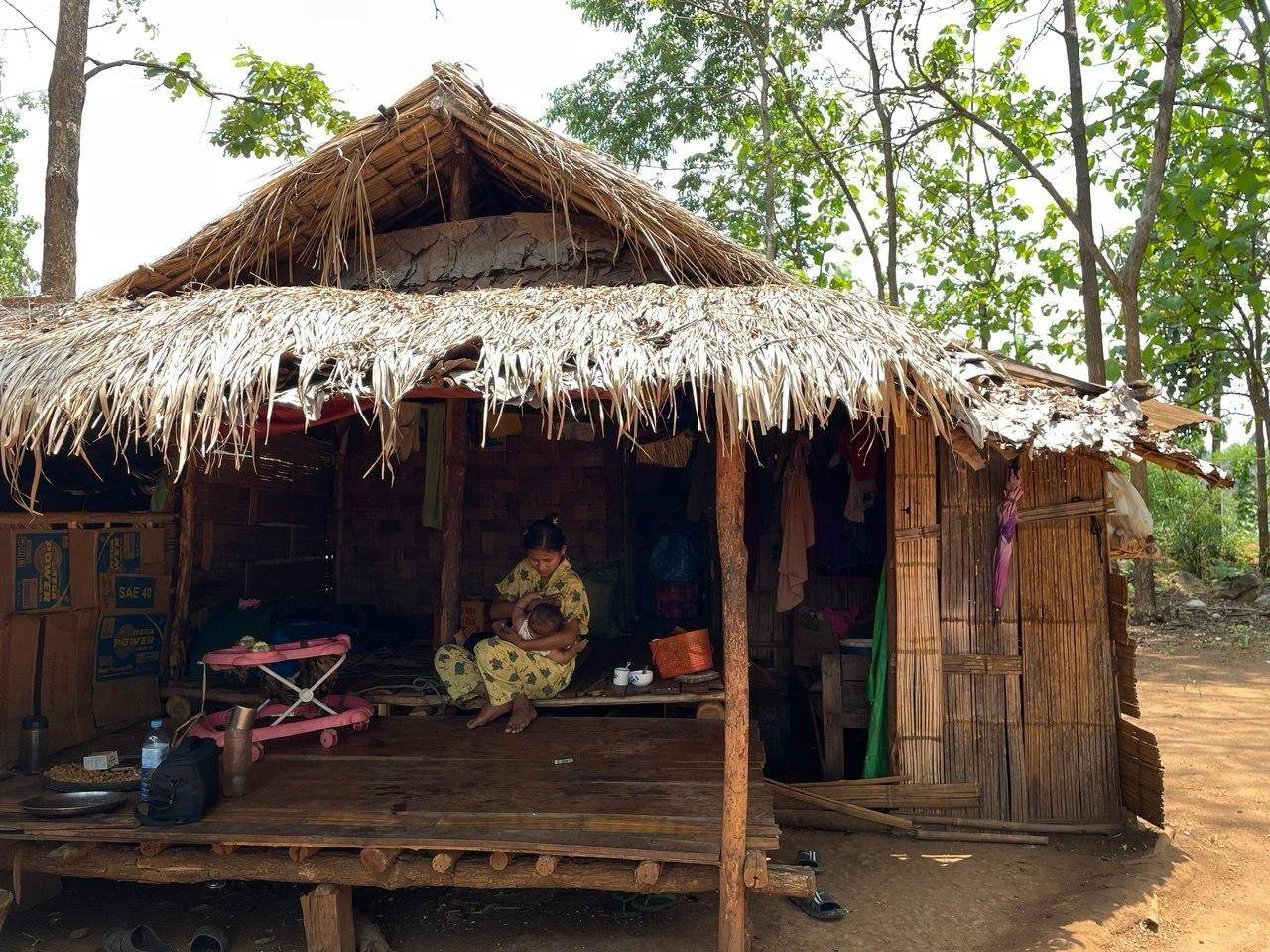
Burma News International (BNI) is a network of 15 independent media and news organizations based in and around Burma For parents living in internally displaced persons (IDP) camps across Karenni State, the daily question is no longer, “What should we cook today? ” Instead, it has become, “How do we make sure our children have enough to eat?
Burma News International (BNI) is a network of 15 independent media and news organizations based in and around Burma For parents living in internally displaced persons (IDP) camps across Karenni State, the daily question is no longer, “What should we cook today?” Instead, it has become, “How do we make sure our children have enough to eat?” While parents long to provide their children with balanced meals, basic survival has eclipsed nutritional needs. In a reality where even cooking oil, salt, and chili are luxuries, displaced mothers face a constant, quiet agony over their children's growing malnutrition. “Of course I want to feed them nutritious food, but I just can’t. We can only afford to buy meat two or three times a year,” said 32-year-old Daw Sue Myar, describing her struggle to feed her two young sons, aged 9 and 13. Though meal preparation is not strictly a woman's task, the domestic burden in IDP camps falls overwhelmingly on mothers like Daw Sue Myar, who spend every night worrying about tomorrow’s food supply. Originally from Yayphyu village in southern Shan State, Daw Sue Myar’s family has been forced to relocate three times since the 2021 military coup. They currently rent a small plot of land on a nearby hillside, where she and her husband farm to survive. However, low crop yields and sky-rocketing inflation—driven by transport blockades—mean the family’s income falls far short. To survive, they rely heavily on gathering seasonal wild vegetables and foraging for local produce. “There’s nothing we can do. We have to live like this,” she said. “When we lived in our village, we could afford a good meal at least once a week and buy snacks for the kids. Now, we can’t even afford snacks. When we can, I tell them, ‘Just take 1,000 kyats’ worth.’” Whenever she lacks money, Daw Sue Myar borrows small sums—sometimes just 1,000 or 2,000 kyats (Approximately US Cents 0.25–0.5)—from neighbors just to buy a piece of candy or a fried snack for her sons. “I just want my children to be happy. As long as we have enough food to survive, that is enough for me,” she added. Her story reflects a broader crisis across Karenni State, where nearly 200,000 people remain displaced. For 23-year-old Maw Phray Myar, who has lived in displacement for five years, ensuring proper nutrition is a matter of immediate infant development. She is breastfeeding her eight-month-old baby while introducing solid foods, but both mother and child lack essential nutrients. “When it comes to my child, health is the most important thing. The biggest challenge is money,” Maw Phray Myar said. A teacher at a displacement camp school noted that children's diets fluctuate entirely by season. “During jackfruit season, they eat jackfruit every day. During bean season, they eat beans. When bamboo shoots come, they eat bamboo shoots,” the teacher said, noting that while severe cases remain rare, mild malnutrition is increasingly common among her students. Healthcare workers warn that prolonged displacement will have lasting health impacts, particularly on young children and the elderly. Dr. Ye Zaw, a Civil Disobedience Movement (CDM) doctor providing emergency care in Karenni State, emphasized that living in jungles with inadequate diets severely weakens immune systems. “People eat whatever they can find, which leads to poor nutrition and compromised immunity,” Dr. Ye Zaw explained. “When your immune system is weak, diseases can enter the body much more easily.” According to UNICEF’s 2026 Humanitarian Action for Children report, an estimated 410,000 children under age five, along with pregnant and breastfeeding mothers across Myanmar, are currently at risk of acute malnutrition. Behind those alarming statistics are mothers like Daw Sue Myar, who borrow pocket change to buy their children a moment of joy, and families surviving day-to-day on wild plants while waiting for an end to the conflict.
Original source
BNI (Burma News International)