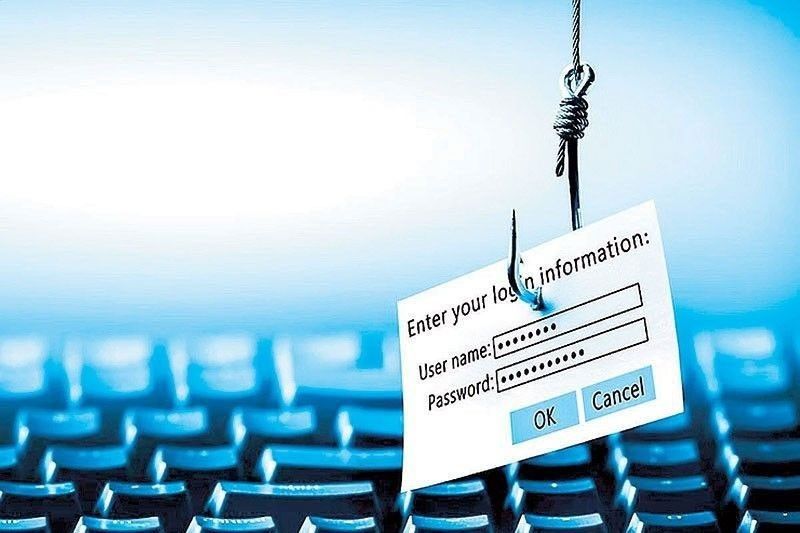
Comelec Warns Public Against Phishing Scam Targeting Personal Information
The Commission on Elections (Comelec) in the Philippines has issued a warning to the public regarding a phishing scam using its name to solicit personal information. Citizens are urged to be cautious of emails not using the official domain and to avoid clicking suspicious links.
This article requires PRO
This article is outside the free access window or is a special report. PRO unlocks it and the full archive.
Related articles
- MMDA Cracks Down on NCAP Text Scams, Urges Public Vigilance
The Metro Manila Development Authority (MMDA) is intensifying its response to text scams impersonating the No-Contact Apprehension Policy (NCAP), filing complaints with relevant agencies. While the MMDA lacks the power to apprehend scammers, it is coordinating with law enforcement and financial bodies to disrupt payment systems.
- 1914 Brass Choir Bell Stolen from Bohol Church Recovered
A 1914 brass choir bell, believed to have been stolen from the Saint Peter the Apostle Parish Church in Loboc, Bohol, has been recovered after being purchased for P17,000 from a scrap metal buyer. Authorities are investigating the incident as theft.
- PCSO GM Mel Robles Promoted to PCGA Rear Admiral
Melquiades “Mel” A. Robles, general manager of the Philippine Charity Sweepstakes Office (PCSO), has been promoted to rear admiral in the Philippine Coast Guard Auxiliary (PCGA). Robles views the promotion as an opportunity to strengthen his commitment to the PCGA.
- 51 individuals from Zamboanga Sibugay POGO raid to be flown to Manila
Fifty-one individuals, predominantly foreign nationals, apprehended in the largest Philippine Offshore Gaming Operator (POGO) raid in Zamboanga Sibugay last week are being flown to Manila. This operation marks a significant crackdown on illegal POGO operations in the region.