Cambodia to Create Over 90,000 Job Opportunities, Focusing on Domestic Industry and Worker Protection
The Cambodian Ministry of Labour and Vocational Training has announced plans to create over 90,000 job opportunities nationwide. This initiative aims to promote domestic employment, particularly for former Thai migrant workers and young job seekers, while enhancing worker rights and welfare.
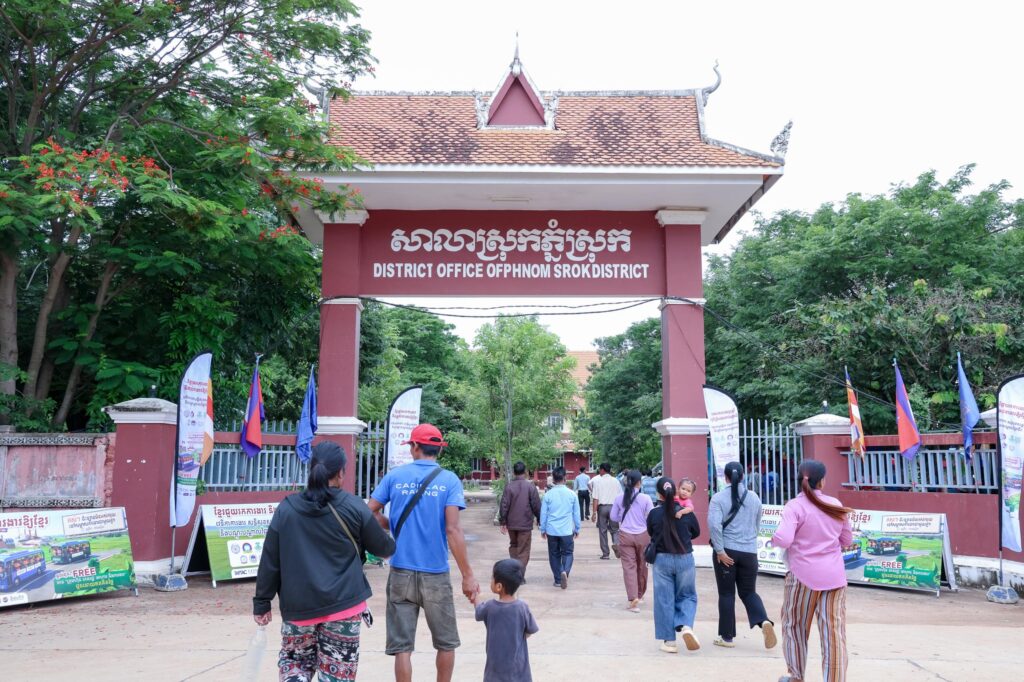
The Ministry of Labour and Vocational Training is advancing plans to create over 90,000 job opportunities nationwide, emphasizing domestic industry promotion and worker protection. The ministry is actively supporting the smooth reintegration of the workforce, particularly former migrant workers returning from Thailand and young job seekers within the country. Recently, a forum was held at Phnum Stuk District School in Banteay Meanchey Province, offering 3,500 job opportunities, National Social Security Fund (NSSF) benefits, and Technical and Vocational Education and Training (TVET) programs. Mr. San Kimhong, Undersecretary of State at the Ministry of Labour, stated that these 3,500 opportunities are part of over 90,000 jobs collected from major companies and enterprises nationwide. These opportunities are being disseminated to local communities to facilitate direct interviews and immediate employment for citizens. Mr. Kimhong further highlighted that bringing domestic job opportunities to the grassroots level saves both money and time for citizens, eliminating the need for them to search for work independently as in the past. He emphasized that having a job provides income, preventing individuals from becoming a burden on their families and society, and directly contributing to community development. He described jobs in domestic factories and enterprises as an excellent choice for building economic stability and family happiness. In addition to decent wages and other benefits, workers are entitled to NSSF benefits, including coverage for work risks, healthcare, and pensions. This contrasts with the potential risks faced by migrant workers in Thailand, such as safety hazards, labor exploitation, lack of health protection, violence, and discrimination. Furthermore, for those wishing to work abroad, the Undersecretary of State encouraged former workers to register for employment in countries offering higher salaries and greater safety than Thailand, such as Japan, South Korea, and Singapore. Additionally, individuals with existing skills in construction but lacking formal certification can now undergo Recognition of Prior Learning (RPL) tests to obtain official skill certificates. Moreover, former workers, youth, and even illiterate individuals can enroll in free technical training courses through the TVET 1.5 Million program. These courses cover various fields including construction, machinery repair, electrical work, air conditioning, baking, coffee making, and salon services, with flexible study schedules. Upon completion, participants can utilize these skills to start their own businesses. Mr. Kimhong urged the public to help disseminate information about these crucial job opportunities, NSSF benefits, and TVET programs to their family members, relatives, and friends. For further inquiries, individuals can contact Hotline 1297 for job opportunities and vocational training, or 1286 for NSSF-related information.
多角的分析
カンボジア政府は、国内雇用創出を通じて経済成長の安定化を図ろうとしています。9万件という規模の雇用創出は、国内総生産(GDP)の増加に寄与する可能性があります。特に、タイからの帰国労働者や若年層への支援は、国内消費の活性化と、技能労働者不足の緩和に繋がるでしょう。しかし、これらの雇用が質の高いものであり、持続可能な賃金が保証されるかが、経済効果を最大化する鍵となります。また、TVETプログラムによる職業訓練は、労働生産性の向上に貢献すると期待されます。
このニュースは、カンボジア国内の労働市場の安定化と、国内産業への投資を促すシグナルと捉えられます。企業にとっては、国内で訓練された労働力を確保しやすくなる可能性があります。特に、製造業や建設業など、労働集約型の産業にとって、国内での人材確保はコスト削減と生産性向上に繋がるでしょう。一方で、国際的な労働市場との比較において、賃金水準や労働条件の改善が、さらなる投資を呼び込むための重要な要素となります。日本企業にとっては、タイなど近隣諸国での労働力確保が難しくなる中、カンボジア国内での人材育成・確保が新たな選択肢となり得ます。
この政策は、カンボジア国内の失業率低下と貧困削減に直接的に貢献する可能性があります。特に、タイからの帰国労働者は、新たな環境での職探しに困難を抱えることが多く、国内での雇用機会の提供は彼らの生活再建を支援します。また、TVETプログラムは、非識字者を含む幅広い層に技術習得の機会を与え、社会的な包摂を促進します。しかし、国内での雇用が、タイなど国外での労働と比較して、労働条件や賃金面で劣らないようにすることが、社会的な満足度を高める上で重要です。地域社会の発展という点では、地元での雇用が家族の絆を維持し、地域経済の活性化に繋がるという期待があります。
カンボジア市民、特にタイからの帰国労働者や職探し中の若者にとっては、国内で安定した職を得られる機会が増えることは朗報です。これまで国外で働かざるを得なかった人々が、家族と離れることなく、より安全で安定した生活を送れるようになる可能性があります。TVETプログラムによる技術習得は、自身のスキルアップと将来のキャリア形成に繋がるため、多くの市民にとって希望となるでしょう。ただし、提供される職の質や賃金水準が、期待に見合うものであるかが、市民の満足度を左右する重要な要素となります。
背景・歴史的文脈
カンボジアでは、長年にわたり多くの国民が、より高い賃金と雇用機会を求めてタイなどの近隣諸国へ出稼ぎに出てきました。特にタイは、カンボジア人労働者の主要な派遣先であり、数万人がタイで働いています。しかし、国外労働者は、労働条件の悪さ、搾取、身分証明の問題、そして近年ではCOVID-19パンデミックによる入国制限など、様々なリスクに直面してきました。これらの経験から、カンボジア政府は国内での雇用創出と労働者の保護を強化する政策へとシフトしています。TVETプログラムは、国内の労働力不足を解消し、産業の高度化を図るための重要な柱として位置づけられています。また、中国からの投資が増加する中で、国内産業の多角化と労働市場の安定化は、経済的自立性を高める上でも重要視されています。
原文ソース
Kampuchea Thmey Local