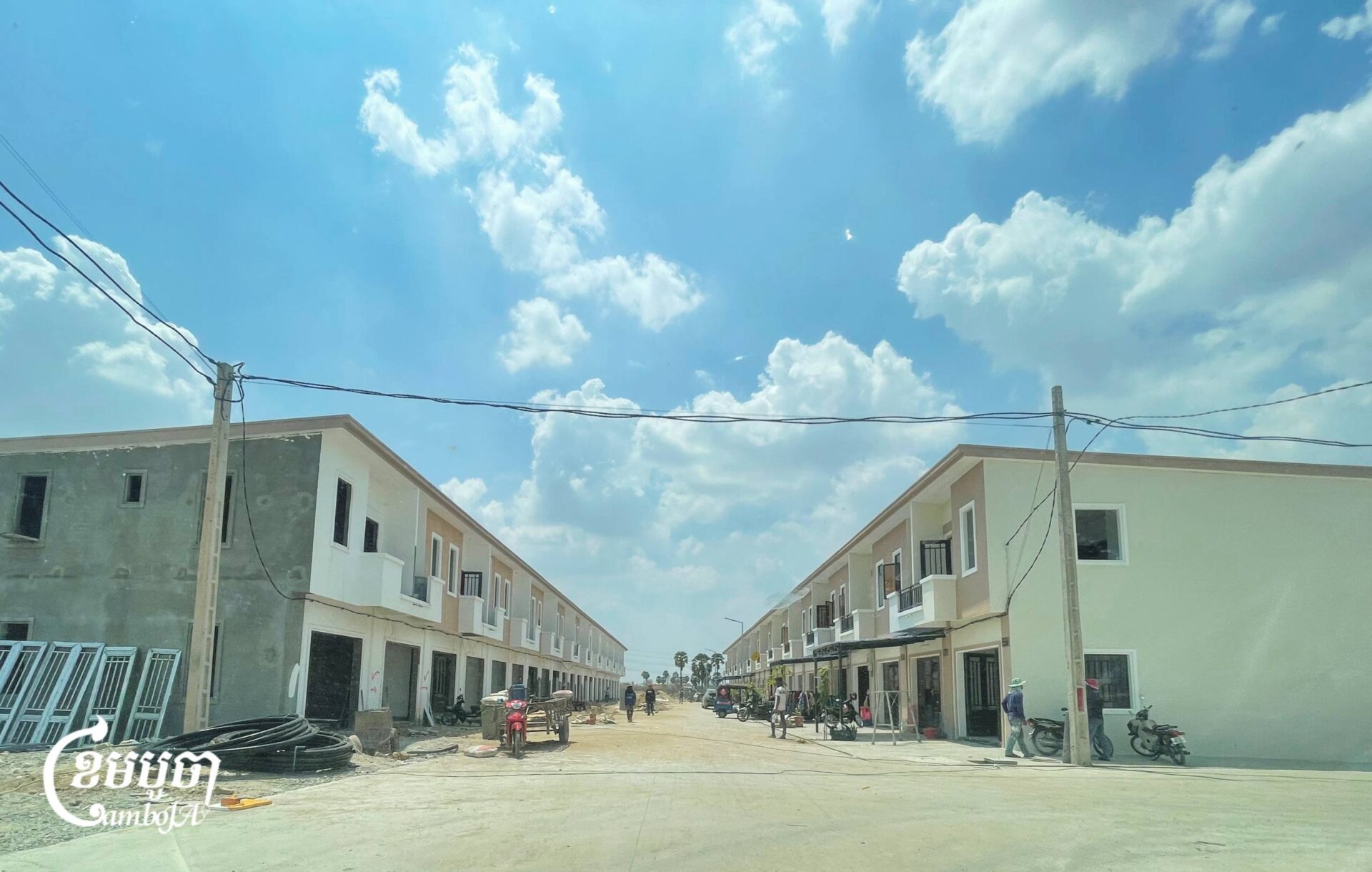
Cambodia urged to establish National Land Procurement Fund for affordable housing
Amidst soaring housing costs and rising rents in Cambodian urban areas, an architecture and urban design expert proposes the establishment of a National Land Procurement Fund. The expert argues that resolving land acquisition costs is crucial and suggests strategic land banking and development by the government, drawing lessons from Vienna's successful affordable housing model.
Soaring housing prices and rising rents in Cambodia's urban centers, particularly in the capital Phnom Penh, are placing a strain on residents' livelihoods. More than half of Phnom Penh residents find homeownership financially out of reach, while rental costs increasingly consume larger portions of their monthly salaries. While the government is aiming to supply affordable housing through strengthened partnerships with NGOs like Habitat for Humanity, experts argue that a sustainable solution is impossible without resolving the issue of land acquisition. An expert in architecture and urban design analyzes the current situation, noting that past public-private housing development projects have fallen short in terms of affordability, proximity to city centers, and the number of units supplied to meet demand. Even measures such as tax incentives are deemed insufficient to overcome the escalating land prices in urban areas. The expert proposes that the Cambodian government establish a "National Land Procurement Fund (NLPF)". This mechanism would enable the government to strategically acquire and secure suitable land within urban areas, which would then be developed into affordable housing. The proposal draws inspiration from the successful model implemented by Vienna, Austria, for over a century, which has shielded social housing from market pressures, allowing residents to live at rents approximately one-third of those in London. In Vienna, the "Fund for Housing Construction and Urban Renewal," established in 1984, is responsible for land acquisition and providing plots for social housing construction. This fund currently holds 3.1 million square meters of land and manages 220,000 housing units through its municipal housing provider. This model is one of the factors contributing to Vienna's consistent ranking among the world's most livable cities. For the operation of the NLPF in Cambodia, close coordination with urban development plans, the establishment of a board with technical expertise and representation of public interest, and the prevention of conflicts of interest through mandatory asset disclosure for board members are deemed essential. In addition to annual budget allocations, revenue generation measures such as taxation on luxury real estate are also proposed. This approach is expected to enable the government to secure land at lower costs in anticipation of future demand, facilitating housing supply that benefits the public in the long run. Source: CamboJA News
多角的分析
カンボジアの都市部における住宅価格高騰は、不動産市場の過熱と投機的な土地取引が主な要因と考えられる。特にプノンペンでは、急速な都市化と人口増加に対し、住宅供給が追いついていない。政府が民間デベロッパーとの連携に依存する従来の枠組みでは、利益追求が優先され、真に手頃な価格の住宅供給には限界がある。NLPFの創設は、土地取得コストを抑制し、市場原理から切り離された公的住宅供給を可能にする点で、経済的安定化に寄与する可能性がある。しかし、基金の設立・運営には多額の初期投資と継続的な財政支援が必要であり、その財源確保と効率的な土地管理が課題となる。
カンボジアの不動産市場は、依然として高い成長ポテンシャルを持つと見られているが、今回の提言は投資家にとって複雑な影響を与えうる。NLPFの設立は、政府が直接的に土地を取得・開発することにより、一部の民間デベロッパーの事業機会を制約する可能性がある。一方で、土地価格の安定化や、より計画的で持続可能な都市開発が進むことで、長期的な市場の健全化が期待できる。特に、インフラ整備と連動した住宅開発が進めば、新たな投資機会も生まれるだろう。しかし、政府主導の土地取得が、既存の土地所有者や開発業者との間で摩擦を生む可能性も否定できない。
プノンペン市民の多くが直面する住宅費の高騰は、生活水準の低下や貧困の拡大につながる深刻な社会問題である。特に低所得者層や若年層は、住居の確保が困難になり、都市部での生活を断念せざるを得ない状況も考えられる。NLPFによる公的住宅供給の推進は、これらの層に安定した住居を提供し、社会的不平等を是正する一歩となる。ウィーンの事例のように、手頃な価格で質の高い住環境が提供されれば、住民のQOL向上に大きく貢献するだろう。しかし、土地取得のプロセスや、開発される住宅の質・立地条件などが、市民の期待に沿えるかどうかが重要となる。
プノンペン市民にとって、住居費は家計を圧迫する最大の要因の一つです。特に、若年世代や低所得者層は、自分たちの収入では家を買うことも、都心で安定した賃貸物件を借りることも難しくなっています。政府が提案するハビタット・フォー・ヒューマニティとの連携は期待できるものの、土地の価格が高すぎると、結局は手頃な価格の住宅が供給されないのではないかという不安があります。ウィーンのような「国民住宅調達基金」ができれば、政府が直接土地を確保し、より安価で質の良い住宅を建ててくれるのではないかと期待しています。しかし、基金の運営が透明で、一部の有力者や開発業者の利益にならないように、市民の声が反映される仕組みが重要だと感じています。
背景・歴史的文脈
カンボジアでは、1990年代後半以降、急速な経済成長と都市化が進み、特にプノンペンでは不動産価格が急騰している。多くの国民にとって、住宅購入は困難な目標となり、賃貸市場も逼迫している。過去には、政府と民間企業が連携した住宅開発プロジェクトも行われたが、高価格設定や立地条件の問題から、手頃な価格の住宅供給という本来の目的を十分に達成できていないケースが見られた。このような背景から、専門家は、土地取得コストという根本的な課題を解決するため、ウィーンのような公的機関による土地の戦略的確保と管理を提唱している。
原文ソース
CamboJA News