Vietnam Eyes Global Financial Hub Status, Experts Urge Transparency and Digitization
Technology
2026年7月9日
8
VnExpress

Vietnam Eyes Global Financial Hub Status, Experts Urge Transparency and Digitization

AI サマリー

Vietnam is pursuing the establishment of an international financial center, with experts highlighting the necessity of transparent legal frameworks, international-standard infrastructure, and digital technology. Ho Chi Minh City and Da Nang will collaborate, focusing on trade finance, climate-related finance, and digital assets.

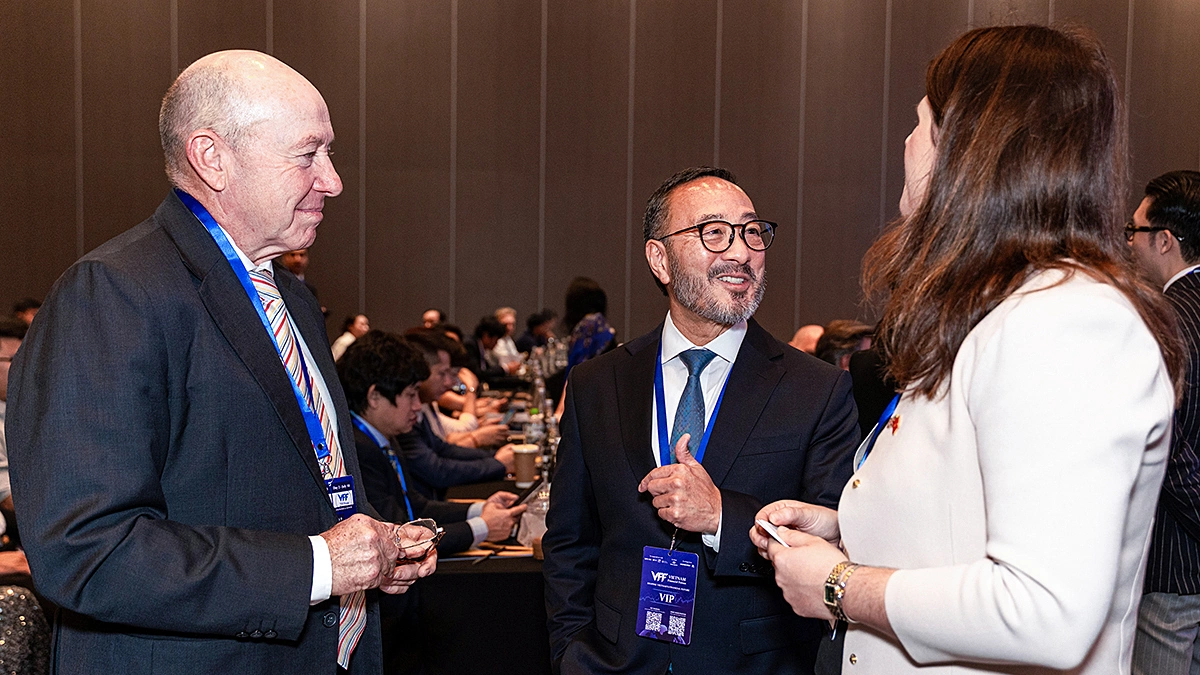
Experts have highlighted that international-standard infrastructure, a transparent legal framework, and the utilization of digital technology are key to attracting global capital for Vietnam's ambition to establish an international financial center. At the "Vietnam Finance 2026" forum held on July 9, Rich McClellan, CEO of the Vietnam International Financial Center (IFCV) in Ho Chi Minh City, stated that developing market infrastructure up to international standards is the top priority for attracting international financial capital for the next development phase. This model is a long-term national strategy, to be implemented with Ho Chi Minh City and Da Nang as complementary components of a single national financial center, rather than competing with each other. The IFCV will focus on developing three core areas: trade finance-supply chain finance, climate-energy finance, and digital assets. McClellan emphasized that success will depend not only on the legal framework but also on the participation of international financial institutions, businesses, and experts. Chris Vanloo, Chairman of the Vietnam Business Association in the Central region, reported that six months after its announcement, the financial center project has been implemented in Ho Chi Minh City and Da Nang, attracting founding partners and initial capital. He noted that Vietnam currently needs concrete capital commitments and practical implementation steps, rather than more new ideas. Jeffrey Singer, former CEO of the Dubai International Financial Centre, emphasized that the most crucial foundation for a successful financial center is a transparent legal and management system capable of building investor confidence. He cited the UAE's rapid establishment of transparent debt resolution mechanisms according to international standards and the application of English common law following the 2009 financial crisis as key factors that helped Dubai restore market confidence and strongly attract international capital back. Singer assessed that Vietnam's economy possesses many advantages with high growth rates, robust trade, and positive FDI flows. As Vietnam enters a new development phase, it is recommended to perfect its long-term legal framework to unlock international capital flows. "If Vietnam can combine high economic growth with a modern, transparent legal system, it will have the opportunity to become an attractive destination for global investors," Singer commented. Meanwhile, Jochen Biedermann, Managing Director of the World Union of International Financial Centers, identified artificial intelligence (AI) and digital assets as two prominent trends shaping the new generation of financial centers. He pointed to the Astana International Financial Centre (AIFC) in Kazakhstan aiming for full AI integration and the Bank for International Settlements (BIS) developing new-generation payment infrastructure for various digital asset transactions. Biedermann suggested Vietnam needs to grasp these trends early to enhance its competitiveness. At the forum, Ho Ky Minh, Standing Vice Chairman of the Da Nang City People's Committee, stated that special mechanisms from the National Assembly and Decree 323 are important foundations for establishing a financial center operating under international practices. The Da Nang government views this not just as a functional zone but as a new institutional space for experimenting with international standard financial models. The city has chosen to develop according to a new-generation financial center model, focusing on innovation, fintech, and sustainable finance. In the initial phase, the city will prioritize the development of five key groups of financial products and services, including asset tokenization, international carbon credit and trading markets, commodity exchanges, and medium- to long-term capital mobilization instruments. Minh believes that transparent institutions, trust, high-quality human resources, advanced technology, and a global network are decisive factors for the success of an international financial center. "Da Nang will coordinate closely with relevant agencies and accompany the business community to build a transparent and competitive investment environment," Minh affirmed.

多角的分析

経済的影響

ベトナムが国際金融センター構築を目指す動きは、国内経済の高度化と国際競争力強化に向けた戦略的な一手である。特に、貿易金融、気候変動関連金融、デジタル資産といった成長分野に焦点を当てることは、グローバルな資金の流れの変化に対応し、新たな投資機会を創出する狙いがある。過去の高度成長とFDI誘致の成功体験を基盤としつつも、国際金融センターとしての信頼性を確立するためには、法制度の透明性向上と国際基準への適合が不可欠である。これは、単なる資本集約から知識集約型経済への移行を加速させるための重要なステップと言える。しかし、AIやデジタル資産といった最先端技術の導入は、関連インフラ整備や人材育成といった課題も同時に提起している。

投資家心理

投資家にとって、ベトナムが国際金融センターを構築する動きは、新たな投資機会の拡大を示唆している。透明性の高い法制度と国際基準のインフラ整備が進めば、これまでリスクと見なされがちだったベトナム市場への投資ハードルが下がる可能性がある。特に、気候変動関連金融やデジタル資産といった分野は、ESG投資やテクノロジー投資の観点から注目度が高い。しかし、専門家が指摘するように、具体的な資本コミットメントと実行段階への移行が求められており、法制度の整備が遅れたり、期待通りのインフラが構築されなかったりするリスクも存在する。投資家は、ベトナム政府の具体的な進捗状況と、国際的な金融機関の参画動向を注視する必要がある。

社会的影響

国際金融センターの構築は、都市部、特にホーチミン市とダナン市の経済発展に大きく寄与すると期待される。これにより、高度な金融サービス分野での雇用機会が増加し、専門人材の育成や都市機能の高度化が進むだろう。しかし、その恩恵が地方や一般市民にまで均等に波及するかは不透明である。また、デジタル資産やAIといった先端技術の導入は、新たなスキルを持つ人材の需要を高める一方で、既存の雇用機会に影響を与える可能性も否定できない。ダナン市が「制度空間」として新しい金融モデルを試験する方針は、地域経済の活性化に繋がる可能性があるが、同時に、新たな規制や制度変更が市民生活に与える影響についても、丁寧な説明と配慮が求められる。

市民の声

ベトナムの国際金融センター構築構想は、一部の専門家や都市部住民にとっては将来への期待を高めるものである。特に、ホーチミン市やダナン市は、最先端の金融サービスやテクノロジーに触れる機会が増え、新たなビジネスチャンスが生まれると期待している。しかし、地方に住む多くの市民にとっては、この構想が自分たちの生活に直接どのような影響を与えるのか、まだ実感しにくい状況にある。物価の上昇や、都市部への人材流出といった懸念も生じうる。また、デジタル資産やAIといった新しい金融技術が、一般市民にとって身近で安全なものとなるか、あるいは新たな格差を生むのか、その普及と社会への浸透が注視されるべき点である。

背景・歴史的文脈

ベトナムは、1986年のドイモイ政策以降、市場経済化を進め、急速な経済成長を遂げてきた。特に、外国直接投資(FDI)の誘致に成功し、製造業を中心に国際的なサプライチェーンの重要な一端を担うようになった。しかし、経済のさらなる高度化と国際競争力の強化のためには、単なる製造拠点に留まらず、金融サービス分野での発展が不可欠であるとの認識が高まってきた。ホーチミン市とダナン市を国際金融センターの候補地とする構想は、こうした背景から生まれ、特に近年、デジタル経済や持続可能な開発への関心の高まりを受け、気候変動関連金融やデジタル資産といった分野に注力する方針が打ち出されている。これは、ベトナムがグローバル経済においてより多角的な役割を果たすことを目指す、長期的視点に立った戦略と言える。

原文ソース

VnExpress

原文を読む