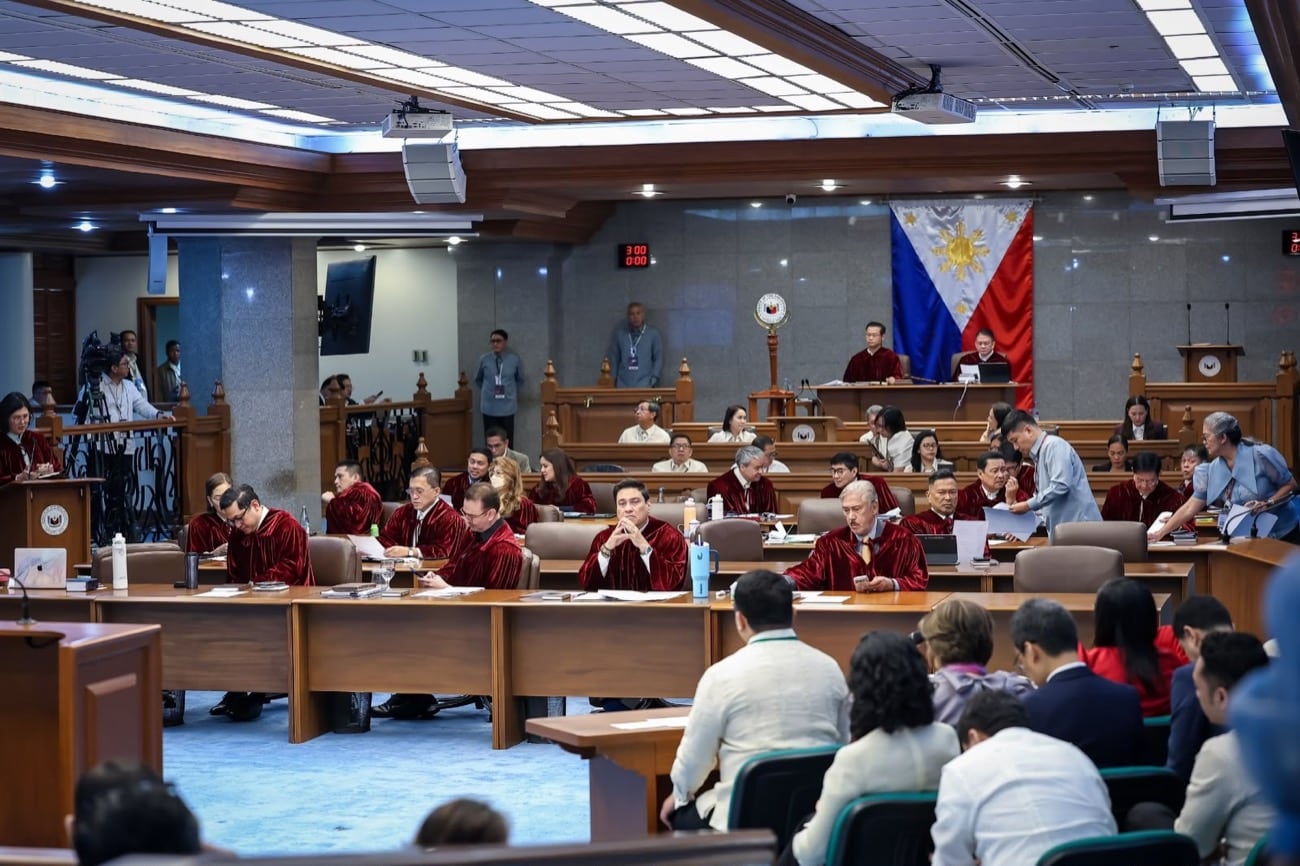
VP Duterte's impeachment trial sees clash over witness subpoenas
A procedural dispute arose during the impeachment trial of the Philippine Vice President, with the prosecution questioning the defense lawyer's readiness to present witnesses before subpoenas were issued. This has led to accusations of violating court decorum.
MANILA, Philippines — Public prosecution panel member and Akbayan party-list Rep. Chel Diokno said he is perplexed about the reason Vice President Sara Duterte’s lawyer asked him if they are ready to present witnesses when the subpoena has not been issued by the Senate Impeachment Court. In a press briefing after the first day of the impeachment trial, Diokno was asked about his interaction with defense panel member Sheila Sison, who asked him during trial if the prosecution is ready to present witnesses. “I don’t know, because his question was whether we were ready to present witnesses today. The issue was that subpoenas had not yet been issued for the witnesses who are scheduled to testify tomorrow,” Diokno said. READ: WATCH: Impeachment court spokesperson holds presser “So, for me, it was not the kind of question that required an answer because the answer was already obvious,” he added. Sison’s question came after Diokno explained before the court the order that the prosecution will present the Articles of Impeachment. However, the court has not yet tackled the subpoenas for the prosecution’s witnesses during that time. “The first article we will be presenting will be Article IV on grave threats; second will be confidential funds, Article I; third, bribery, that is Article III; and the fourth is unexplained wealth, your Honors that is […] Article II,” Diokno said. READ: Highlights: Day 1 of Sara Duterte impeachment trial “Again, chair rules that the respondents have the same and equal privilege of presenting its case as it so desires when it’s time to present its evidence-in-chief, shall come,” presiding officer and Senator-judge Francis Escudero said. “Thank you, your Honor. May I ask if the prosecution is ready to present its first witness today, because the defense is ready today, your Honor,” Sison replied. Diokno also pointed out that Sison has repeatedly violated courtroom decorum which states that litigators, or lawyers from both sides, must address questions to the court and not their counterparts. Sison, however, maintained that the question was made to the court, and not to Diokno. “If your Honor please, I just noticed that your Honor had already directed the counsel for the defense not to propound questions to the prosecution. This is already the second time that she’s doing that, she appears to be assuming or arrogating the powers of the court, because as I understand the rules, it’s only the court that can propound questions to the counsels,” Diokno said. “I take exception to that manifestation of the good counsel, in fact the record would show and if we could run the transcript back, my question was addressed to the presiding officer, your Honor,” Sison replied. Escudero then instructed both panels to move forward. In the press briefing, Diokno explained that Escudero had already reminded Sison about courtroom decorum, but she still talked to the prosecution panel — prompting him to make that point. “Well, for us to put things into context, it is basic in courtroom decorum for lawyers to refrain from asking or examining the opposing lawyers. If there are questions that they have to raise, they have to direct it to the Senator-judges,” Diokno said. “And if the court wants to know anything from the lawyers, the court is the one who should ask questions, if they think that it is relevant. That’s why I spoke earlier, because I have observed that the presiding officer, Senator Escudero, has already reminded her not to ask the opponents, and yet I felt that it was being repeated by the defense counsel,” he added. Earlier, the Senate Impeachment Court convened on Monday to start the trial of Duterte, who was impeached by the House last May 11. A total of 257 House lawmakers voted in favor of adopting House Resolution (HR) No. 989 which contains the Articles of Impeachment while only 25 members voted against, and nine abstained. The two complaints submitted to the House were consolidated into four grounds in the Articles of Impeachment: Information source: Inquirer NewsInfo
多角的分析
弾劾裁判という政治的混乱は、投資家の信頼を損ない、フィリピン経済への短期的な悪影響をもたらす可能性がある。特に、副大統領という要職にある人物の弾劾は、政策の不確実性を高め、国内外からの投資を躊躇させる要因となりうる。過去の類似事例では、政治的リスクの高まりは通貨安や株価下落を招いてきた。
今回の弾劾裁判は、フィリピンの政治的安定性に対する懸念を再燃させる。投資家は、法的手続きの進展と、それが将来の政策決定に与える影響を注視するだろう。特に、副大統領が担当する機密資金や説明不能な富といった条項は、汚職や財政規律への懸念を示唆しており、投資家はこれらのリスクを慎重に評価する必要がある。
弾劾裁判は、国民の政治への関心を高める一方で、社会の分断を深める可能性もある。特に、裁判の進め方や証人喚問に関する手続き上の異論は、法制度への信頼を揺るがしかねない。マニラ首都圏の市民は、政治的混乱が日常生活に与える影響、例えば物価の変動や治安への懸念を抱く可能性がある。
弾劾裁判の進展は、副大統領の職務遂行能力や、政府の透明性に対する国民の信頼に直接影響を与える。証人喚問状未発行の段階での証人提出準備に関するやり取りは、法的手続きの公平性や公正さに対する疑問を抱かせ、市民の政治への不信感を増幅させる可能性がある。特に、若年層はSNSなどを通じて情報にアクセスしやすく、こうした手続き上の問題点に敏感に反応する傾向がある。
背景・歴史的文脈
フィリピンにおける副大統領の弾劾手続きは、2001年と2005年にそれぞれ副大統領が弾劾訴追された歴史がある。これらの事例では、政治的対立が裁判の進め方や証拠提出を巡る争いに発展することが少なくなかった。特に、2001年の副大統領弾劾裁判では、証人喚問状の発行時期や、証人尋問の順序などが争点となった。今回の裁判における証人喚問状未発行の段階での証人準備に関するやり取りは、過去の裁判でも見られた、手続き上の駆け引きの一環として解釈できる。
原文ソース
Inquirer NewsInfo