Vietnam reviews first-half performance, outlines tasks for second half
Politics
2026年7月4日
4
VietnamPlus English
Relations
🇻🇳Vietnam🇨🇳China

Vietnam reviews first-half performance, outlines tasks for second half

AI サマリー

Vietnam maintained positive growth across most sectors in the first half of the year despite a challenging international economic environment. Foreign Direct Investment (FDI) surged, and agricultural and aquatic product exports showed strength. The focus for the second half will be on science, technology, digital transformation, and removing economic bottlenecks.

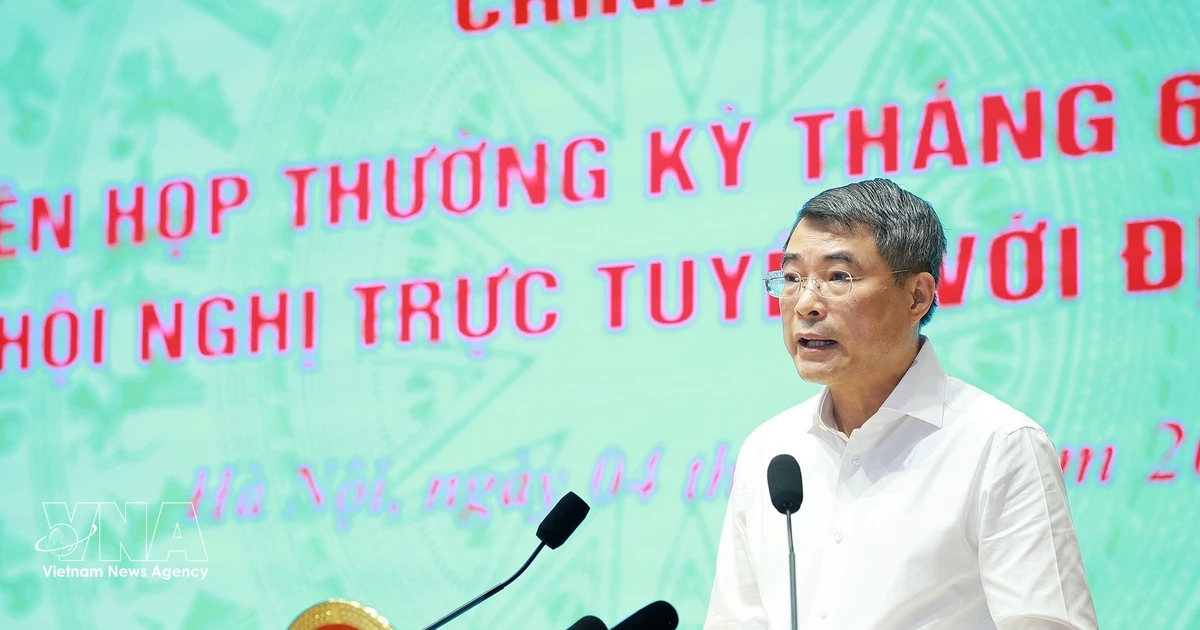
Vietnam's government convened a meeting to review the country's socio-economic performance in the first half of the year and outline tasks for the second half. As of June 30, Vietnam maintained positive growth across most industries and sectors despite a challenging international economic environment, according to the National Statistics Office (NSO). Agricultural products generated $18.59 billion in the first six months, up 0.2% year-on-year. Aquatic products saw a 11.4% increase to $5.7 billion, while forestry products rose 4.6% to $9.2 billion. Livestock products increased by 34.6% to $375.8 million, and salt production grew by 39.8% to $7.7 million. Foreign Direct Investment (FDI) also saw a significant surge. As of June 30, total registered FDI, including newly registered capital, additional capital for existing projects, and foreign investors' capital contributions and share purchases, rose 61% year-on-year to $34.65 billion. This indicates Vietnam's continued ability to attract foreign investment. A key priority for the second half of the year is the vigorous implementation of Resolution No. 57-NQ/TW on science, technology, innovation, and digital transformation. The Ministry of Science and Technology was tasked with leading a 100-day nationwide campaign to review and complete outstanding tasks related to the resolution, with detailed action plans and assigned responsibilities. Prime Minister Le Minh Hung urged the public security force to continue setting the standard in translating the Party’s strategic policies and the State’s laws into practice. He called on the force to take the lead in enabling development through concrete, measurable outcomes, proactively review and recommend measures to address shortcomings in institutions, policies, and legislation, and focus on removing bottlenecks to unlock resources needed for double-digit economic growth. The military has also demonstrated strong strategic awareness and responsiveness, accurately assessing developments and effectively advising the Party and State on military and defence matters. These efforts have enabled the flexible and effective handling of emerging situations, maintained a proactive posture, prevented surprises, and firmly safeguarded national sovereignty and territorial integrity. International cooperation also remains a focus. The simultaneous holding of the Pacific Partnership and Pacific Friendship programmes in Quang Tri demonstrated the increasingly substantive and effective cooperation between Vietnam and the US. Vietnam's trade with Ghana exceeded $1 billion for the first time in 2025, highlighting expanding trade relations in Africa. Information source: VietnamPlus English

多角的分析

経済的影響

ベトナム経済は、世界的なインフレや地政学リスクといった外部要因に直面しながらも、上半期に堅調な成長を維持した。特にFDIの61%増は、ベトナムの製造業ハブとしての魅力が依然として高く、サプライチェーン再編の恩恵を受けていることを示唆する。農水産物輸出の安定も、一次産品への依存度が高いベトナム経済にとって重要である。しかし、副首相が言及した「ボトルネック解消」は、インフラ、法制度、官僚主義といった構造的な課題を指しており、これらを解決できなければ、目標とする二桁成長の達成は困難となる。デジタル変革への注力は、経済の多角化と生産性向上を目指す戦略の一環であり、今後の成長ドライバーとして期待される。

投資家心理

ベトナムのFDI急増は、投資家にとって魅力的なシグナルである。特に、製造業分野での投資意欲の高さは、同国がアジアにおける生産拠点としての地位を確立しつつあることを示している。しかし、投資家は、法制度の不備や官僚的な手続きといった「ボトルネック」に注意する必要がある。これらの構造的課題が解消されれば、さらなる投資流入が期待できるが、現時点ではリスク要因として考慮すべきである。また、デジタル変革への投資は、新たなビジネスチャンスを生み出す可能性を秘めている。

社会的影響

ベトナム政府は、経済成長を最優先課題とする一方で、社会インフラや公共サービスの改善にも目を向けている。AI搭載キオスクの導入は、行政サービスの効率化とデジタル化を推進する試みであり、国民の利便性向上に繋がる可能性がある。また、国連平和維持活動への女性兵士の貢献は、ベトナム社会における女性の役割拡大と、国際社会への貢献を示す象徴的な出来事である。しかし、経済成長の恩恵が国民全体に均等に行き渡っているかは、依然として問われるべき課題であり、格差是正に向けた政策も重要となる。

市民の声

ベトナム市民は、上半期の経済成長というニュースに安堵感を抱いているだろう。特に、輸出の好調やFDIの増加は、雇用機会の創出や賃金上昇への期待に繋がる。しかし、副首相が言及した「ボトルネック解消」や、インフラ整備の遅れは、市民生活に直接的な影響を与える可能性がある。例えば、都市部での交通渋滞や、地方でのインフラ未整備は、依然として多くの市民が直面する課題である。AIキオスクのような新しい技術導入は、行政手続きの簡素化に繋がるかもしれないが、その普及と利用のしやすさが重要となる。

背景・歴史的文脈

ベトナムは1986年のドイモイ(刷新)政策以降、市場経済化を進め、一党体制を維持しながら急速な経済成長を遂げてきた。特に、製造業の発展と外国からの投資誘致に力を入れており、中国に代わる生産拠点としての地位を確立しつつある。近年は、サプライチェーンの多様化を目指す動きの中で、ベトナムへの投資が加速している。しかし、経済成長に伴うインフラ整備の遅れ、法制度の不備、環境問題、所得格差の拡大といった課題も顕在化しており、政府はこれらに対応する必要に迫られている。また、中国との複雑な関係、特に南シナ海問題は、ベトナムの外交・安全保障政策における重要な要素となっている。

原文ソース

VietnamPlus English

原文を読む