General articles are free for 24 hours after publish.
HCMC’s Famous Dog Meat Streets Vanish as Younger Generations Shun the Dish
Once bustling hubs for dog meat dishes in Ho Chi Minh City are now vanishing as restaurants close down. A shift in attitudes among younger generations and changing perceptions of pets are accelerating the decline of this culinary tradition.
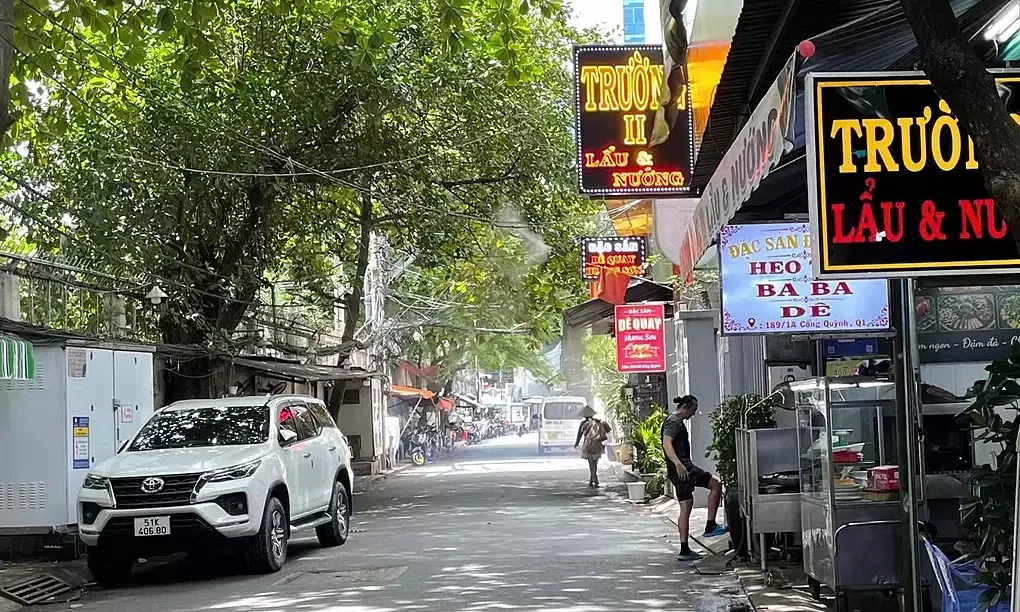
The once-famous dog meat streets of Ho Chi Minh City are vanishing, a trend driven by shifting consumer habits, particularly among younger generations who are increasingly turning away from the dish. Vendors are pivoting to other cuisines, reflecting a broader societal change in how companion animals are perceived. Xuan Binh, owner of the last remaining dog meat restaurant in Alley 189, Cong Quynh Street, in HCMC’s Cau Ong Lanh Ward, closed his doors in early 2026 to learn goat meat cooking. "This alley used to be one of the most famous dog meat hubs in Ho Chi Minh City, but now it’s completely gone," he stated. "People born after 2000 hardly ever eat dog meat, and some even actively oppose it." Binh began his business in 2001 when Alley 189 hosted seven other dog meat eateries, constantly packed with diners. The peak was between 2010 and 2015, with dozens of establishments lining the alley. However, business began to decline five years ago as new customers dwindled, leaving mostly middle-aged patrons. One by one, surrounding eateries shuttered, with Binh being the sole survivor by late 2025. After two rounds of persuasion from local authorities to switch professions, Binh decided to quit. Binh's pivot mirrors a trend across HCMC's historically renowned dog meat districts. On Pham Van Hai Street and near the Ong Ta Intersection, over 10 dog meat stalls closed by late last year. Where pushcarts once sold roasted and boiled dog meat, retail shops and offices now stand. Changing habits are evident. Minh Tuan, 40, who considered dog meat a staple during drinking sessions a decade ago, stopped consuming it in 2018 after adopting a pet dog. His daughter’s disapproval upon learning of his past consumption further solidified his decision. A 2021 survey by Four Paws in Hanoi and HCMC revealed that individuals under 24 had the lowest consumption rates. In HCMC, 88% of respondents refused dog meat, compared to 44% in Hanoi. Furthermore, 91% opposed the dog and cat meat trade, with 95% stating it's not part of Vietnamese culture. Elizabeth Homfray, founder of Laws for Paws, has observed the dog meat trade's steady shrinkage over her 19 years in the city. She attributes this to diners themselves: the accustomed demographic is aging, while younger generations refuse to adopt the habit. The increasing prevalence of dogs as beloved pets is also transforming social attitudes. Homfray highlights that most dogs in slaughterhouses are stolen pets, not farm-raised animals. Dr. Nguyen Thanh Phong, a lecturer at the Ho Chi Minh City University of Social Sciences and Humanities, notes that dog meat was not part of traditional southern cuisine, introduced in the early 20th century. He attributes the decline to rising incomes and a wider variety of food options. Globalization, through increased foreign interaction and travel, also exposes Vietnamese to alternative perspectives on animal welfare. Adopting pets for companionship is gaining popularity, especially among the youth. As household finances improve, pets become integral family members. However, Phong cautions that while prominent eateries disappear, the trade may persist in hidden locations or through raw meat sales. Nevertheless, the vanishing of entire dining streets signifies dog meat's exit from mainstream food culture, marking a shift in society's perception and treatment of companion animals.
Original source
VnExpress International