Philippines Races to Lock in Cheaper Loans After Upper-Middle-Income Upgrade
Economy
2026年7月6日
5
Rappler Business

Philippines Races to Lock in Cheaper Loans After Upper-Middle-Income Upgrade

AI サマリー

The Philippines is rushing to secure cheaper development financing following its upgrade to upper-middle-income status by the World Bank, as access to such loans is set to gradually narrow. The government is prioritizing project approvals and increased investment in the social sector.

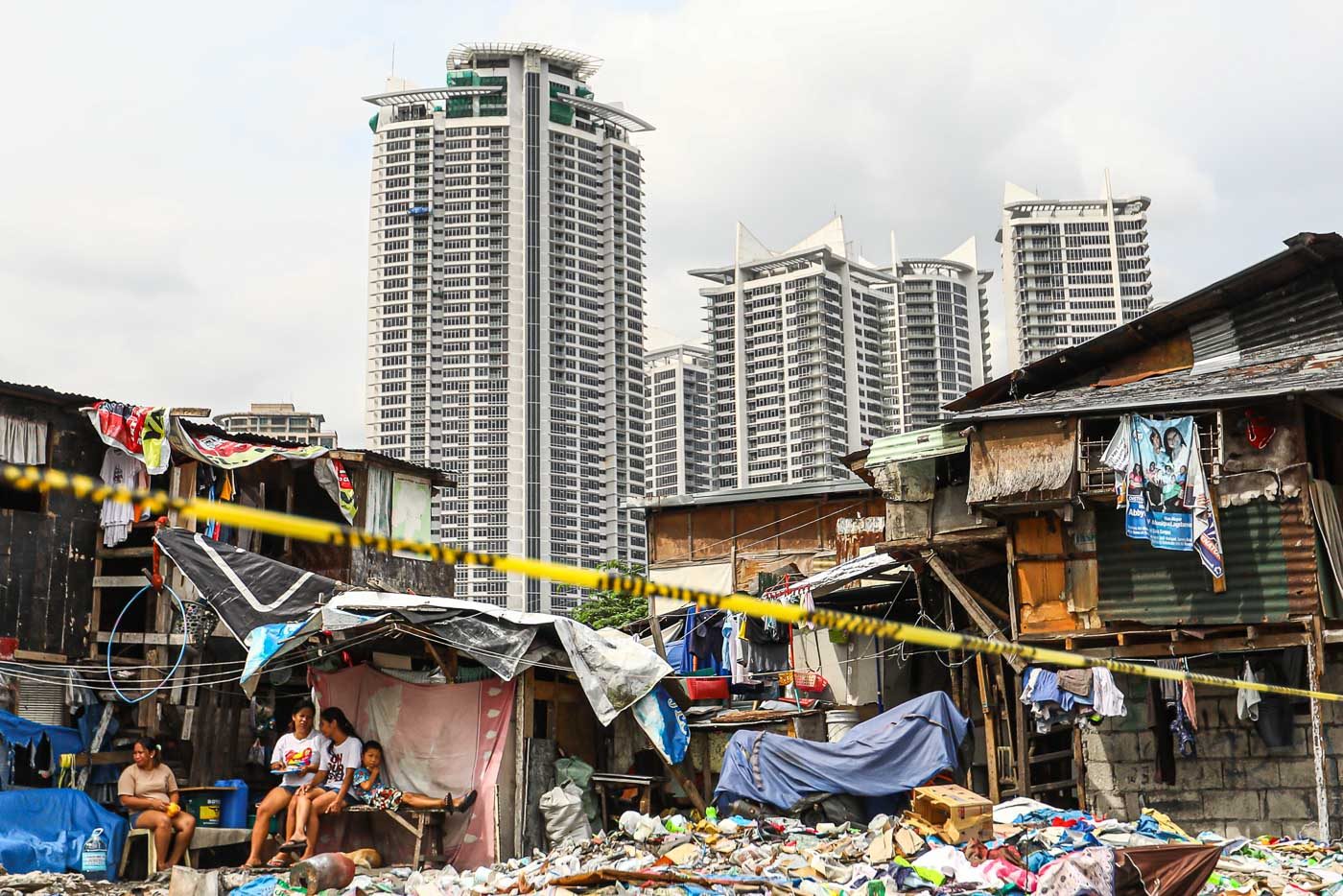
MANILA, Philippines – The Philippines’ new status as an upper-middle-income country has started a policy clock for the government to lock in cheaper development financing before access to it gradually narrows. The World Bank (WB) now classifies the Philippines as an upper-middle-income economy after its gross national income (GNI) per capita reached $4,850 in 2025, above the $4,636 threshold for the category. Department of Economy, Planning, and Development (DEPDev) Secretary Arsenio Balisacan said a growing economy sends an important signal about “the quality of your governance, the quality of your investment climate, the quality of your institutions, and the quality of your investment in public infrastructure.” “Those improvements will get reflected in the financial market,” he said during a press chat on Monday, July 6. “Private firms will be able to benefit from those developments.” The new income classification is likely to strengthen the country’s credit profile, signaling that the Philippines has become a more attractive economy for financing and investment. But it also means the country may eventually lose access to some concessional loans and grants, the cheaper development financing typically extended to poorer economies. That government’s next move is to use the transition period to approve priority projects before development financing starts to dry up, speed up ongoing infrastructure spending, and put more focus on social sector investments that can make upper-middle-income status felt by ordinary Filipinos. Must Read The Philippines is now upper-middle income. Why doesn’t it feel that way? Three-year window Asked whether upper-middle-income status would mean losing concessional loans, Balisacan said the effect would not be immediate. “In the next three years, we still maintain those concessional loans, but gradually, we will lose eventually those ones,” he said. He added that some development partners may still provide concessional financing on a project basis, especially for projects considered high-impact. DEPDev Undersecretary Joseph Capuno said he was “not too worried” about development financing drying up immediately, as the government intends to maximize the three-year transition period by approving projects already in the pipeline. “We have a number of infrastructure projects and social sector investment projects in the pipeline,” Capuno said. “Remember, we have a three-year window. So the strategy is actually to approve all those in the pipeline before the three-year window closes.” He said the government recently conducted a recalibration exercise to firm up investments through the end of the Marcos administration. With the Philippines’ upper-middle-income status now official, Capuno said there is even greater urgency to approve “quality infrastructure and social sector investments.” He estimated that there are around 20 to 30 such projects involving development partners such as the World Bank, Asian Development Bank, Japan International Cooperation Agency, and others. Marcos: Upper middle income status a ‘vote of confidence’ in PH Social projects get priority The income upgrade comes at a difficult moment for the Philippine economy. Growth fell short of expectations in the first quarter of 2026, inflation remained a persistent concern, and public infrastructure spending weakened amid delays in government disbursements. Balisacan said the administration’s priorities for the second half of the year are to restore confidence and growth, protect households from inflation and external shocks, raise productivity and competitiveness, and strengthen institutions. But Capuno also admitted that the government had “very limited” fiscal space for next year. The DEPDev undersecretary said the government would be more selective in approving new projects that require government financing, particularly for next year. The message to implementing agencies, he said, is to prioritize new projects in the social sector while slowing down approvals of some new infrastructure projects. “You want to prioritize new projects in the social sector, slow down a bit on the infrastructure sector,” Capuno said. He clarified, however, that this does not mean the government will slow down infrastructure spending across the board. Ongoing infrastructure projects will still be pushed. “We’re going to slow down on approvals of new infrastructure projects. But expedite spending on ongoing projects,” Capuno said. “It’s not a slowdown on all infrastructure projects, only on new. But expedite, ongoing.” – Rappler.com

多角的分析

経済的影響

フィリピンが中堅所得国に昇格したことは、経済の成熟と国際的な信用力の向上を示す。しかし、 concessional loan へのアクセスが限定的になることは、特にインフラ開発や社会福祉分野への資金調達戦略の見直しを迫る。政府は、限られた財政空間の中で、より効率的でインパクトのあるプロジェクトへの投資を優先する必要がある。インフレや経済成長の鈍化といった課題も抱える中、この所得格上げを国内経済の持続的な発展にどう繋げるかが鍵となる。

投資家心理

中堅所得国への格上げは、フィリピンの投資環境の改善とリスク低減を示唆し、海外からの直接投資(FDI)を呼び込む可能性がある。しかし、 concessional loan へのアクセス低下は、政府主導のインフラプロジェクトへの資金調達コスト上昇につながる可能性があり、民間セクターの関与をさらに促す要因となりうる。投資家は、政府の財政状況、インフレ動向、そして社会部門への投資強化という政策シフトを注視する必要がある。

社会的影響

中堅所得国への昇格は、国民全体の生活水準向上を期待させる一方で、その恩恵が国民に行き渡るかどうかが問われている。特に、インフラ整備の遅れやインフレは、低所得層の生活を圧迫する可能性がある。政府が社会部門への投資を優先する方針は、教育、医療、社会保障の改善を通じて、所得格差の是正に繋がる可能性があるが、その実行と効果が国民の実感となるかが重要である。例えば、マニラ首都圏の交通渋滞緩和や地方の医療アクセス改善といった具体的な変化が期待される。

市民の声

フィリピン市民、特に地方に住む人々や低所得層は、この「中堅所得国」というニュースを複雑な思いで受け止めている可能性がある。一人当たりの所得は増えたが、日々の生活費の高騰や、都市部へのインフラ投資の偏り、地方での雇用機会の不足といった現実的な課題は依然として大きい。政府が社会部門への投資を優先する方針は、教育や医療へのアクセス改善という形で、彼らの生活に直接的な恩恵をもたらす可能性を秘めているが、その実現には時間がかかるだろう。一方で、都市部の若者は、より良い教育や海外就労の機会を期待するかもしれない。

背景・歴史的文脈

フィリピンは、世界銀行の基準に基づき、一人当たり国民総所得(GNI)の増加により、2024年に低所得国から下位中所得国、そして2025年には上位中所得国へと段階的に格上げされた。この格上げは、経済成長と開発努力の成果を示す一方で、国際機関や二国間援助からの concessional loan(譲許的融資)へのアクセスが徐々に制限されることを意味する。過去、フィリピンはこれらの低利融資を活用し、インフラ開発や貧困削減プログラムを推進してきた。今回の格上げは、政府に対し、より持続可能で市場ベースの資金調達メカニズムへの移行を促す契機となっている。

原文ソース

Rappler Business

原文を読む