Hanoi Unveils 100-Year Master Plan for Capital City
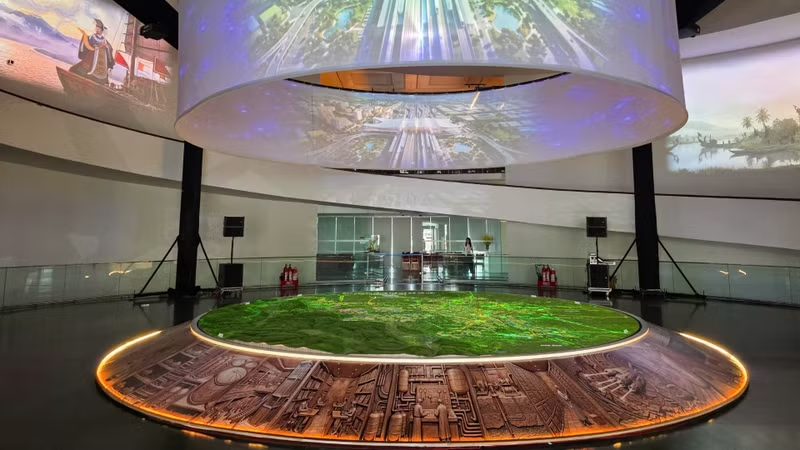
Hanoi officially unveiled its 100-year master plan for the capital on June 29, marking a historic milestone in the city's development. The plan, meticulously prepared by city authorities, has generated significant public interest and anticipation for the future urban landscape.
Hanoi, Vietnam's capital, officially unveiled its comprehensive master plan for the city, envisioning its development over the next 100 years, on June 29. The plan was opened to the public, marking what is considered a historic milestone in the evolution of the capital's development thinking. The Hanoi People's Committee and the Hanoi Museum had meticulously and thoughtfully prepared the exhibition space for this century-defining plan. The announcement of this master plan is expected to open up new development horizons for the capital. Citizens have expressed various expectations for the future city, with attention focused on how this plan will be realized. Under Vietnam's one-party system, such long-term national and urban planning plays a crucial role in laying the foundation for economic growth and social development under the guidance of the central government. Especially as Vietnam continues its rapid economic growth, the sustainable development of Hanoi is an urgent issue, and this plan will define the future of urban infrastructure, economic activities, and citizens' lives.
多角的分析
100年ビジョンの都市計画は、ハノイの将来的な経済活動の範囲と性質を定義する。これには、新たな産業団地の開発、インフラ投資(交通網、エネルギー供給)、そして都市機能の再配置が含まれる可能性が高い。計画の実行は、国内外からの投資を呼び込み、特に製造業やサービス業の成長を促進する触媒となるだろう。しかし、計画の実現可能性と、それが経済格差を拡大させないかどうかが今後の課題となる。
このマスタープランは、長期的な投資機会のシグナルとなる。特に、インフラ開発、不動産、そして計画に沿って発展するであろう新興産業分野への投資が注目される。投資家は、計画の具体的な実施段階、許認可プロセス、そして政府のコミットメントを注視する必要がある。中国との関係が緊張する中で、サプライチェーンの再編を目指す外国企業にとって、ハノイのインフラ整備は魅力的な要素となりうる。
100年ビジョンの計画は、ハノイ市民の生活環境に直接的な影響を与える。新たな居住区の計画、公共交通機関の拡充、緑地の確保などは、生活の質向上に繋がる可能性がある。一方で、都市開発に伴う地価の上昇や、既存コミュニティの移転、生活様式の変化は、一部の市民にとって課題となることも考えられる。例えば、旧市街地の景観保全と近代化のバランス、あるいは郊外への移住を余儀なくされる人々の生活再建などが、社会的な議論を呼ぶだろう。
ハノイ市民は、この100年ビジョン計画に対して、より良い生活環境、効率的な交通網、そして経済的な機会の拡大を期待している。特に、若年層は、将来の雇用機会や、よりモダンで住みやすい都市への変化に関心を寄せている。しかし、計画の具体化が進むにつれて、住宅価格の高騰や、生活コストの上昇に対する懸念も生じる可能性がある。市民の声が計画にどの程度反映されるかが、その受容度を左右する。
背景・歴史的文脈
ベトナムは1986年のドイモイ(刷新)政策以降、市場経済化と国際社会への開放を進め、目覚ましい経済成長を遂げてきた。特にハノイのような大都市では、人口増加と経済活動の活発化に伴い、都市インフラの整備と持続可能な開発が喫緊の課題となっている。共産党による一党体制下では、長期的な国家・都市計画は、経済成長の原動力として、また社会秩序の維持のために重視されてきた。今回の100年ビジョン計画は、こうした背景を踏まえ、将来のハノイの姿を包括的に描こうとする試みである。
原文ソース
Nhan Dan