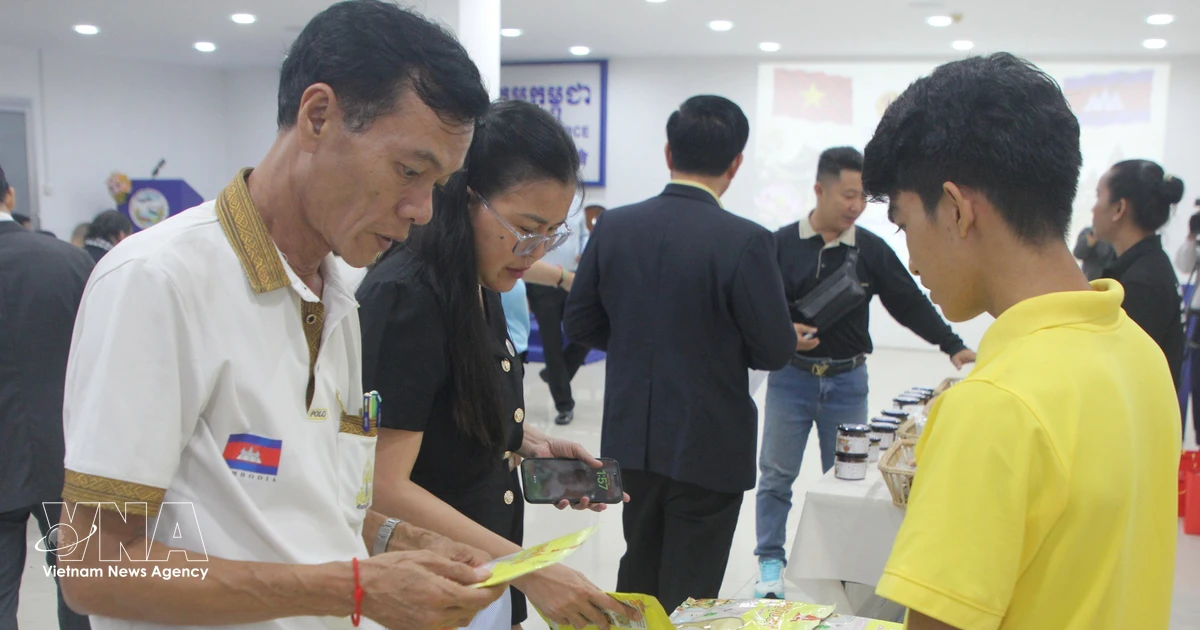
Vietnam, Cambodia Boost Cross-Border E-commerce to Spur Exports
Vietnam and Cambodia have agreed to promote cross-border e-commerce to reduce logistics costs and enhance competitiveness. Building on their traditional friendship, both nations aim for economic development and improved livelihoods for their citizens.
Vietnam and Cambodia have agreed to strengthen cross-border e-commerce, aiming to boost exports and accelerate economic growth. This collaboration is crucial for reducing logistics costs at international border gates, enhancing competitiveness, expanding market access, attracting investment, and fostering socio-economic development in both nations. Cambodian Prime Minister Hun Manet reaffirmed his commitment to preserving and further developing bilateral ties with Vietnam, aiming to elevate their traditional friendship to new heights for future generations. This move is significant given Vietnam's status as a leading global exporter of agricultural products like rice, coffee, and fruits, coupled with tightening sustainability requirements in key markets such as the US, EU, and Japan. To achieve its agricultural, forestry, and fishery export targets, Vietnam must expedite the strengthening of traceability systems, particularly for key export commodities and high-value products destined for major markets like the EU, US, and China. Digital transformation, AI, traceability, and e-commerce are expected to play a vital role in improving product quality, meeting market demands, and boosting the competitiveness of Vietnam's agricultural sector. Furthermore, Vietnam needs to enhance its comprehensive approach to supporting Small and Medium-sized Enterprises (SMEs), including improving institutions, making financial support tools more effective, and reshaping the financial system to better suit SME characteristics. In the energy sector, building a sustainable energy ecosystem that integrates clean power generation, energy storage, smart grids, and recycling chains, alongside the transition from fossil fuels to renewables, is critical for achieving carbon neutrality targets by 2050. Economically, the latest survey by EuroCham shows European business confidence rebounding to its highest level in nearly seven years, driven by stronger demand despite global uncertainty. The Vietnamese government plans to focus on eight key priorities to achieve its annual growth targets and keep average inflation around 4.5%, despite rising external risks from the Middle East conflict and unpredictable natural disasters. Information source: VietnamPlus English
多角的分析
ベトナムとカンボジアの越境EC協力強化は、ASEAN域内貿易の活性化というマクロ経済的視点から重要である。特に、両国が農産物輸出に強みを持つことを考えると、ECプラットフォームの活用は、中小零細企業が直接消費者にアクセスする機会を増やし、サプライチェーンの効率化に寄与する。これは、ベトナムが目指す輸出目標達成、特に持続可能性要求の高まりに対応するためのトレーサビリティ強化とも連動する。また、エネルギー移行とSME支援は、ベトナム経済の構造改革と持続可能な成長戦略の根幹をなすものであり、国際的な投資を呼び込む上でも不可欠な要素となる。
越境ECの推進は、物流コストの削減と市場アクセスの拡大を通じて、ベトナムおよびカンボジアの輸出関連企業にとって新たな収益機会をもたらす。投資家は、ECプラットフォーム運営企業、物流サービスプロバイダー、そして輸出に強みを持つ農産物・製造業セクターに注目すべきである。欧州企業の信頼感回復は、ベトナムへの直接投資(FDI)の増加を示唆しており、特に製造業やテクノロジー分野への投資が期待できる。エネルギー移行への投資は、再生可能エネルギー関連企業や、エネルギー貯蔵、スマートグリッド技術を持つ企業にとって長期的な成長ポテンシャルを秘めている。
越境ECの発展は、両国の消費者にとってより多様な商品へのアクセスを可能にし、価格競争を促進することで生活水準の向上に貢献する可能性がある。カンボジアにおける魚の重要性(タンパク質摂取の約76%を占め、約200万人の生計を支える)は、食料安全保障と地域社会の安定に直結しており、輸出入の効率化がこれらの側面にも影響を与える可能性がある。中小企業(SME)への支援強化は、雇用創ちや地域経済の活性化に不可欠であり、国民生活の安定に直接寄与する。エネルギー移行は、将来世代のための環境保護という側面だけでなく、地域社会における健康や生活環境の改善にも繋がる。
越境ECの強化は、ハノイやホーチミン市のような都市部だけでなく、地方の小規模事業者や農家が、これまでアクセスできなかった国内外の市場に直接製品を販売できる機会を広げる。これにより、彼らの収入源が多様化し、経済的自立を促進する。また、SME支援の強化は、多くの国民が働く場である中小企業の安定と成長に繋がり、雇用機会の創出と維持に貢献する。エネルギー移行は、長期的に大気汚染の低減や、よりクリーンな生活環境への期待をもたらす可能性があるが、短期的なコスト負担やインフラ整備の遅れが懸念される場合もある。
背景・歴史的文脈
ベトナムとカンボジアは、長年にわたり緊密な外交関係を維持してきた。特に、ベトナム戦争後のカンボジアにおける政治的安定化への貢献は、両国間の信頼関係の基盤となっている。経済面では、ASEAN加盟国として地域経済統合を進める中で、越境貿易の円滑化は共通の課題である。近年、ベトナムはデジタル経済への移行を加速させ、EC市場が急速に拡大している。カンボジアも、経済発展のためには輸出の多様化と効率化が不可欠であり、ベトナムとの連携は、地理的近接性と歴史的関係性を活かした自然な流れと言える。
原文ソース
VietnamPlus English