Myanmar airstrikes kill 8 civilians, including 4 children, days after Min Aung Hlaing renews peace offer
Security
2026年6月29日
2
DVB

Myanmar airstrikes kill 8 civilians, including 4 children, days after Min Aung Hlaing renews peace offer

AI サマリー

At least eight civilians, including four children, were killed and more than 20 others injured on Sunday when the Myanmar Air Force launched two devastating airstrikes on a defenseless village in the Sagaing Region. The

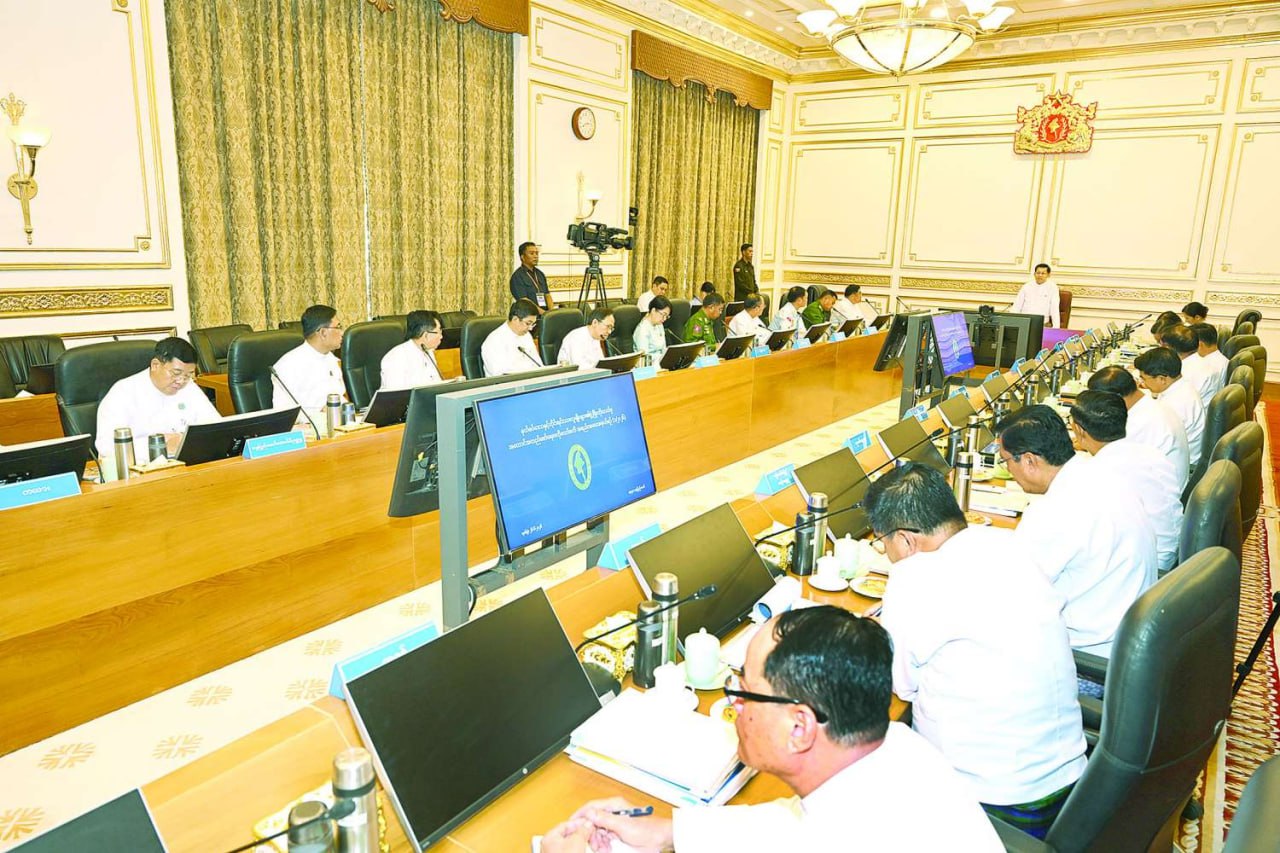
At least eight civilians, including four children, were killed and more than 20 others injured on Sunday when the Myanmar Air Force launched two devastating airstrikes on a defenseless village in the Sagaing Region. The lethal bombardment occurred just 48 hours after the military regime’s newly inaugurated president, Min Aung Hlaing, publicly renewed his offer for “unconditional peace talks” with ethnic resistance forces—a juxtaposition that critics say exposes the hollow nature of his attempt at diplomacy. The slaughter at Talaing village According to local residents and representatives from the People’s Defence Force (PDF), the airstrikes targeted Talaing village, located in Sagaing Township about 67 miles (107 km) east of the regional capital, Monywa. The strikes completely leveled five residential homes and sent shrapnel ripping through populated civilian areas. The PDF told DVB that there was no active ground combat or military provocation occurring anywhere near Talaing village at the time of the aerial assault. The wider township remains a highly contested frontline zone between regime forces and resistance groups operating under the command of the civilian-led National Unity Government (NUG). The duplicity of the Naypyidaw ‘Peace Offer’ The bloody weekend assault directly undermines state media narratives from Friday. During a high-level meeting on border region development in the capital Naypyidaw, Min Aung Hlaing had explicitly called on Ethnic Armed Organizations (EAOs) to engage in “unconditional peace talks” before a self-imposed deadline of July 31. Min Aung Hlaing, who formally transitioned from military commander-in-chief to president following a tightly controlled pro-military parliamentary inauguration on April 10, also issued a 100-day ultimatum demanding that the PDF disband and “return to the legal fold.” During the meeting on June 26, Min Aung Hlaing blamed resistance forces for violating previous ceasefires, accusing them of using pauses in fighting to remobilize their troops. The 2025 Ceasefire Precedent ├── March 28, 2025: Devastating earthquake hits central Myanmar ├── April 2, 2025: Military declares a unilateral temporary ceasefire └── June 30, 2025: Ceasefire expires after multiple extensions and documented military violations Independent observers have long dismissed the regime’s peaceful rhetoric as a tactical ruse designed to fracture the resistance. “The peace offer basically amounts to an ‘exchange of arms for peace,’” Richard Horsey, senior Myanmar advisor at the International Crisis Group (ICG), previously noted regarding the junta’s diplomatic strategy. A relentless air campaign over central Myanmar The attack on Talaing village is part of a massive, bloody air campaign sweeping through Myanmar’s central dry zone. Civilians across the Sagaing, Mandalay, and Magway regions have consistently borne the brunt of the regime’s superior air power. June 27 (Madaya Township): Just one day prior to the Sagaing massacre, airstrikes hit Yelalkyun village, located 24 miles north of Mandalay. A local couple was grievously mutilated while working in an area devoid of active conflict; the husband lost his hand, and his wife lost her arm. June 16 (Wetlet Township): A mother was killed and two of her children were severely injured in Wetluai village when the military deployed two Unmanned Aerial Vehicles (UAV) designed to detonate upon impact, more commonly known as “suicide” drones. The human toll: Counting the cost of the ‘peace’ era Data compiled by DVB reveals that the regime’s verbal commitment to peace has correlated with a massive spike in localized violence. Since Min Aung Hlaing first introduced his updated peace framework on April 20, military actions have claimed hundreds of lives. Despite the regime’s multi-tiered surveillance dragnet and shifting aerial tactics—which now utilize heavy bombers, armed paramotors, and gyrocopters—local governance structures under the NUG maintain that the population’s resolve has only hardened with each passing airstrike. Explore our Dry Zone Watch database. The post Myanmar airstrikes kill 8 civilians, including 4 children, days after Min Aung Hlaing renews peace offer appeared first on DVB.

多角的分析

経済的影響

直接の経済ニュースではありませんが、治安と司法の信頼は地域経済の土台です。職場での暴力や未成年者保護への不安が強まると、夜間営業、観光、雇用、地域サービス業のリスク認識が高まります。

投資家心理

投資家目線では、個別事件よりも法執行の予見可能性が焦点です。加害者への対応が曖昧になれば、ローカルビジネスの統治リスクや従業員保護の弱さとして評価されやすくなります。

社会的影響

タライン村で問われるのは、加害者個人だけでなく、雇用主、警察、近隣社会が被害のサインをどう扱ったかです。軍が声を上げたことで、事件は噂話ではなく、記録され検証される公共問題に変わります。

市民の声

市民にとっては、自分や家族が被害に遭った時に公正な手続きへアクセスできるのかが最大の関心です。地域団体が声を上げることで、事件の風化を防ぎ、被害者側の孤立を和らげる意味があります。

背景・歴史的文脈

このニュースは、ミャンマーの地域社会で法の支配と弱者保護がどこまで機能しているかを映す事案です。暴力事件そのものに加え、女性団体や市民社会が司法手続きを求めて声を上げている点が重要です。軍政下では警察・司法への信頼が揺らぎやすく、個別事件が地域の不安や統治への不信に直結します。

原文ソース

DVB

原文を読む