General articles are free for 24 hours after publish.
Cambodia Garment Unions Propose Up to 19% Wage Hike Amidst Factory Resistance
Cambodian garment and footwear unions have proposed a significant minimum wage increase for 2027, but factory owners are resisting, leading to difficult negotiations. The government's decision is awaited, balancing export competitiveness with worker living standards.
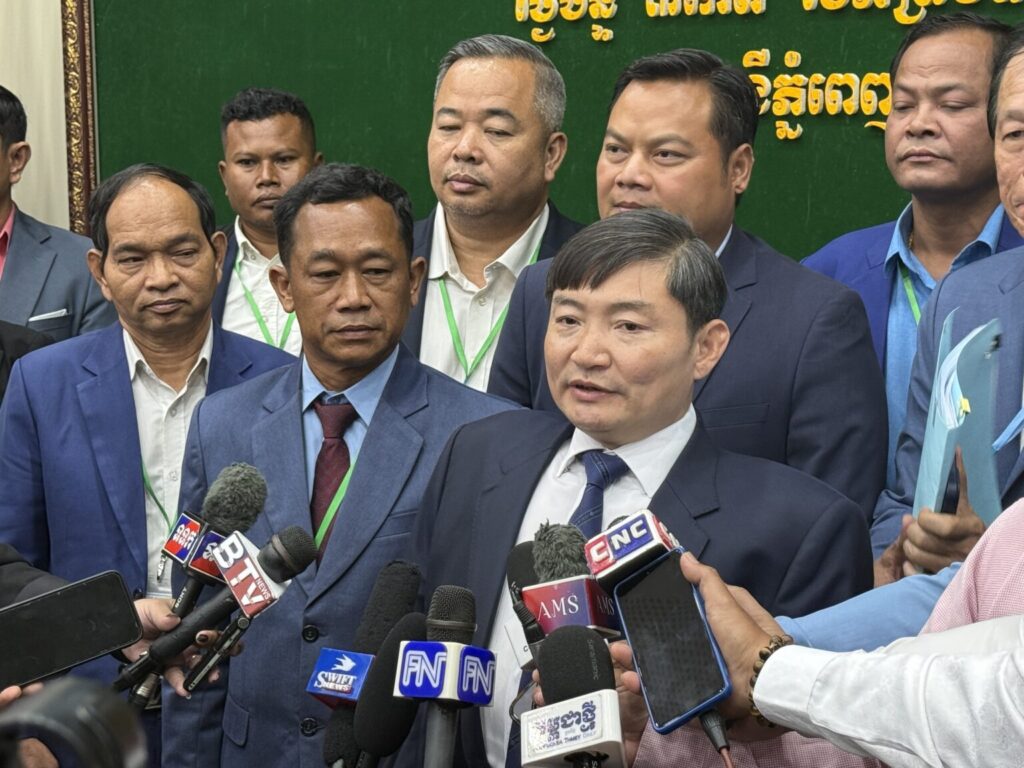
PHNOM PENH, Sept 14, 2026 (KPT) — Cambodian garment worker unions have proposed raising the minimum wage by as much as 19 percent for 2027, while factory owners are resisting any increase, officials said Monday after the opening round of annual wage talks. Unions representing workers in the textile, garment, footwear and travel goods sectors tabled two competing figures during a tripartite meeting of the National Council on Minimum Wage, chaired by Labour and Vocational Training Minister Heng Sour. Most unions called for a new wage of $225.30 a month, up $15.30 from the current $210 minimum. A smaller bloc pushed for a larger rise to $250.60, equivalent to a 19 percent increase. Employer representatives did not propose a new figure, instead requesting that the current rate be maintained. Sour said employers argued they had already added $2.50 in a previous round to offset transport costs. The current $210 minimum wage took effect in January 2026, a modest increase from $208 in 2025. Kaing Monika, deputy secretary general of the Textile, Apparel, Footwear and Travel Goods Association in Cambodia (TAFTAC), said the tripartite discussions must reflect broader economic conditions. “A lot of things to consider from the perspective of the country’s general economic situation, not limited to the GFT sectors. Any wage level decided for the GFT sectors could have big ramifications on other sectors as well,” he told KPT English. Bora Chhay, managing director of BGA Cambodia, a strategic advisory firm based in Washington, D.C., said Cambodia’s wage levels are shifting in relation to other Asian manufacturing countries but stressed this does not necessarily reduce competitiveness. “Wages are one factor in the broader competitiveness picture, alongside productivity, infrastructure, logistics, skills, energy and other business costs,” he wrote. Monday’s session marked the opening positions in this year’s negotiations. Officials said both sides would hold further internal discussions before a follow‑up tripartite meeting scheduled for September 18 to try to reach a common figure for 2027. Cambodia’s garment, footwear and travel goods industries remain among the country’s largest employers and export earners, though the government has said it is seeking to diversify into higher‑value manufacturing sectors such as electronics and automotive assembly. The wage talks come as Cambodia’s exports have grown more than 20 percent so far this year, according to customs data. The country is also preparing for its scheduled graduation from Least Developed Country status in 2029, when it is due to lose preferential trade access that has underpinned much of its garment export growth. Officials say the outcome of the wage negotiations will be closely watched by workers, manufacturers and international buyers, whose sourcing decisions are influenced by production costs and Cambodia’s competitiveness in the global supply chain.
Original source
Kampuchea Thmey English