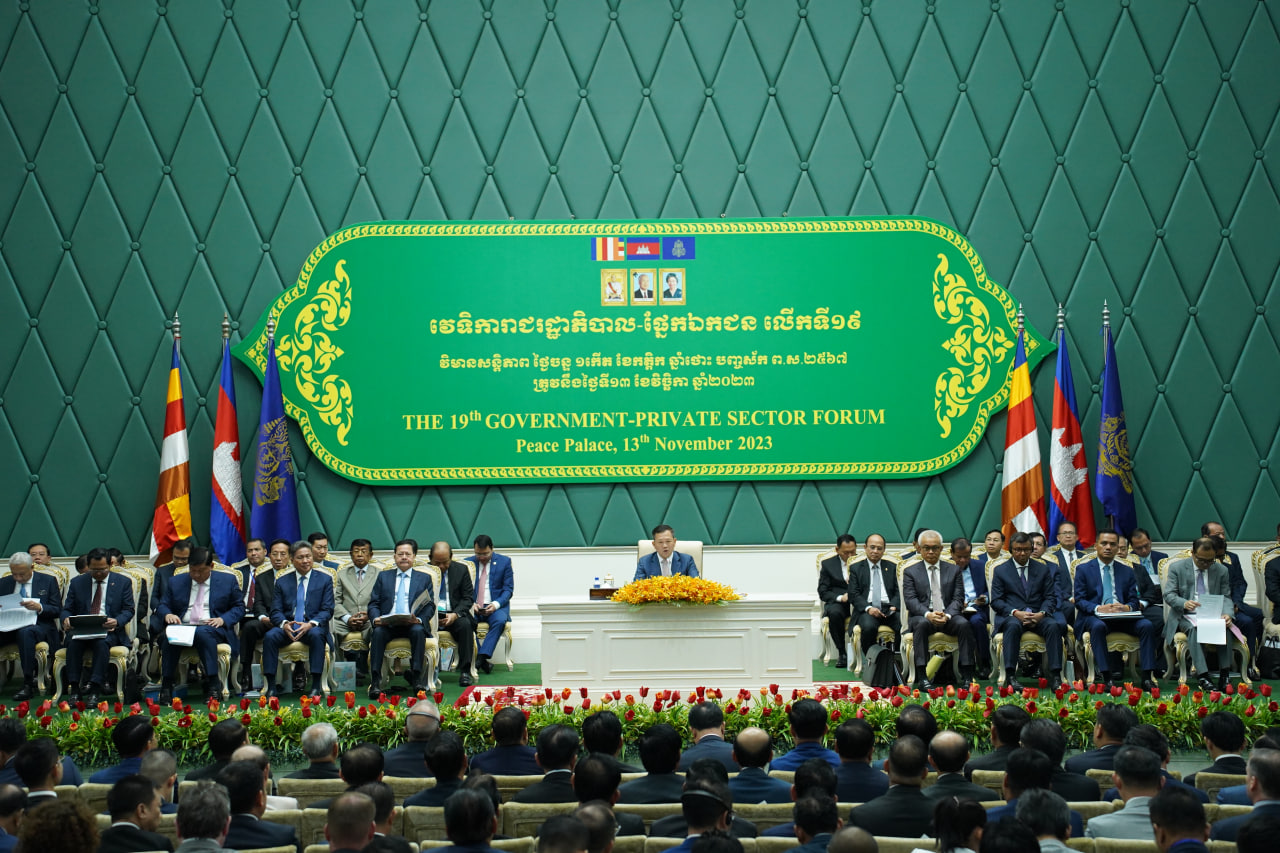
Cambodia's SME Policy Conundrum: Bridging the Gap Between Vision and Reality
Despite numerous SME support policies in Cambodia, entrepreneurs express fatigue, calling for policy consistency and tacit implementation rather than announcements. A perceived divergence between the government's growth incentives and tax authorities' revenue collection focus is creating burdens for SMEs.
This article requires PRO
This article is outside the free access window or is a special report. PRO unlocks it and the full archive.
Related articles
- Vietnamese Prime Minister to Visit Cambodia for Official Talks
Vietnamese Prime Minister Le Minh Hung will conduct an official visit to Cambodia from October 9-10. During his meeting with Cambodian Prime Minister Hun Manet, discussions will focus on strengthening bilateral relations, expanding cooperation, and addressing regional and international issues.
- Vietnamese Prime Minister to Make Official Visit to Cambodia October 9-10
Vietnamese Prime Minister Le Minh Chinh will pay an official visit to Cambodia from October 9-10, at the invitation of Cambodian Prime Minister Hun Manet. The leaders are expected to discuss strengthening bilateral relations and regional/international issues.
- Cambodia Kicks Off Voter Registration for Upcoming Election
The National Election Committee (NEC) of Cambodia announced the commencement of voter list verification and new registration from October 7 to November 30, 2026, a 55-day period. This crucial process for the general election scheduled for June 6, 2027, will be conducted daily, including weekends, at communes and districts nationwide.
- Cambodia Partners with 'The Better Cambodia' to Enhance International Outreach
Cambodia's Ministry of Information has agreed to cooperate with the private organization 'The Better Cambodia' in four key areas. The organization reaches approximately 60,000 international viewers monthly, primarily from India, Singapore, and the US, showcasing Cambodia's tourism, investment, and development. This partnership aims to boost Cambodia's international visibility and outreach.