General articles are free for 24 hours after publish.
Seblak Vendors Sue Halal Certification Rules at Constitutional Court
Seblak vendors in Indonesia have filed a lawsuit at the Constitutional Court challenging new regulations on food halal certification. The vendors argue that the complexity and cost of the certification process burden small and micro businesses, hindering their ability to operate.
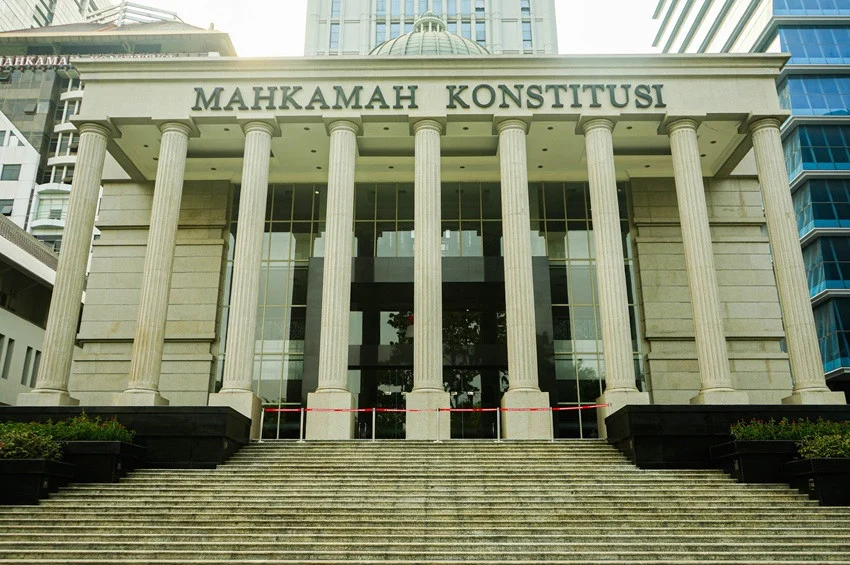
Vendors of "seblak," a popular spicy noodle dish in Indonesia, have reportedly filed a lawsuit at the Constitutional Court (MK) challenging new government regulations on food halal certification. This lawsuit stems from concerns that the government's policy mandating halal certification for food products places an excessive burden, particularly on small and micro-enterprises. Seblak vendors claim that the complexity of the certification process and its associated economic costs are hindering their daily business operations. In Indonesia, halal certification for food is deeply rooted in the religious and cultural practices of the predominantly Muslim population and is considered important for food safety and consumer protection. However, the recent regulatory changes appear to have aimed at stricter certification processes and the introduction of new standards. While such moves could affect the entire food industry, concerns are particularly high for street food and local dishes like seblak, which are often operated by individual owners or small-scale establishments. The plaintiffs, while acknowledging the necessity of the certification system for gaining consumer trust, argue that the current system design does not align with the realities faced by small and micro-businesses. They are likely seeking a review of the process to make it more accessible and economically feasible. The outcome of this case could have implications not only for the future of food halal certification in Indonesia but also for the overall business environment for small and micro-enterprises, making its development a point of significant interest. Source: Sindonews
Original source
Sindonews