Consumers Upbeat, Businesses Cautious Amid Falling Fuel Prices
Thailand's consumer confidence index rose for the first time in four months in June, while the business sentiment index declined. Falling fuel prices boosted consumer purchasing power, but businesses remain cautious due to rising costs and external factors.
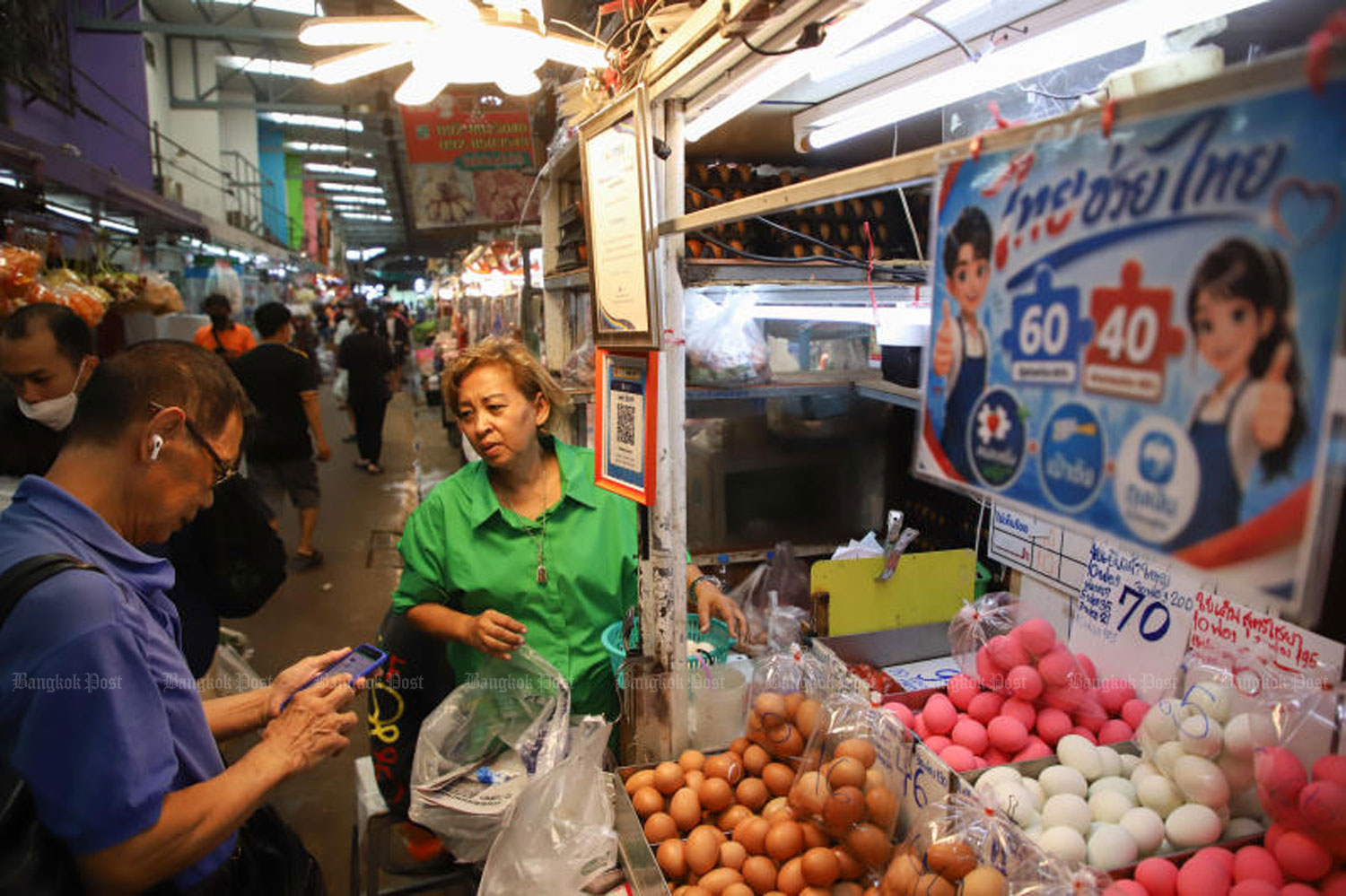
Consumers upbeat, businesses cautious Lower fuel prices ease cost pressures PUBLISHED : 10 Jul 2026 at 05:34 NEWSPAPER SECTION: Business WRITER: Kuakul Mornkum Consumer confidence rebounded for the first time in four months in June, supported by falling oil prices and the implementation of the "Thai Chuay Thai Plus" (Thais Help Thais) co-payment scheme, according to the University of the Thai Chamber of Commerce (UTCC). The consumer confidence index (CCI) tallied 50.7 in June, according to a survey by the UTCC's Center for Economic and Business Forecasting. Meanwhile, the Thai Chamber of Commerce confidence index (TCC-CI), based on a survey of 369 business operators nationwide, was 41.4, down 0.3 points from May and roughly three points below the level recorded before the Middle East conflict began, at 44.5 in February. Thanavath Phonvichai, president of the UTCC, said the mismatch between the rising CCI and declining TCC-CI in June highlighted differing economic perceptions among consumers and business operators. For consumers, stimulus measures, particularly the co-payment scheme, have injected money into the economy and increased purchasing power. The easing of tensions in the Middle East and the drop in fuel prices from recent highs have helped improve consumer sentiment. In contrast, despite the government's 50-billion-baht injection through the co-payment scheme, business operators believe the support has been inadequate to offset rising operating costs. Sluggish border trade and weak foreign arrivals continue to weigh on business confidence, contributing to the negative outlook reflected in the TCC-CI. He said business operators remain in a wait-and-see mode, looking for clear signs of recovery such as a permanent resolution to the Middle East conflict. "If a permanent ceasefire is achieved, the Thai government addresses the energy pricing structure, and stimulus measures continue, consumer spending power should recover by the end of the third quarter," said Mr Thanavath. During the previous co-payment scheme, which ran from late October to December 2025, many Thais viewed the subsidy as "extra money", he noted. As a result, some consumers spent more or purchased non-essential items. However, perceptions have changed under the current co-payment scheme because of the impact of the Middle East conflict, said Mr Thanavath. Consumers now see the subsidy as financial relief to help offset the higher cost of living, making them more likely to spend it on daily necessities.
多角的分析
6月の消費者信頼感指数の回復は、主に燃料価格の下落と政府の共同購入支援策による一時的な購買力向上によるものと見られる。しかし、企業景況感指数の低下は、これらの刺激策が事業コストの上昇を十分に相殺できていないこと、および国際情勢の不確実性が依然として経営者の楽観を抑制していることを示唆している。特に、国境貿易の不振や外国人観光客の回復の遅れは、タイ経済の構造的な課題を浮き彫りにしている。
投資家は、消費者心理の改善を好意的に受け止める可能性があるが、企業景況感指数の低下は警戒信号となる。燃料価格の安定化はインフレ圧力を緩和し、中央銀行の利上げ圧力を軽減する可能性があるが、地政学リスクの継続や、政府の刺激策の効果が一時的である可能性は、タイ株式市場や債券市場への投資判断においてリスク要因となる。中東紛争の長期化や、タイの輸出・観光セクターへの影響がさらに拡大するシナリオも考慮する必要がある。
共同購入支援策に対する消費者の認識の変化は、タイ社会における生活費の高騰が人々の購買行動に与える影響の大きさを物語っている。かつては「お小遣い」として捉えられていた補助金が、今では生活必需品の購入に充てられる「救済策」となっていることは、多くの家庭が経済的圧迫に直面している現状を示唆する。この状況は、特に低所得者層の生活水準に直接的な影響を与え、社会的な格差の拡大につながる懸念もある。
消費者心理の改善は、日々の生活費の負担が少しでも軽くなったと感じている市民の声の反映と言える。特に、ガソリン価格の安定は、交通費の節約につながり、家計に余裕をもたらす。しかし、企業側の慎重な見方は、雇用や賃金への影響がまだ限定的であることを示唆しており、多くの市民は依然として将来への不安を抱えている可能性がある。共同購入支援策が、一時的な安心感をもたらす一方で、根本的な経済問題の解決には至っていないという現実が浮き彫りになっている。
背景・歴史的文脈
タイ経済は、新型コロナウイルスパンデミックからの回復途上にあり、インフレ圧力と国際的な地政学リスクに直面してきた。特に2022年以降、原油価格の高騰はタイの輸入物価を押し上げ、消費者物価指数(CPI)を上昇させた。これに対し、タイ政府は共同購入支援策などの財政出動で消費を下支えしようとしてきた。しかし、中東紛争の再燃は、再びエネルギー価格の不安定化を招き、タイ経済の回復ペースに影響を与えている。消費者心理の改善は、これらの外部要因の緩和による一時的な効果の可能性が高い。
原文ソース
Bangkok Post