Optimal Placement for Child Car Seats in Vietnam: A Guide
The optimal placement of child car seats is a point of discussion among parents in Vietnam. While the center rear seat is ideal for maximum safety, practicality often leads to installation behind the driver or front passenger seat. Each position has its own advantages and disadvantages, requiring careful consideration, especially given Vietnam's traffic conditions.
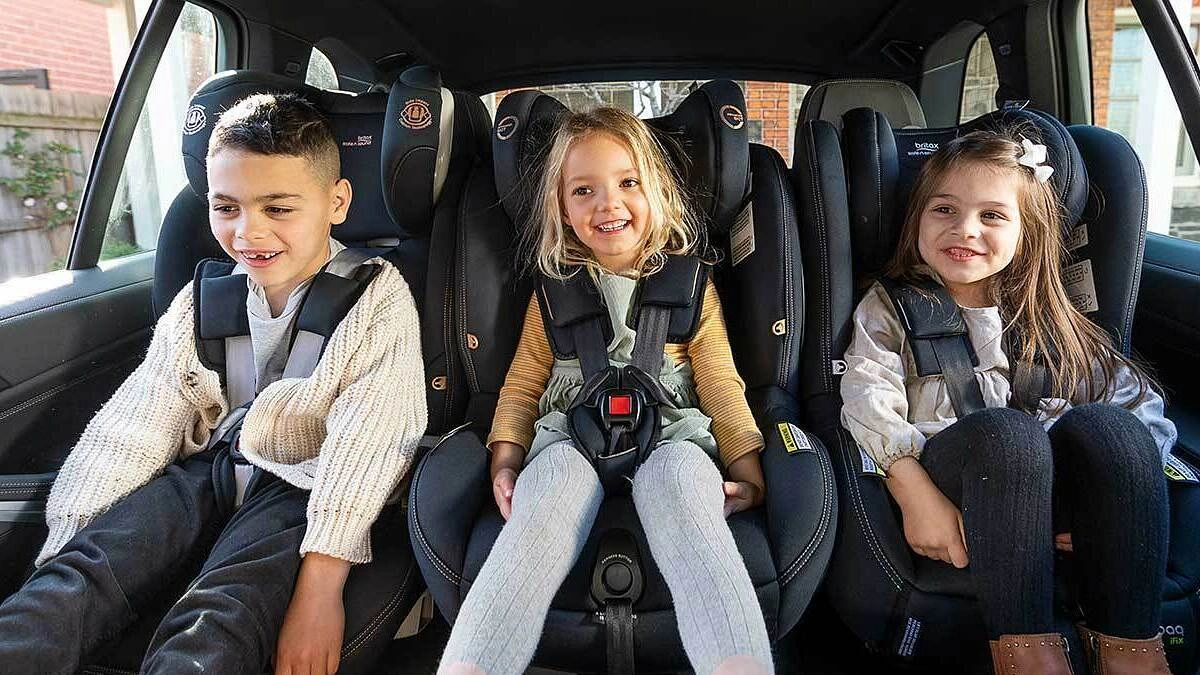
The optimal placement for child car seats in vehicles is a topic of discussion among many families in Vietnam who are beginning to use these safety devices. While numerous studies indicate that the center rear seat offers the highest level of protection in the event of a collision, due to its distance from the vehicle's sides, not all car models can securely accommodate a child seat in this position owing to limitations in ISOFIX anchor points or seat design. In practice, most users opt for one of two positions: behind the driver's seat or behind the front passenger seat, each with its own set of advantages and disadvantages. Positioning the child seat behind the front passenger seat is often favored by many Vietnamese families when only one seat is installed. In left-hand drive vehicles, the right rear door typically opens onto the sidewalk. This allows adults to safely place children in or take them out of the car on the pavement, reducing the risk of exposure to traffic. This position also enables drivers to easily monitor children via the rearview mirror. Furthermore, placing the child seat behind the front passenger provides ample space for seat adjustments, particularly beneficial in vehicles with limited rear-seat legroom or for taller drivers. However, a drawback of this placement is that the child seat occupies space, making it less convenient for adults to enter or exit the rear seat from the sidewalk, especially on busy roads or when space to open the door is restricted. When exiting from the right side, adults must carefully check for approaching vehicles to avoid collisions. Opting for the position behind the driver's seat offers the advantage that adults can enter or exit the vehicle from the sidewalk if the child seat is placed there. This facilitates easier and safer access, avoiding the need to open doors towards the flow of traffic. The disadvantage arises when parking close to the curb; it can be less convenient to get children in or out if adults wish to use the right-side door for safety. If children are removed from the left rear door, adults and children will be closer to the traffic flow, necessitating careful observation to prevent collision risks. These recommendations apply when only one child seat is installed. For families with two or more children, the placement will depend on the number of seats, the design of the rear bench, ISOFIX anchor locations, and the specific guidelines provided by both the vehicle manufacturer and the child seat producer.
多角的分析
ベトナムの自動車市場は成長を続けており、それに伴いチャイルドシートのような安全装備への関心も高まっている。これは、所得向上と安全意識の高まりという経済的背景によるものと考えられる。自動車メーカーやチャイルドシート販売業者は、こうした市場のニーズに応える形で、製品ラインナップの拡充や安全機能に関する情報提供を強化する必要がある。特に、ベトナム特有の交通環境(バイクの多さ、道路状況など)を考慮した製品開発や啓発活動が、今後の市場拡大の鍵となるだろう。
ベトナムにおけるチャイルドシートの普及は、自動車関連産業への投資機会を示唆している。安全意識の高まりは、単に自動車本体だけでなく、関連アクセサリー市場の成長も牽引する。チャイルドシートメーカーや、それらを輸入・販売する企業にとって、ベトナム市場は魅力的な投資先となり得る。ただし、現地の規制や消費者の価格感度、さらには偽造品のリスクなども考慮した慎重な市場参入戦略が求められるだろう。将来的には、現地生産や合弁事業なども視野に入れるべきかもしれない。
ベトナムでは、自動車の普及に伴い、子供の安全に対する保護者の意識が変化している。従来はバイクが主要な移動手段であったため、子供を抱いて乗せることも一般的だったが、自動車の普及により、チャイルドシートの必要性が認識され始めている。しかし、設置場所に関する議論は、単なる安全性の問題に留まらず、都市部での駐車スペースの制約や、交通量の多い道路での乗り降りの際の不安といった、ベトナム特有の社会インフラや生活環境に根差した課題を浮き彫りにしている。特に、歩道が狭い、あるいは存在しない地域では、安全な乗り降りのための工夫が不可欠となる。
ベトナムの市民、特に子育て世代は、子供の安全を最優先に考えながらも、日々の生活における利便性も重視している。チャイルドシートの設置場所を選ぶ際には、安全性が高いとされる中央席への設置が理想であることは理解しつつも、現実的には、子供を乗せ降ろしする際の安全性(歩道側か、交通量が多い側か)や、家族構成、車のスペースなどを総合的に考慮して判断している。特に、都市部では交通渋滞や駐車スペースの問題も、チャイルドシートの設置場所選択に影響を与えている。
背景・歴史的文脈
ベトナムでは、経済成長に伴い自動車保有台数が急速に増加している。かつてはバイクが主要な移動手段であったが、所得向上とともに自動車購入層が拡大。これに伴い、自動車の安全機能、特に子供の安全を守るチャイルドシートへの関心が高まっている。しかし、ベトナムの都市部における交通インフラは、自動車の普及速度に追いついていない側面があり、歩道の狭さや駐車スペースの不足などが、チャイルドシートの設置場所選択における現実的な課題となっている。保護者は、安全性を最優先しつつも、日々の生活における利便性や、ベトナム特有の交通環境でのリスクを考慮して、最適な設置場所を模索している状況である。
原文ソース
VnExpress