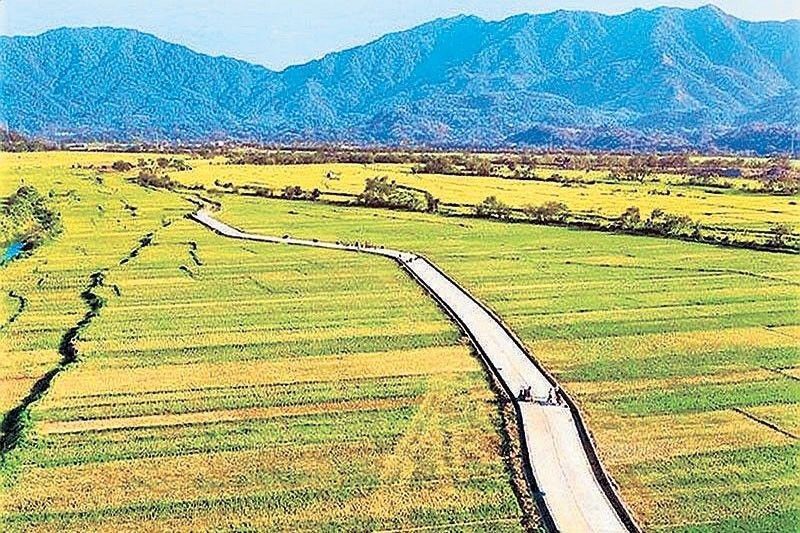
Philippines Approves P2 Billion Farm-to-Market Road Projects
The Philippines' Department of Agriculture has approved P2.06 billion worth of farm-to-market road projects under the World Bank-supported PRDP Scale-Up program. The initiative will construct over 66 kilometers of rural roads and 310 meters of bridges, aiming to improve farmers' market access and reduce logistics costs.
MANILA, Philippines — The Department of Agriculture has approved the implementation of P2.06 billion worth of farm-to-market roads, funded under the World Bank’s Philippine Rural Development Program (PRDP) Scale-Up. The project covers more than 66 kilometers of rural roads and 310 linear meters of bridges that could connect farming communities in the provinces of Zambales, Oriental Mindoro, Masbate, Samar, Bukidnon and North Cotabato. Agriculture Secretary Francisco Tiu Laurel Jr. said the approval was part of the agency’s plans to strengthen the local agri-food supply chain and reduce high logistics costs due to inadequate rural infrastructure. “These projects will improve the lives of farmers and fisherfolk, lower their expenses and give them better access to markets,” he said. Tiu Laurel said the approved bridge projects are the “most transformative component of the program,” as they would replace river crossings that become impassable or dangerous during storms. The World Bank-funded PRDP Scale-Up seeks to fund the construction of more agricultural infrastructure like farm-to-market roads, as well as irrigation systems and post-harvest facilities aimed at strengthening the country’s agricultural value chain. Tiu Laurel said the PRDP Scale-Up remains “one of the government’s most demanding foreign-assisted programs because it adheres to stringent World Bank standards.” He added that the international lender has expressed interest to expand its support to the country once the government delivers results. He also called on local government units to continue preparing projects that would meet the World Bank’s standards to hasten the approval of future programs. The DA is looking to award the remaining projects under the PRDP Scale-Up by the end of the year. The agency noted that improved connectivity, modern post-harvest facilities and better irrigation systems would strengthen the country’s food supply chains, improve farm productivity and help ease price pressure on food.
多角的分析
このP20億ペソ規模の農産物輸送路整備プロジェクトは、フィリピンの農業セクターにおける構造的な課題である高い物流コストと市場へのアクセス不備に対処するものである。世界銀行の資金を活用し、農村部のインフラを改善することで、農産物の市場投入までの時間を短縮し、収穫後の損失を削減することが期待される。これは、農産物価格の安定化と、農家所得の向上に直接寄与する可能性があり、インフレ抑制策としても間接的な効果が見込まれる。過去にも同様のインフラ投資は行われてきたが、世界銀行の厳格な基準を満たす必要性から、プロジェクトの質と透明性が確保されることが期待される。
このインフラ投資は、フィリピンの農業バリューチェーン全体への信頼を高めるシグナルとなる。農産物の効率的な輸送と市場へのアクセス改善は、食品加工業や小売業といった川下産業のコスト削減と収益性向上に繋がりうる。また、農村部の経済活性化は、地域経済への投資機会を創出する可能性もある。世界銀行のような国際機関が関与し、厳格な基準が適用されることは、投資家にとってリスク低減要因となりうる。ただし、プロジェクトの進捗状況と、それが実際に農産物の生産性向上やコスト削減にどの程度貢献するかを注視する必要がある。
農村部のインフラ整備は、地方の農家や漁民の生活に直接的な恩恵をもたらす。これまで悪天候やインフラ不足で市場に農産物を届けられなかった人々が、より安定して収入を得られるようになることが期待される。特に、橋梁の建設は、孤立しがちな地域コミュニティの移動を容易にし、医療や教育へのアクセス改善にも繋がる可能性がある。しかし、プロジェクトの実施にあたっては、土地収用や環境への影響など、地域住民との丁寧な協議が不可欠である。また、整備された道路や橋梁が、地域住民の生活様式や経済活動にどのように長期的に影響を与えるかは、今後の注視点となる。
このインフラ整備は、地方の農家や漁民の生活を直接的に改善する可能性を秘めている。これまで、悪天候で市場に農産物を届けられなかったり、輸送コストが高すぎて利益が少なかったりといった課題を抱えていた人々にとって、朗報と言える。例えば、オリエンタル・ミンドロ州の離島に住む漁師は、これまで波の高い海を迂回して市場に魚を運んでいたが、新たに建設される橋によって、より安全かつ迅速に市場へアクセスできるようになるかもしれない。これにより、収入の安定化や生活水準の向上が期待される。一方で、プロジェクトの進捗や、整備されたインフラが地域社会の経済活動にどのように組み込まれていくかは、住民の生活実感として今後明らかになっていくだろう。
背景・歴史的文脈
フィリピンでは、地理的な要因やインフラの未整備により、農村部から都市部への農産物輸送に高いコストと時間がかかることが長年の課題となっている。特に、島嶼国家であるフィリピンでは、地域間の接続性が低く、収穫物の多くが市場に届く前に腐敗したり、輸送コストが価格に転嫁されたりする問題が深刻化してきた。世界銀行は、フィリピンの農村開発を支援するため、過去にもPRDPなどのプログラムを実施しており、今回承認されたPRDP Scale-Upは、その継続・拡充版である。このプログラムは、単なる道路建設に留まらず、灌漑システムや収穫後施設といった、農業バリューチェーン全体の強化を目指している。
原文ソース
Philstar Business