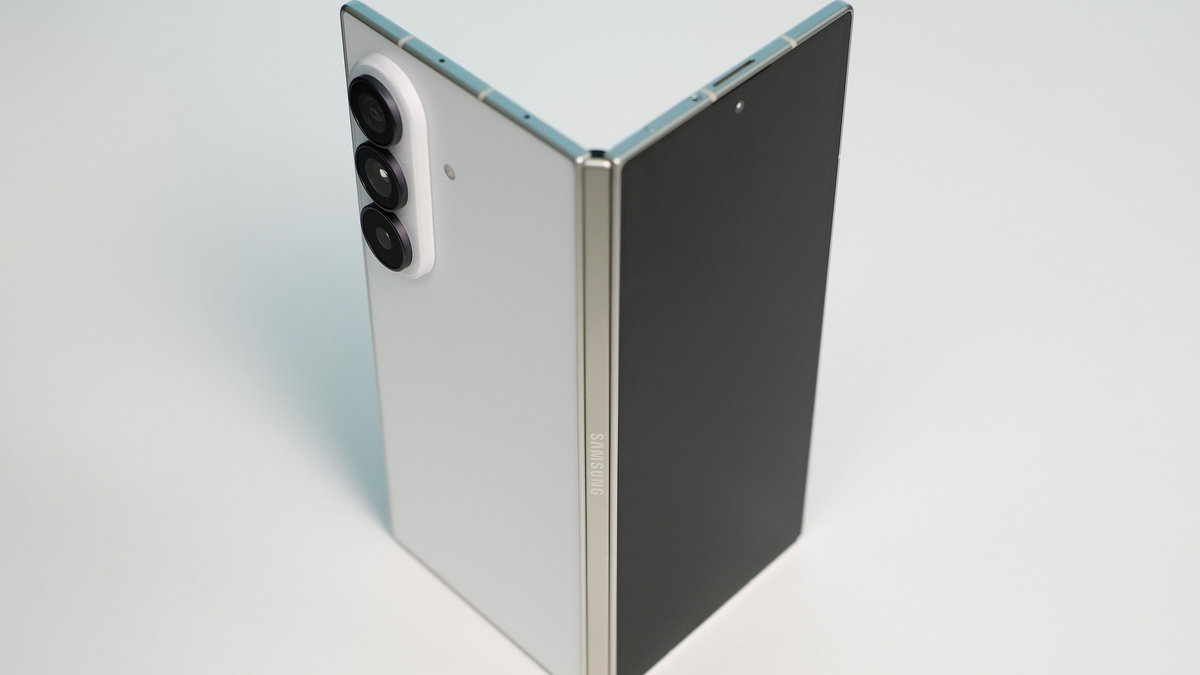
Samsung Debuts 'Ultra' Branding on Galaxy Z Fold8, Elevating Foldable Experience
Diplomacy
2026年8月1日
4
VnExpress

General articles are free for 24 hours after publish.

Samsung Debuts 'Ultra' Branding on Galaxy Z Fold8, Elevating Foldable Experience

Share
AI Summary

Samsung has introduced the 'Ultra' moniker to its Galaxy Z Fold8 series for the first time with the Galaxy Z Fold8 Ultra, emphasizing a premium foldable experience. The device aims to overcome traditional foldable limitations with a thinner, lighter design, advanced camera systems, and AI capabilities, striving for a flagship-tier user experience.

Samsung has introduced the 'Ultra' moniker to its foldable smartphone lineup for the first time with the Galaxy Z Fold8 Ultra, signaling a commitment to delivering a premium experience on a foldable device. For years, foldable phones have carved their own development path, offering users larger screens and multitasking capabilities but often compromising on thickness, weight, camera performance, or overall user experience compared to traditional bar-style smartphones. The Galaxy Z Fold8 Ultra aims to bridge this gap through advancements in design, display, performance, camera, and AI. The Galaxy Z Fold8 Ultra marks Samsung's inaugural foldable model to bear the 'Ultra' designation. Early generations of foldable phones tended to be thicker and heavier than their conventional counterparts due to the integration of dual screens, hinge mechanisms, and the need to ensure durability through hundreds of thousands of folds. In recent years, however, foldable phones have increasingly trended towards thinner and lighter designs. The Galaxy Z Fold8 Ultra achieves a thickness of just 4.1mm when unfolded and weighs 215 grams, making it comparable to, or even lighter than, some current top-tier bar-style smartphones. This reduction in size and weight is attributed to the adoption of a Flex Titanium structure, combined with an Armor Flex Hinge and Ultra Thin Glass (UTG). The Galaxy Z Fold8 Ultra is the first in the Galaxy Z Fold series to feature this construction, which not only reduces overall thickness but also enhances the screen's resilience. This shift reflects a broader market trend in foldable phones, focusing not just on slimness but also on optimizing the daily grip, usability, and device longevity. The large 8-inch main display boasts a peak brightness of 3,000 nits, an anti-reflective coating, and an improved crease, enhancing convenience for reading documents, processing text, or working outdoors. Powering these tasks is the flagship Snapdragon 8 Elite Gen 5 for Galaxy mobile processor, ensuring stable responsiveness for multitasking operations like opening multiple applications simultaneously with Multi Window, switching between windows, or handling substantial workloads. When connected to an external display via Samsung DeX, the device transitions to a desktop-like interface, supporting mouse and keyboard input for tasks such as word processing, spreadsheet management, presentations, or web browsing without the need for a laptop. Equipped with a 5,000 mAh battery and 45W fast charging, the device is well-suited to meet the continuous usage demands of users who frequently work and leverage the large screen for multitasking. Historically, camera performance has been a significant differentiator between foldables and traditional high-end smartphones. Due to space constraints for the hinge and displays, foldable models often lacked camera systems on par with their flagship counterparts. The Galaxy Z Fold8 Ultra narrows this disparity with a 200MP main camera and a 50MP ultrawide camera – specifications previously reserved for the Galaxy S Ultra series. The foldable design also offers unique advantages for content creation. Flex Mode allows for stable photo and video capture without additional accessories, and the large screen facilitates easier reviewing, selection, and editing of images directly on the device. Consequently, foldable phones are evolving from mere content consumption devices to capable tools for shooting, editing, and sharing. AI is becoming increasingly ubiquitous on smartphones. However, on traditional displays, utilizing AI tools often involves switching between multiple apps or reducing the visible content area. On foldable phones, the larger screen allows users to open documents, emails, or browsers alongside AI tools, enabling them to summarize documents, translate text, edit content, or search for information without constant app switching. The expansive display also makes AI interactions more intuitive. With integrated AI editing tools like Photo Assist, users can view the original and edited images side-by-side, minimizing screen transitions during fine-tuning. As AI becomes more deeply integrated into operating systems, the distinction lies not in the sheer number of features but in how AI seamlessly blends into workflows. On foldable phones, the large screen allows AI to support the entire workflow rather than just isolated tasks. For many years, each generation of foldable phones typically stood out with a few distinct improvements, often accompanied by certain trade-offs. The Galaxy Z Fold8 Ultra is the first Galaxy Z Fold model from Samsung to simultaneously integrate a thin and light design, high performance, an advanced camera system, and AI features into a single device. By introducing the 'Ultra' name to the Galaxy Z Fold series for the first time, Samsung aims to reflect the comprehensive evolution and refinement this product line has undergone over successive generations.

0

Original source

VnExpress

原文を読む