General articles are free for 24 hours after publish.
Rainfall Can Reduce Air Pollution Amid Haze From Indonesia, Says DENR-EMB
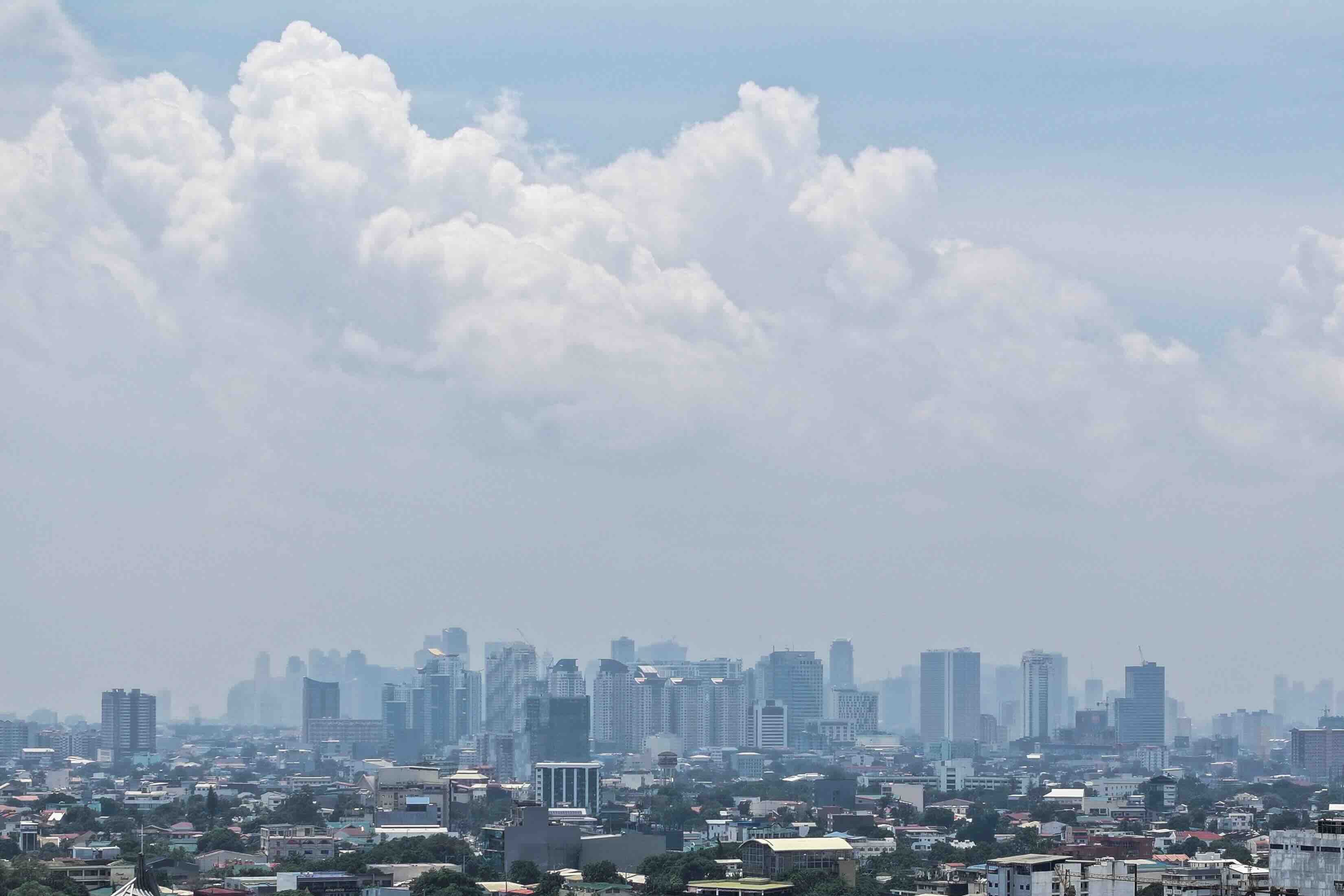
The Department of Environment and Natural Resources' Environmental Management Bureau (DENR-EMB) stated that rainfall can temporarily alleviate air pollution caused by haze from Indonesia by washing out pollutants. However, the persistence of haze depends on wind patterns and fire activity in Indonesia.
Periods of rain can help reduce air pollution levels amid the haze brought by forest fires from Indonesia, the Department of Environment and Natural Resources' Environmental Management Bureau (DENR-EMB) said. The department explained that the Southwest Monsoon or Habagat brings the smoke from Kalimantan to the country. "From September 1 to September 3, haze may continue to affect parts of the Philippines because smoke from Kalimantan is still being transported by the prevailing southwest monsoon (Habagat) while fires remain active," said Jundy del Socorro, chief of the Environmental Quality Management Division of DENR-EMB, in a message to reporters. "However, periods of rain can help reduce pollution levels by washing smoke particles and fine particulate matter (PM2.5) out of the atmosphere." "In general, a wet Habagat is beneficial for air quality. As long as the monsoon continues to bring moisture and rainfall, it helps suppress haze by removing suspended particulate matter from the atmosphere and reducing the concentration of smoke particles in the air," he added. Several areas in Metro Manila continue to record high concentration of PM 2.5, with 11 stations with "acutely unhealthy" air quality and four others with "very unhealthy" levels. But the DENR-EMB said that air quality could improve between September 4 to 6. "Between September 4 and September 6, air quality could gradually improve if rainfall remains widespread and wind patterns begin to shift. Rain is one of the most effective natural mechanisms for removing suspended particles from the air, which can lead to better visibility and lower haze concentrations," said Del Socorro. "Beyond September 6, conditions will depend primarily on whether the fires in Kalimantan continue to generate smoke, whether new hotspots emerge, and whether winds continue to carry smoke toward the Philippines," he added. The DENR-EMB added that it's been monitoring air quality as well in Central Luzon, Calabarzon, and Mimaropa. The agency advised the public to limit prolonged outdoor activities, especially those sensitive to air pollution. Local government units have also urged the residents to use face mask when going outside. —VAL, GMA News
Original source
GMA News Philippines