General articles are free for 24 hours after publish.
Yogyakarta Hosts Medical Congress to Strengthen Collaboration Against Digestive and Liver Diseases
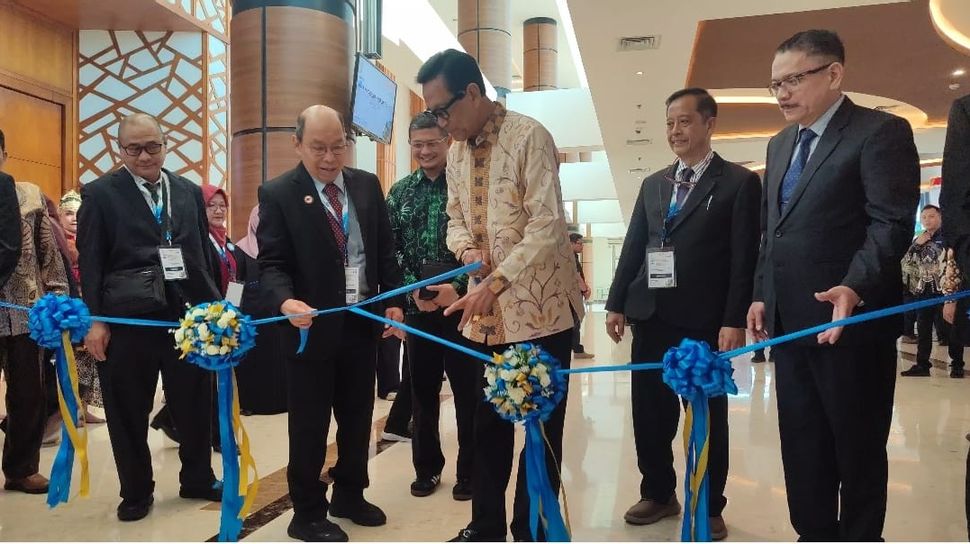
The Indonesian Heart Research Association (PPHI), Indonesian Gastroenterology Association (PGI), and Indonesian Gastrointestinal Endoscopy Association (PEGI) held a joint national congress in Yogyakarta from July 23-26, 2026. The event aims to strengthen collaboration in combating digestive and liver diseases and bridge research with clinical practice.
The Indonesian Heart Research Association (PPHI), Indonesian Gastroenterology Association (PGI), and Indonesian Gastrointestinal Endoscopy Association (PEGI) convened their joint National Congress (KONAS) and National Scientific Meeting (PIN) in Yogyakarta from July 23-26, 2026. The event, themed "Challenges and Innovations in Gastroenterohepatology: From Research to Clinical Practice," served as a strategic forum to strengthen collaboration in addressing the challenges of digestive and liver diseases across Indonesia and to bridge research findings with clinical practice. Sri Sultan Hamengku Buwono X, the Governor of the Special Region of Yogyakarta, welcomed the selection of Yogyakarta as the host city, expressing the full support of the DIY Regional Government. He stated that the congress aligns with the government's vision for health sector transformation driven by innovation and collaboration. The Governor hoped the event would not only advance scientific development but also improve the health status of the people of Yogyakarta and its surroundings, particularly through early detection of liver and digestive diseases. Prof. Dr. Ari Fahrial Syam, MMB, SpPD, K-GEH, FACP, FACG, FINASIM, Chairman of the PGI General Board, highlighted the increasing complexity of challenges in gastroenterology and hepatology. These include the rise of Metabolic Dysfunction-Associated Fatty Liver Disease (MAFLD), high rates of colorectal cancer, and the goal of hepatitis elimination. He emphasized that the congress provides a platform for updating physicians' competencies through symposia and scientific forums, aiming to produce more experts capable of meeting community needs. Dr. dr. Andri Sanityoso, SpPD, K-GEH, FINASIM, General Chairperson of the PPHI Board of Directors, underscored the importance of national collaboration to reduce the burden of chronic liver disease in Indonesia. PPHI is actively promoting evidence-based policies, such as optimizing hepatitis B screening in pregnant women and utilizing advanced diagnostic technologies like the PIVKA-II biomarker for early liver cancer detection. He described the congress as a concrete step towards accelerating the target of hepatitis elimination by 2030. Dr. dr. Achmad Fauzi, SpPD, K-GEH, FINASIM, General Chairman of the PEGI Board of Directors, focused on the rapid advancements in endoscopic technology and minimally invasive procedures for gastrointestinal and liver tract diseases. Participants engaged in workshops, including Live Demonstration Microwave Ablation and Simulation Based Mastery Learning on Polypectomy, to enhance their skills. PEGI aims to improve doctors' ability in early detection of colorectal cancer by increasing the Adenoma Detection Rate (ADR) to suppress mortality rates. The congress featured over 20 scientific sessions, simulation-based workshops, and demonstrations of current intervention procedures. International experts, including Prof. Shuichiro Shiina and Prof. Kenichi Ikejima from Japan, and Prof. Raja Affendi Raja Ali from Malaysia, shared their insights, fostering international research collaboration and enriching participants' understanding of best practices in gastroenterohepatology. In conjunction with World Hepatitis Day on July 26, 2026, the organizers held public health screenings and education sessions under the global theme "Hepatitis: Let's Break It Down" and the national theme "Expand Access, Strengthen Collaboration, Realize Hepatitis Elimination." These activities aimed to raise public awareness about the importance of early detection of liver disease. The KONAS & PIN PPHI-PGI-PEGI 2026 reaffirmed the commitment of PPHI, PGI, and PEGI to strengthen synergy among academics, clinicians, researchers, and the government to improve the quality of gastroenterohepatological healthcare services in Indonesia and accelerate the application of research findings into clinical practice for the betterment of community life. Source: VOI English
Original source
VOI English