General articles are free for 24 hours after publish.
ASEAN Urged to Bolster Food Security Amid Geopolitical Risks
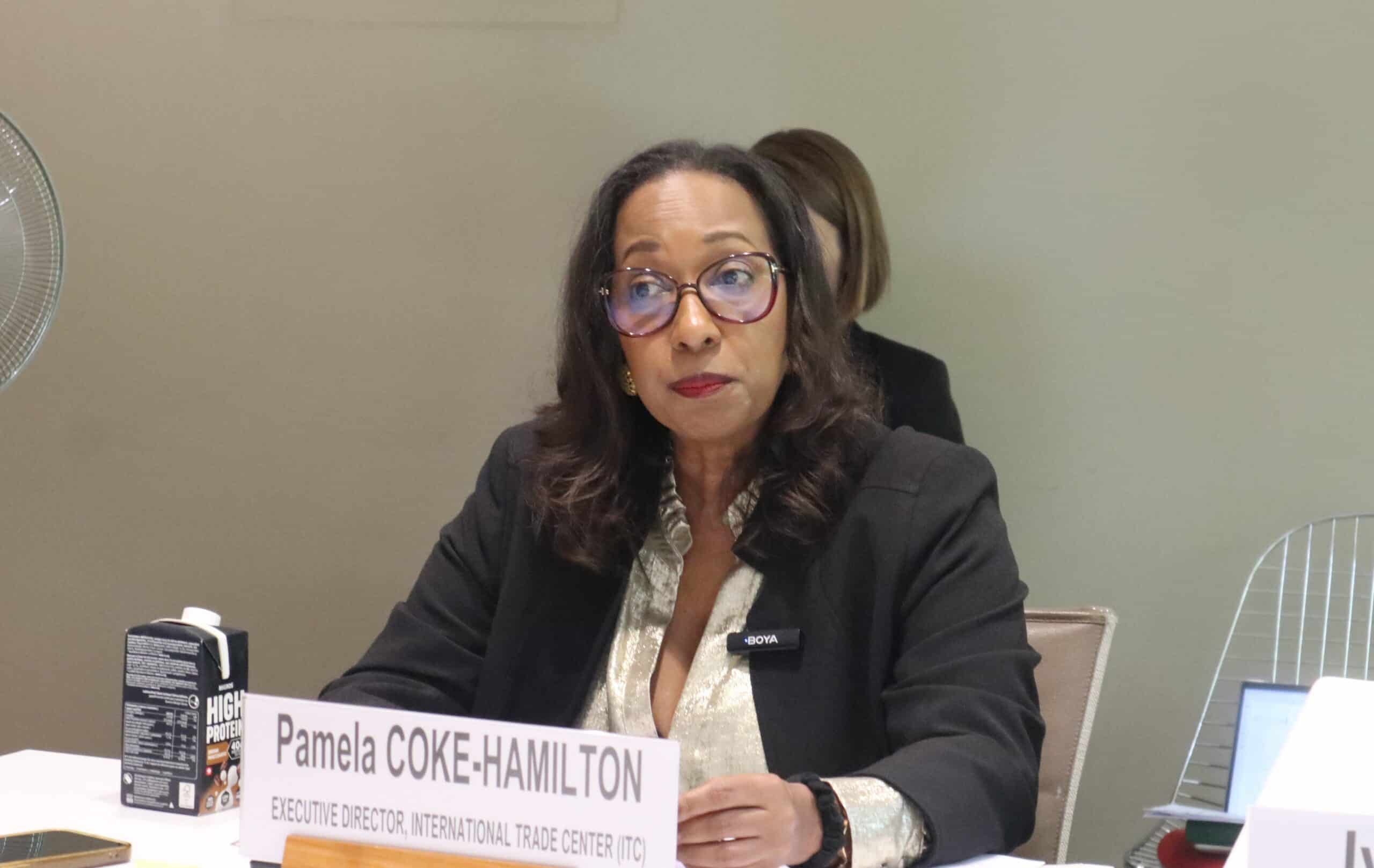
The International Trade Center (ITC) urges ASEAN to explore alternative mechanisms to ensure regional food security, citing potential disruptions from geopolitical events. Enhanced regional cooperation is seen as key to withstanding future global supply shocks.
The International Trade Center (ITC) strongly recommends that the Association of Southeast Asian Nations (ASEAN) explore alternative mechanisms to ensure regional food security amid potential disruptions arising from geopolitical events. ITC Executive Director Pamela Coke-Hamilton emphasized ASEAN's collective power, stating that by strengthening regional cooperation, the bloc can build resilience against future global supply chain shocks. As an ASEAN member, the Philippines faces this food security challenge. The nation is traditionally an agricultural country, and improving food self-sufficiency is crucial for the stability of its citizens' lives. However, extreme weather due to climate change and soaring grain prices due to international conflicts can directly impact the Philippines' food procurement. In particular, the heightened tensions in the South China Sea raise concerns about the security of maritime transport routes, posing risks of delays and increased costs for the import of goods, including food products. The Philippine government needs to enhance food security by improving domestic agricultural productivity, securing alternative supply sources, and strengthening cooperation with ASEAN countries. For the Philippines, with a large number of overseas workers, stable domestic food prices are also important from an economic perspective, affecting the purchasing power of remittances sent back home. In terms of Japan-Philippines relations, Japan provides technical cooperation and infrastructure support to the Philippines' agricultural sector, and cooperation towards strengthening food security is expected to grow in importance. Information Source: Inquirer Business
Original source
Inquirer Business