Slain Teen's Mother Demands Justice, Questions Juvenile Offender System
The mother of a 15-year-old boy murdered in the Philippines has expressed strong dissatisfaction with the perpetrator, a minor, being sent to a rehabilitation center instead of jail. She is appealing to the President to strengthen penalties for minors committing serious crimes.
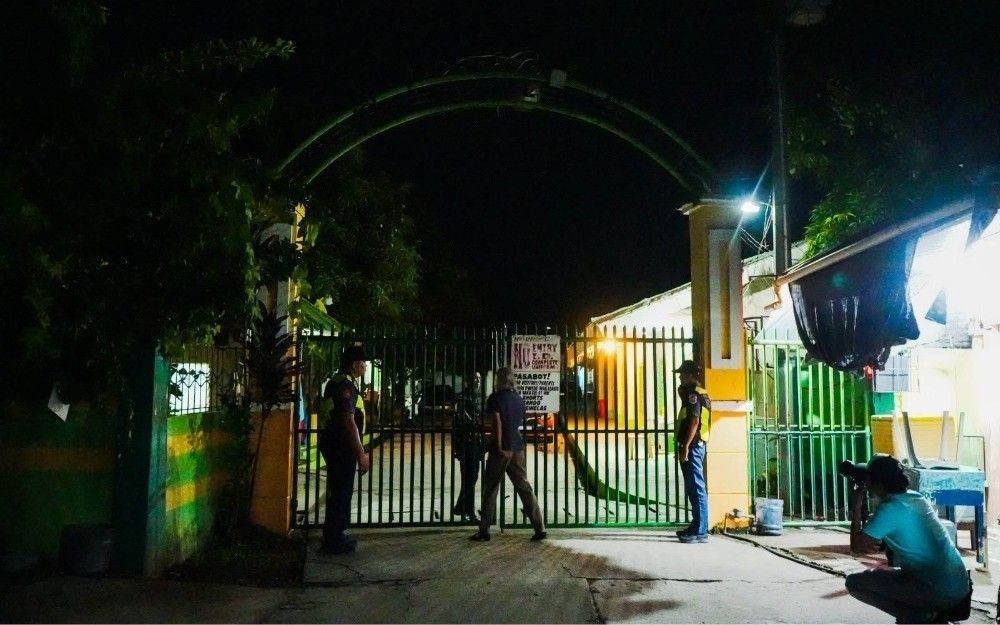
MANILA, Philippines — Minutes before her son’s casket was lowered into the earth, a mother’s grief turned into rage. Erbea Fabian, mother of 15-year-old Chris Lorenz Fabian, broke down Tuesday morning. “He killed my son. Why isn’t he in jail?” she cried, as the remains of her child were laid to rest. The 14-year-old who fired over 30 rounds from a 9mm pistol at the San Jose High School was not jailed. Instead, he and the other shooter, age 15, were remanded to a youth rehabilitation center run by the Department of Social Welfare and Development (DSWD). For Erbea, this was not justice, but a wound left open and unhealed. “President Marcos, help us to attain justice for our children and make the parents accountable,” she said. “My son will never come home. But the one who took him away is not even paying for it in a cell.” Standing firm on her call for accountability, Erbea expressed support for Sen. Raffy Tulfo’s position that minors who commit grave offenses like murder should still face imprisonment or stricter accountability. “If you are 15 and you commit murder, you should be jailed. With other offenders your age. You should pay for the crime you committed,” she said in an interview. “Age is not a shield when a life is taken.” The DSWD reported yesterday that the two Tacloban shooting teenage suspects under its custody had recently asked to go home. “They said they are already missing their family,” said DSWD regional director Grace Subong. Authorities denied the request, as the minors remain under rehabilitation and supervision. The DSWD reiterated that no release will be allowed unless cleared by both the court and rehabilitation authorities, once they are deemed ready for reintegration. The 15-year-old is facing three counts of murder and frustrated murder before the city prosecutor’s office in Tacloban, while the younger suspect, 14, is under protective custody and rehabilitation procedures.
多角的分析
この事件自体に直接的な経済的影響は限定的だが、未成年者犯罪への対応は、将来の労働力や社会の安定性に間接的に影響を与える可能性がある。特に、若年層の犯罪抑止策が不十分な場合、社会不安が増大し、国内および海外からの投資に対するリスク要因となりうる。フィリピン経済は海外からの送金に大きく依存しており、社会の安定は経済成長の基盤である。
投資家にとって、未成年者犯罪への対応は、法制度の安定性と予測可能性を示す指標の一つとなる。今回のケースのように、重罪を犯した未成年者への処罰が甘いと見なされる場合、法執行の公平性や厳格さに対する懸念が生じる可能性がある。これは、フィリピンへの直接投資や株式市場への投資判断において、リスクプレミアムの上昇につながる要因となりうる。
フィリピンでは、未成年者保護と犯罪抑止のバランスが常に課題となっている。15歳という年齢は、フィリピンの法律(Juvenile Justice and Welfare Act of 2006)では責任能力が問われる年齢の下限に近い。しかし、今回の事件のような凶悪犯罪では、被害者遺族の「正義」と、加害少年の更生・社会復帰という二律背反の要求が衝突している。DSWDによる更生施設での保護は、少年法の趣旨に沿ったものだが、遺族の感情や社会の安全への懸念を払拭するには至っていない。タクロバン市という地方都市での事件であることも、都市部とは異なる地域社会の反応や、司法へのアクセス、支援体制の違いを示唆している可能性がある。
フィリピン市民、特に被害者遺族の立場からは、未成年者であっても凶悪犯罪には厳罰を求める声が強く上がっている。15歳という年齢で、30発以上の銃撃という凄惨な犯行に及んだ少年が、厳罰に処せられないことへの不満は大きい。これは、社会の安全に対する不安を増大させ、「なぜ犯人が罰を受けないのか」という根本的な疑問を投げかけている。特に、海外で働く多くのフィリピン人労働者(OFW)が、安全な社会で子供たちが育つことを願っていることを考えると、この問題は多くの国民の関心事となっている。
背景・歴史的文脈
フィリピンでは、未成年者の犯罪に対する法律として、2006年に制定された「少年司法福祉法(Juvenile Justice and Welfare Act of 2006)」が施行されている。この法律は、15歳未満の未成年者は刑事責任を問われず、育成支援の対象となることを定めている。15歳から17歳については、犯した罪の重大性に応じて刑事責任を問われる可能性があるが、原則として更生施設での保護・指導が優先される。しかし、近年、凶悪犯罪が増加する中で、この法律の適用範囲や厳罰化を求める声が高まっており、議会でも法改正の議論が度々行われている。今回の事件は、こうした既存の法制度と、国民感情との乖離が浮き彫りになった形である。
原文ソース
Philstar Nation