Cambodia-Thailand Border Tensions Eased by Military Talks, but Key Mechanisms Need Revival
Security
2026年7月17日
5
Kampuchea Thmey English
Relations
🇰🇭Cambodia🇹🇭Thailand

General articles are free for 24 hours after publish.

Cambodia-Thailand Border Tensions Eased by Military Talks, but Key Mechanisms Need Revival

AI サマリー

Recent military talks between Cambodia and Thailand have been hailed as a step towards easing border tensions. However, experts emphasize that reactivating stalled border mechanisms and strengthening political commitment are crucial for lasting stability, given unresolved boundary issues and impacts on local communities.

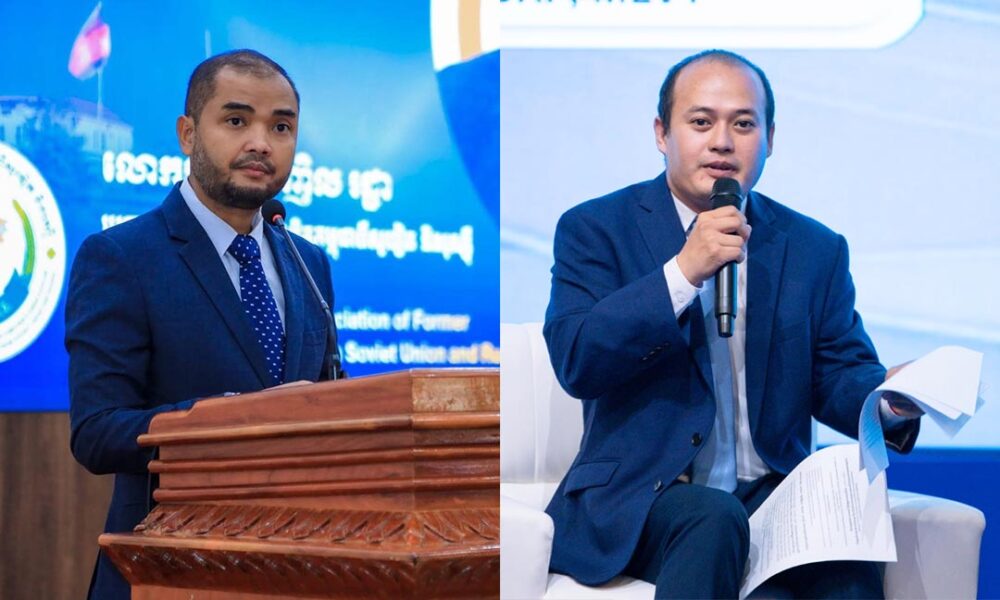
Analysts say recent military talks between Cambodia and Thailand mark a welcome step toward reducing tensions along their shared frontier, but caution that lasting stability will depend on reactivating stalled border mechanisms and stronger political commitment from both governments. The comments followed an informal meeting on July 15 at the Choam‑Sangam International Border Checkpoint in Oddar Meanchey province, where Cambodia’s 4th Military Region and Thailand’s 2nd Army Region discussed ways to prevent incidents and reinforce the December 2025 ceasefire. Thong Mengdavid, a lecturer at the Royal University of Phnom Penh, described the talks as an important move to improve communication between frontline forces. But he warned that military‑level dialogue alone cannot resolve disputes without progress through the General Border Committee (GBC) and Joint Boundary Commission (JBC). “The RBC meeting is a positive step toward reducing frontline risks, but its impact remains fragile as unilateral activities, including land clearing, road construction and barbed‑wire installation in undemarcated areas, continue to create tensions,” he said. Mengdavid added that delays in reactivating the GBC and JBC had hindered technical engagement and prolonged uncertainty for border communities, with thousands of civilians still displaced. Geopolitical analyst Gnel Rattha said the informal meeting signaled “quiet diplomacy” aimed at preventing small‑scale confrontations from escalating. He noted Cambodia used the talks to raise concerns over unilateral activities in disputed areas while stressing the need to resolve issues through legal frameworks and treaties. Rattha said smaller states often rely on international law and mechanisms such as the JBC to achieve durable solutions. Government spokesperson Pen Bona reiterated Cambodia’s position that the international boundary must be respected under Franco–Siamese treaties and the principle of uti possidetis juris. He said Phnom Penh rejects any attempt to alter recognised borders by force. According to the Defence Ministry, Brigadier General Nith Narong led the Cambodian delegation, while Major General Kampanat Waphansu headed the Thai side. Cambodia urged the JBC to resume survey and demarcation work, citing bilateral agreements and a joint statement issued in December 2025. Officials also called for careful verification of recent shooting and explosion incidents, greater discipline among frontline forces, and cooperation to curb misinformation that could inflame public hostility. Despite the ceasefire, Cambodia’s Interior Ministry said thousands of displaced civilians remain unable to return home due to security restrictions and damage linked to border tensions. Analysts say this underscores the urgency of moving beyond military dialogue toward comprehensive political solutions.

0

多角的分析

経済的影響

軍事対話による緊張緩和は、国境地域における経済活動の安定化に間接的に寄与する可能性がある。特に、未画定地域での一方的な開発やインフラ建設が停滞すれば、貿易や物流の円滑化、さらには投資環境の改善につながる。しかし、根本的な問題解決には、技術的な境界画定作業の進展が不可欠であり、それが遅れる限り、国境地域経済の潜在力は十分に発揮されないだろう。

投資家心理

カンボジア・タイ国境の緊張緩和は、投資家にとってリスク要因の軽減を意味する。特に、国境地域に事業拠点を置く企業や、物流ルートが国境を通過する企業にとっては、事業継続性の観点から朗報である。しかし、過去の事例からも、軍事対話だけでは根本的な解決には至らず、政治的・技術的な進展が伴わない限り、投資判断における不確実性は依然として残ると考えられる。

社会的影響

国境地域における緊張は、住民の生活に直接的な影響を与えている。未画定地域での一方的な開発や、それに伴う治安上の制限は、数千人もの住民を避難させ、生計の手段を奪っている。軍事対話は平和的な解決への一歩だが、住民が安全に帰還し、生活を再建するためには、境界画定の進展と、住民の権利を保障する包括的な政治的解決が不可欠である。

市民の声

国境地域に住む市民にとって、軍事対話は一時的な安心感をもたらすかもしれない。しかし、長年にわたる未画定地域での開発や、それに伴う治安上の問題は、依然として多くの人々を故郷から遠ざけている。市民は、単なる軍事的な停戦ではなく、自分たちの生活が安定し、安全に暮らせるようになるための、具体的な進展を求めている。境界共同委員会(JBC)のようなメカニズムが機能し、透明性のある解決策が示されることが期待されている。

背景・歴史的文脈

カンボジアとタイの国境問題は、フランス植民地時代に遡る。特に、1904年および1907年のフランス・シャム条約によって画定された境界線は、一部未画定のまま残されており、これが両国間の緊張の火種となっている。2008年にはプレア・ビヒア寺院の領有権を巡って武力衝突が発生し、国境地域における緊張が高まった。その後、両国は境界画定共同委員会(JBC)などを通じて問題解決を図ってきたが、未画定地域での一方的な開発やインフラ建設が繰り返され、紛争のリスクが根強く残っている。今回の軍事対話は、こうした長年の懸案に対し、対話による解決を目指す動きの一環と見られる。

原文ソース

Kampuchea Thmey English

原文を読む