Malaysia's EV Import Curbs Hit Chinese Manufacturers
Economy
2026年7月6日
5
VnExpress

Malaysia's EV Import Curbs Hit Chinese Manufacturers

AI サマリー

Malaysia's new import regulations for electric vehicles (EVs), effective July 1, are impacting Chinese manufacturers like BYD. Stricter import conditions, including minimum CIF prices and motor power, are hindering sales for Chinese brands that relied on competitive pricing. Even domestic production plans face new hurdles.

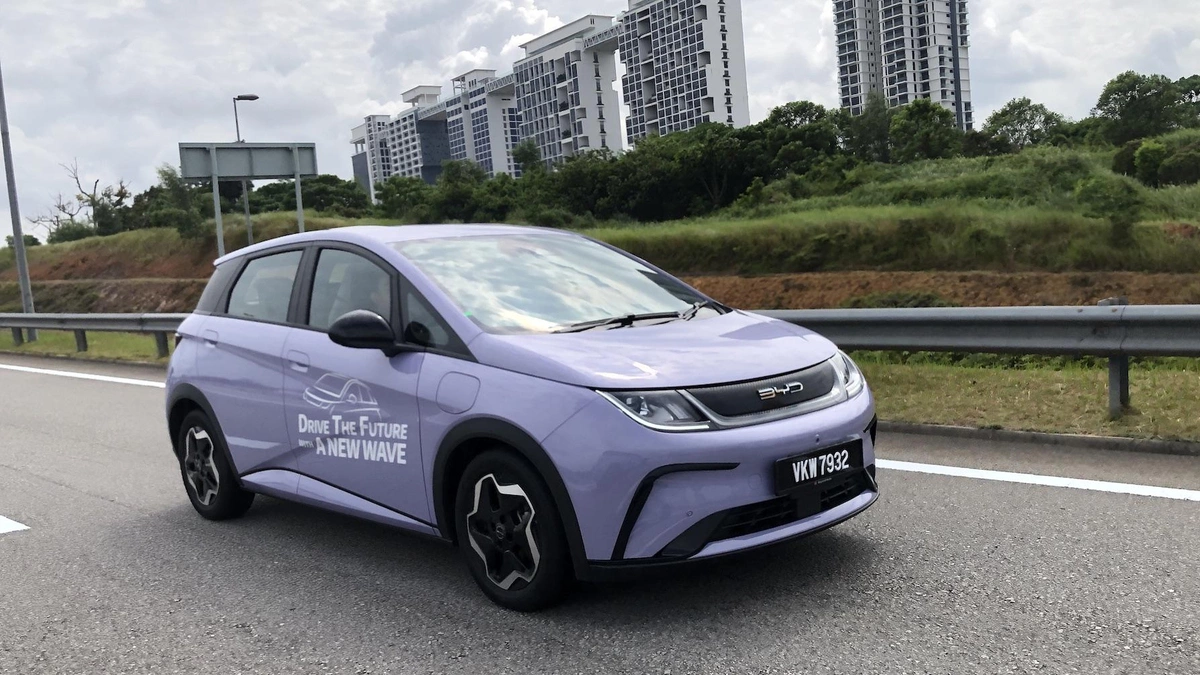
Malaysia's new administrative policy for imported completely built-up (CBU) electric vehicles (EVs), effective July 1, is narrowing opportunities for Chinese manufacturers. The policy mandates that imported EVs must have a CIF price (cost, insurance, and freight) of no less than 200,000 ringgit (approximately USD 49,160) and a motor power of at least 180 kW (241 horsepower). These conditions mean that after adding taxes, operating costs, and dealer profit margins, the actual on-the-road price of eligible imported models will be significantly higher than the 200,000 ringgit threshold. This regulation directly impacts Chinese brands like BYD, which have achieved success through competitive pricing strategies. Data from the Malaysian Road Transport Department (JPJ) indicates that Chinese brands were projected to hold a 60% market share in the new energy vehicle sector in Malaysia by 2025. However, the new legal framework has immediately disqualified many popular models from import eligibility. For instance, all seven models in BYD's current Malaysian lineup have starting prices below 200,000 ringgit, and some, like the Dolphin or the standard Atto 3, do not meet the 180 kW power requirement. Other popular models such as the Zeekr 7X and Chery Omoda E5 face similar challenges. For consumers like Amy Lau, a 28-year-old intern doctor, the policy change has disrupted her plan to purchase an imported EV for around 100,000 RM. "My brother and I have been saving for years to buy a car together, but now we might not be able to afford it," Lau stated. She expressed admiration for the designs of GWM and BYD EVs but now considers switching to domestically produced EVs within her budget. Nur Aisyah Rahman, a 34-year-old marketing specialist, noted increased caution due to price uncertainty, observing that even car sales staff seem unclear about the transition. "Even the salesperson I contacted couldn't give me a clear answer on whether my expected order falls under pre-July inventory or the new import pricing," Rahman said, adding that if the difference is only a few thousand ringgit, it might be acceptable, but a significant change would force her to reconsider everything. Bernard Lim, a 42-year-old engineer from Klang, is actively inquiring with dealers to determine if available cars are existing stock or subject to the new price thresholds. "EVs are not just about the car price but also charging, insurance, and resale value. If the import price changes, I'm now worried about how everything else will be affected," Lim commented. To circumvent import barriers, some Chinese automakers are considering establishing local assembly plants. However, the Malaysian government has preemptively introduced stringent conditions for new production projects licensed after September 1, 2025. These include a minimum vehicle price of 100,000 ringgit (USD 24,580), mandatory export of at least 80% of production (limiting domestic consumption to 20%), and the requirement to perform high-tech and high-value processes, such as body welding, painting, and final assembly, within Malaysia. Under this pressure, BYD's planned 600,000-square-meter completely knocked-down (CKD) assembly plant in Tanjung Malim, Perak, has been stalled. Analysts suggest that the 80% export requirement is "unfeasible" for BYD, which already has large-scale production facilities in Thailand, Indonesia, and China. In contrast to the stalled new construction projects, some Chinese companies are finding solutions by leveraging existing partnerships with local players. In June, Leapmotor began assembling its C10 model at a plant in Gurun, Kedah, utilizing Stellantis's existing infrastructure. XPeng has also announced a collaboration with local manufacturer EPMB to assemble the right-hand drive G6 model. By utilizing pre-existing production lines instead of establishing new projects, these joint ventures are not bound by the strict 80% export quota. The Malaysian government asserts that these new policies aim to attract high-quality investment, promote technology transfer, and build a robust domestic supply chain, mirroring the successful automotive industry models established by national brands Proton and Perodua. Source: VnExpress

多角的分析

経済的影響

マレーシア政府によるEV輸入規制強化は、国内自動車産業の育成と、中国系EVメーカーの価格競争力による市場独占を防ぐための経済政策である。高価格帯への誘導は、国内メーカーであるProtonやPeroduaの競争力を相対的に高め、国内サプライチェーンの強化を目指す。一方で、BYDのような低価格帯でシェアを伸ばしてきたメーカーにとっては、事業戦略の見直しを迫られる大きな要因となる。これは、マレーシアがASEAN地域におけるEVハブとしての地位を確立しようとする動きの一環とも考えられ、域内でのEV生産・販売競争に影響を与える可能性がある。

投資家心理

今回のマレーシアのEV輸入規制強化は、中国系EVメーカーへの投資リスクを高める要因となる。BYDなどの企業は、価格競争力を失った場合、マレーシア市場での販売台数減少に直面する可能性がある。ただし、現地での生産・組立に移行する動きや、既存インフラを活用する企業にとっては、新たな投資機会も生まれる。投資家は、各社のサプライチェーンの柔軟性や、現地パートナーとの連携力、そしてマレーシア政府の今後の政策動向を注視する必要がある。特に、輸出義務80%という条件は、新規設立の工場にとっては大きなハードルであり、投資回収計画に影響を与える。

社会的影響

マレーシアのEV輸入規制は、一般消費者のEV購入意欲に直接的な影響を与えている。これまで低価格でEV購入を検討していた層は、予算超過により国内生産車や従来型車への移行を余儀なくされる可能性がある。例えば、研修医のエイミー・ラウ氏のように、限られた予算で環境性能の高い車を求めていた人々は、選択肢の減少に直面している。また、価格の不確実性は、消費者の購買決定を遅らせ、市場全体の不確実性を高めている。これは、EV普及という社会全体の目標達成にも影響を与える可能性がある。

市民の声

マレーシア政府のEV輸入規制は、市民のEV購入計画に大きな影響を与えている。特に、これまで価格競争力で人気を集めていた中国製EVを検討していた層は、予想外の価格上昇に直面し、購入を断念せざるを得ない状況に追い込まれている。例えば、28歳の研修医エイミー・ラウ氏のように、将来的な維持費や環境性能を考慮してEV購入を計画していた市民は、当初の予算では購入できなくなり、国内生産車への乗り換えを検討せざるを得ない。また、34歳のマーケティング担当者ヌル・アイシャ・ラーマン氏のように、価格の不確実性から購入時期を延期したり、購入自体を躊躇したりする市民もいる。これは、EV普及という社会全体の目標達成に向けた市民の足並みを乱す可能性がある。

背景・歴史的文脈

マレーシア政府がEV輸入規制を強化する背景には、国内自動車産業の育成という長年の目標がある。ProtonやPeroduaといった国営・国産ブランドを保護・育成するため、過去にも輸入車に対する関税や非関税障壁が設けられてきた。近年、EV市場の急速な拡大と、価格競争力に優れる中国系メーカーの台頭は、マレーシア国内でのEV生産・普及を促進する機会であると同時に、国内産業が競争力を失うリスクも高めている。今回の規制は、単にEV輸入を制限するだけでなく、国内でのEV生産を促し、高度な技術移転を伴う投資を誘致することを目的としており、ASEAN地域におけるEVサプライチェーンの主導権争いという文脈も含まれている。

原文ソース

VnExpress

原文を読む