General articles are free for 24 hours after publish.
Cambodia and Thailand to Hold First UN-Mediated Talks on Maritime Dispute
Cambodia and Thailand will hold their first meeting under a UN conciliation process in Singapore to resolve a long-standing maritime dispute. The process aims to ease tensions and establish a framework for joint resource development, though its recommendations are non-binding.
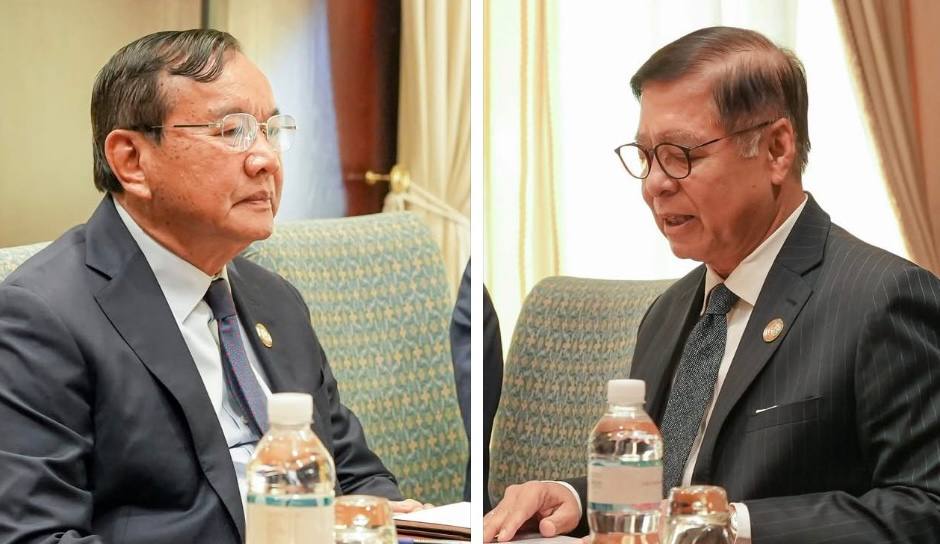
Cambodia and Thailand will hold their first meeting under a U.N. conciliation process in Singapore next week, the Foreign Affairs Ministry said Wednesday, kicking off a rare international proceeding in an attempt to resolve a long-running maritime dispute between the countries. “The meeting marks another important milestone in the peaceful process initiated by Cambodia to resolve the countries’ maritime differences,” the ministry said in a statement. It will send Foreign Minister Prak Sokhonn and Lam Chea, the official overseeing border affairs, to the proceedings in Singapore from Sept. 14-16. Thailand said it is prepared to participate in the meeting and engage in the proceedings on the basis of international law. “The Ministry of Foreign Affairs and all relevant agencies remain strongly committed to carrying out duties with utmost efforts and to the best of abilities in safeguarding Thailand’s national interests,” Thailand’s Foreign Ministry said in a Wednesday statement. Foreign Minister Sihasak Phuangketkeow will lead the delegation. Cambodia in June launched a conciliation process under the U.N. Convention on the Law of the Sea, or UNCLOS, after Thailand unilaterally withdrew from a 2001 agreement that provided a framework for talks on overlapping claims in the Gulf of Thailand and joint hydrocarbon exploration in an area believed to hold up to $300 billion in oil and natural gas reserves. The process has been used only once before, when Timor-Leste invoked it in 2016 to resolve a decades-long maritime dispute with Australia. It comes as relations between Cambodia and Thailand remain strained following deadly border clashes last year and a prolonged dispute along their land border that has displaced thousands of Cambodians. The mechanism allows a panel of independent experts, which Cambodia and Thailand have both selected, to examine the dispute and issue recommendations, though its findings are not legally binding. The process is expected to take around a year, when the Conciliation Commission will issue its report, including its conclusions and recommendations. Analysts have previously said the process may ease domestic political pressure in both countries, but its non-binding nature leaves it with limitations.
Original source
CamboJA News