Cambodia Deploys Teams for Free Tuberculosis Screening and Treatment in Ratanakiri
Health
2026年7月14日
5
Kampuchea Thmey Local

Cambodia Deploys Teams for Free Tuberculosis Screening and Treatment in Ratanakiri

AI サマリー

The Cambodian Tuberculosis Association (CATA) is conducting a free tuberculosis screening and treatment campaign in rural Ratanakiri province from July 1st to 18th. While the number of service recipients and newly detected TB cases have seen a decrease this year, CATA is expanding access through mobile outreach services.

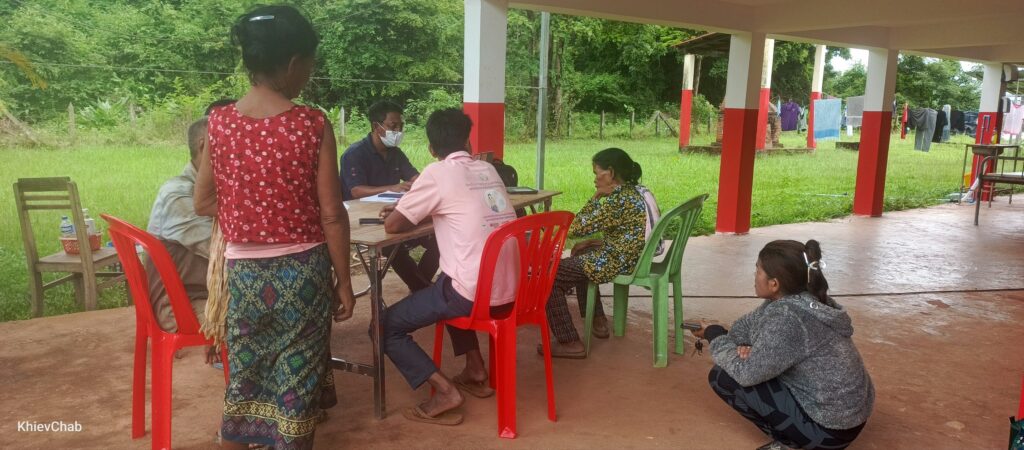
The Cambodian Tuberculosis Association (CATA) is deploying teams to health centers, villages, and communities in Ratanakiri province to provide free tuberculosis screening and treatment for 18 days, from July 1st to July 18th, 2026. However, this year has seen a decrease in the number of citizens receiving screening services compared to previous years, coinciding with a decline in the detection rate of new TB cases. Dr. Suong Serivathana, a doctor serving at CATA, told "Kampuchea Thmey" that compared to the early years of outreach, the number of newly detected TB patients has significantly decreased. Last year, more than 20 new TB patients were found per health center, but currently, it is only 2 to 6 cases. To increase access to screening services, the team has changed its strategy. Instead of waiting for people to come to the hospital, they are going directly to health centers, villages, and communities to reduce the difficulty of travel for citizens and make it more convenient for them. The screening specifically targets high-risk groups, including individuals over 45 years old, people living with HIV, diabetic patients, those suffering from malnutrition, and individuals who live closely with or have had contact with people who have had tuberculosis. Dr. Suong added that citizens experiencing symptoms such as coughing for more than two weeks, unusual weight loss, persistent low-grade fever, night sweats, or swollen lymph nodes in the neck should seek examination promptly. This is because some forms of tuberculosis may not show clear symptoms and can silently damage the lungs. Following diagnosis, all TB patients will receive free treatment. The treatment requires taking medication regularly for six months under the supervision of healthcare professionals at the health center. Dr. Suong Serivathana emphasized that if patients adhere to the instructions and complete the full six months of medication, they can achieve complete recovery. Ms. Kanhya, who previously had tuberculosis, shared that she took medication for six months as per the doctor's instructions. This year, after a follow-up examination, no recurrence of the disease was detected. She encouraged all patients to patiently complete their medication for the full duration, despite experiencing some side effects like drowsiness or fatigue, to ensure recovery. Doctors have stated that some TB cases do not cause coughing or exhibit clear symptoms, yet the lungs may already be severely damaged. Therefore, chest X-rays and specialized examinations are crucial methods for early detection and timely treatment to reduce transmission and deaths from tuberculosis. Doctors also urged citizens in Banlung City, Ta Veng District, Verun Sai District, Virakchey District, and health center areas to attend their health check-ups according to the schedule set by the team. This will allow for timely diagnosis and prevention of community transmission. By: Khiev Chab

多角的分析

経済的影響

結核対策は、長期的に見て医療費の削減と労働生産性の向上に繋がる経済的メリットをもたらす。結核患者の減少は、医療資源の負担軽減だけでなく、健康な労働力の維持・拡大に寄与し、経済活動の活性化に貢献すると考えられる。今回の活動は、特に農村部における結核の蔓延抑制に不可欠であり、地域経済の持続的発展の基盤となる。

投資家心理

結核の蔓延抑制は、カンボジア全体の健康水準向上に貢献し、間接的に投資環境の改善に繋がる。健康な労働力は、製造業やサービス業など、あらゆる産業の生産性向上に不可欠である。また、公衆衛生への投資は、国の安定性と長期的な成長ポテンシャルを示す指標ともなり得るため、投資家にとってポジティブなシグナルとなりうる。

社会的影響

結核の無料検査・治療キャンペーンは、特に医療インフラが脆弱な農村部住民の健康アクセスを改善する上で極めて重要である。移動負担の軽減や無料でのサービス提供は、経済的理由や地理的制約から医療を受けられなかった層への支援となる。しかし、受診者数の減少は、結核に対する認識の低下や、症状の軽視、あるいは検査への抵抗感といった社会的な課題を示唆している可能性もある。

市民の声

ラタナキリ州の住民にとって、結核の無料検査・治療は、健康を守るための貴重な機会である。特に、経済的に困難な状況にある人々や、医療機関へのアクセスが容易でない地域に住む人々にとって、CATAの出張サービスは生活に直結する恩恵となる。しかし、受診者数の減少は、結核が身近な脅威ではなくなったという安心感、あるいは症状が軽微であると自己判断する傾向があることを示唆しているかもしれない。

背景・歴史的文脈

結核は、カンボジアにおいて依然として公衆衛生上の大きな課題である。過去数十年にわたり、政府および国際機関、NGOは、結核の撲滅に向けた様々なプログラムを実施してきた。特に、HIV/AIDSの蔓延との関連性から、結核対策は優先度の高い課題とされてきた。2000年代以降、多剤耐性結核(MDR-TB)の課題も浮上し、治療法の開発やアクセスの改善が求められている。CATAのようなNGOは、政府の医療サービスが行き届かない地域での活動を通じて、結核撲滅に貢献している。今回のラタナキリ州での活動は、こうした長年にわたる結核対策の一環であり、地域住民への直接的な医療提供を通じて、感染拡大の抑制と治療率の向上を目指している。

原文ソース

Kampuchea Thmey Local

原文を読む