Tan Son Nhat Airport's Terminal 1 to be Rebuilt for Enhanced Capacity
Infrastructure
2026年7月11日
5
VnExpress

Tan Son Nhat Airport's Terminal 1 to be Rebuilt for Enhanced Capacity

AI サマリー

Ho Chi Minh City's Tan Son Nhat International Airport plans a complete reconstruction of its domestic Terminal 1 (T1). This initiative aims to boost overall airport capacity and enhance connectivity through underground tunnels linking it to the parking lot and Terminal 3. Amidst preparations for Long Thanh Airport's opening, redefining Tan Son Nhat's role and modernizing its infrastructure are becoming urgent.

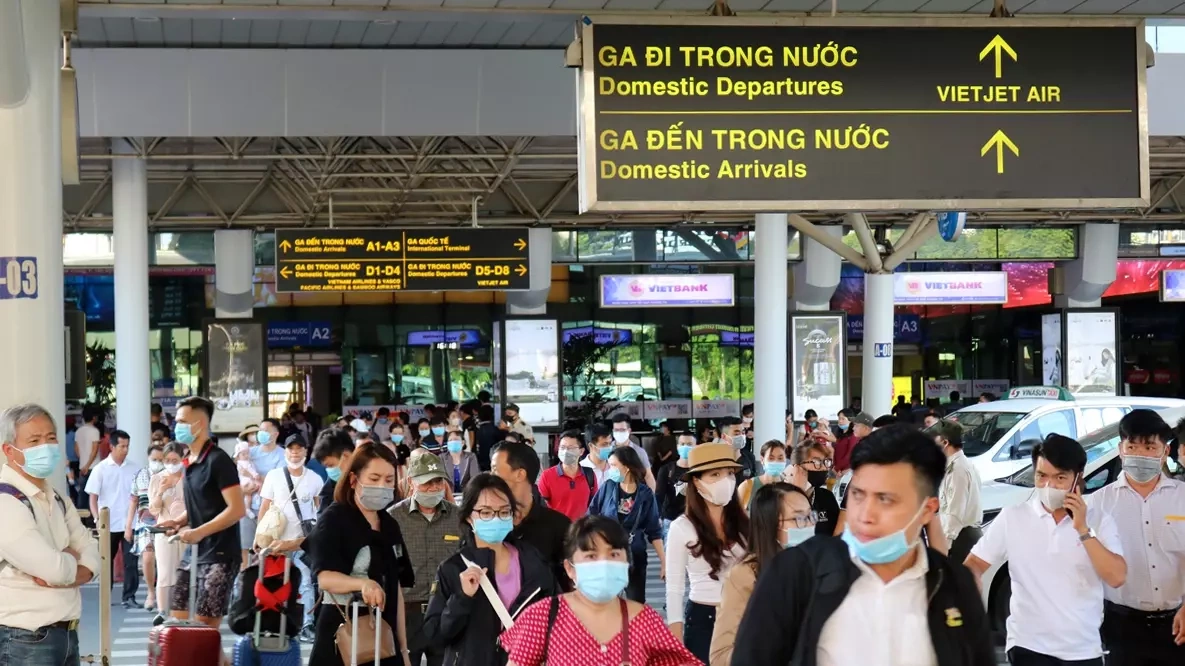
Ho Chi Minh City's Tan Son Nhat International Airport is slated for a comprehensive redevelopment of its domestic Terminal 1 (T1). The plan aims to enhance the airport's overall operational capacity and improve connectivity by integrating underground tunnels that will link it to the TCP parking lot and the new Terminal 3 (T3). This strategic direction was put forth by the Airports Corporation of Vietnam (ACV) in anticipation of Long Thanh International Airport's projected opening by the end of this year. The advent of Long Thanh Airport necessitates a redistribution of operational markets between the two facilities and an upgrade of Tan Son Nhat's infrastructure. According to ACV, this is currently a preliminary study. The specific scale and investment methods will be determined after the adjustment of the Tan Son Nhat Airport Master Plan for the 2021-2030 period, with a vision towards 2050, is approved by the competent authorities. Tan Son Nhat currently operates three terminals. Domestic Terminal 1 and International Terminal 2 are situated adjacent to each other, sharing a common access point on Truong Son Street. Terminal 3, located about one kilometer away from the older terminals, commenced operations over a year ago and serves domestic flights. Terminal 1 primarily handles flights for Vietjet Air. Other airlines, including Vietnam Airlines, Sun PhuQuoc Airways, Pacific Airlines, Vasco, and Bamboo Airways, have shifted their operations to Terminal 3. Following numerous upgrades and expansions, Terminal 1 spans nearly 41,000 square meters, with a designed capacity of approximately 15 million passengers annually, averaging around 41,000 passengers per day. However, prior to the operationalization of Terminal 3, Terminal 1 frequently exceeded its capacity. During peak periods like holidays and Tet, the terminal once served nearly 100,000 passengers daily, leading to congestion in check-in, security screening, and passenger pick-up/drop-off areas. ACV notes that after a prolonged period of operation, many components of Terminal 1 have deteriorated, and its technology and spatial organization are no longer suitable. Consequently, the terminal is slated for reconstruction with a larger scale and modern infrastructure to meet long-term operational demands, as Tan Son Nhat will continue to be the primary hub for domestic routes. In conjunction with the terminal's reconstruction, ACV is studying an underground tunnel system. This system would include a route connecting the passenger concourse to the TCP parking lot and another leading to Terminal 3. The project is expected to create a seamless connection between terminals, parking areas, reduce traffic conflicts, and offer greater convenience for passengers. Currently, passengers traveling from the TCP parking lot to Terminal 1 must cross the road, encountering traffic flow from vehicles entering and exiting the airport. There is also no direct connection between Terminal 1 and Terminal 3, requiring passengers to navigate external airport roads. Parallel to the Terminal 1 upgrade plan, ACV is developing an operational strategy for simultaneous use of Tan Son Nhat and Long Thanh airports based on the principle of "market segmentation." Under this plan, Tan Son Nhat will continue to manage the domestic flight network and short-to-medium haul international routes. Long Thanh Airport will gradually evolve into a new international aviation gateway, prioritizing markets with medium and long-term growth potential. ACV has stated that it has received operational registration for Long Thanh from several major domestic airlines and is actively engaging with numerous international carriers to prepare for the airport's launch later this year.

多角的分析

経済的影響

タンソンニャット空港T1の建て替えは、ベトナムの航空インフラへの大規模投資の一環であり、経済成長の鈍化が懸念される中でも、将来的な旅客需要増加への備えと、ハブ空港としての競争力維持を目指す動きと見られる。ロンタン空港との連携による効率化は、物流コスト削減や観光・ビジネス客の誘致に繋がり、経済全体への波及効果が期待される。ただし、巨額の投資資金の調達方法や、建設期間中の空港機能への影響は、経済的なリスク要因となりうる。

投資家心理

今回のT1建て替え計画は、ベトナムの航空インフラへの長期的な成長ポテンシャルを示すものとして、インフラ関連企業や建設会社にとって魅力的な投資機会となりうる。また、空港機能の向上は、航空会社や関連サービスプロバイダーの収益性向上に寄与する可能性があり、間接的な投資対象としても注目される。ただし、計画の遅延リスクや、ロンタン空港との役割分担がどのように具体化されるかなど、不確実性も存在するため、慎重な分析が必要となる。

社会的影響

T1の建て替えは、長年の過密状態に悩まされてきた利用者の利便性向上に直結する。特に、ターミナル間の移動が容易になる地下トンネルの設置は、乗り継ぎ客や荷物が多い旅行者にとって大きな恩恵となるだろう。一方で、建設期間中の騒音や交通混雑、そして建て替え後の空港利用料金への影響は、地域住民や利用者の生活に影響を与える可能性がある。また、空港職員の労働環境改善にも繋がるかどうかも注視される点である。

市民の声

タンソンニャット空港のT1建て替えは、多くの市民にとって、より快適でスムーズな旅行体験をもたらすことが期待される。特に、テトなどの繁忙期における空港の混雑は市民生活の大きなストレス源となっており、新ターミナルと地下トンネルによる連携強化は、この問題の緩和に繋がるだろう。しかし、建設工事による一時的な交通渋滞の悪化や、将来的な航空運賃への影響は、市民の懸念材料となりうる。また、空港周辺の地域住民にとっては、建設期間中の騒音や環境への影響も無視できない問題である。

背景・歴史的文脈

ベトナムの航空インフラ整備は、経済成長と国際競争力強化の観点から、国家的な重要課題と位置づけられている。タンソンニャット国際空港は、ホーチミン市という経済の中心地にあるものの、長らく施設の老朽化とキャパシティ不足が指摘されてきた。特に、2019年の旅客数は設計能力を大幅に超え、混雑が常態化していた。こうした状況を受け、ベトナム政府は、国内線の処理能力向上と国際線の機能強化のため、タンソンニャット空港の改修・拡張と並行して、ドンナイ省に新たな国際空港であるロンタン国際空港の建設計画を推進してきた。ロンタン空港は、ベトナム南部地域の新たなハブ空港として、将来的にはタンソンニャット空港の機能を一部代替・補完することが期待されている。今回のT1建て替え計画は、ロンタン空港開港後のタンソンニャット空港の役割を明確にし、両空港間の効率的な連携体制を構築するための、具体的な一歩と言える。

原文ソース

VnExpress

原文を読む