General articles are free for 24 hours after publish.
Hai Phong's Mac Dynasty Market Revival Blends Culture and Economy
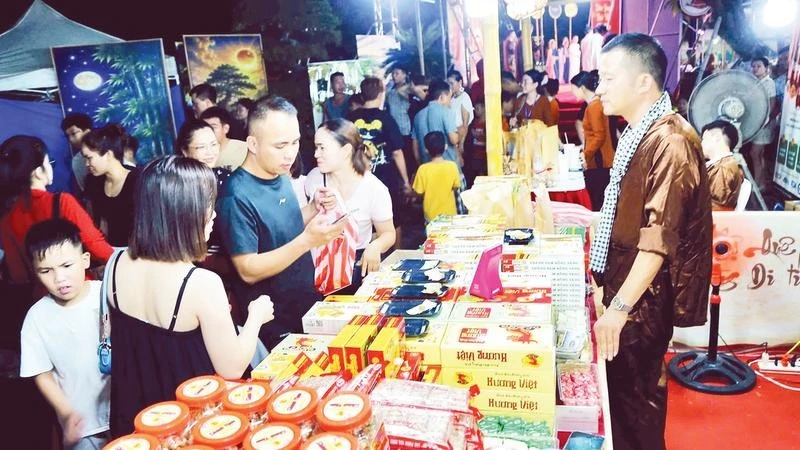
Hai Phong City, Vietnam, is witnessing the success of 'Chợ quê thời Mạc' (Mac Dynasty Rural Market), a revival of a historical market. This initiative is gaining traction as a new model for regional economic development and cultural heritage preservation by linking cultural sites with local specialties, transforming it into a hub for culture, commerce, and tourism.
In the northern Vietnamese port city of Hai Phong, 'Chợ quê thời Mạc' (Mac Dynasty Rural Market), a revival of the Mac Dynasty era (16th-17th centuries), is drawing attention as a new initiative for promoting regional culture and stimulating economic growth. The market, held within the grounds of the national special historical site of the Mac Dynasty Royal Temple (Kien Hung commune), has evolved beyond a traditional marketplace into a space that merges culture, commerce, and tourism. This initiative, launched in 2023, has, after four iterations, successfully preserved local cultural heritage through modern methods and contributed to the development of the rural economy. A variety of specialties unique to Hai Phong are offered, including organic rice, processed eel products, Cat Hai fish sauce, chrysanthemum tea, guava leaf tea, dried bananas, sardines, banh da, banh gai, and processed pork products, each carrying stories from its production area and the craftsmanship passed down through generations. The market's scale has expanded annually. In 2023, over 30 booths showcased agricultural products and traditional handicrafts. In subsequent years, OCOP (One Commune One Product) items, handicrafts, and dishes reminiscent of the Mac Dynasty's culinary culture have been added, creating a colorful market landscape. With the administrative expansion of Hai Phong City in 2026, the market is expected to gather products from various regions across the city, bringing together specialties from plains, coastal areas, and traditional industrial villages, thus narrating Hai Phong's rich production culture and history. The market's allure lies not only in product sales but also in its rustic rural atmosphere, where vendors share stories about their products and buyers can inquire about their origins. Tourists may also rediscover flavors from their memories. Notably, items like banh gai, banh dau xanh, processed aquatic products, and the 'king's crab noodle soup' serve not just as culinary experiences but also as storytellers of the region, industry, and community customs. A significant value of the market is conducting commercial activities within a cultural heritage site. Visitors can learn about historical sites, enjoy traditional arts, and purchase regional specialties. This gives products a story to tell and cultural heritage a new presence in contemporary life. The market systematically organizes introduction and linkage activities, focusing on selected OCOP products rated three stars and above, ensuring quality and food safety. The recognition of OCOP products in a cultural space frequented by many people and tourists contributes to enhancing the visibility of local brands. For cooperatives, businesses, and producers, it also provides an opportunity to listen to consumers, find partners, and expand markets. According to the Deputy Director of the Hai Phong Department of Agriculture and Rural Development, the city is comprehensively implementing programs for new rural construction, large-scale commodity agriculture, high-tech agriculture, organic farming, digital transformation, green agriculture, and the circular economy. Many OCOP products, concentrated production areas, traditional craft villages, and specialties are gradually establishing their position in the market. 'Chợ quê thời Mạc' serves as a small yet meaningful bridge within this flow. Direct encounters at this market can open up new collaborations for sales, distribution, and brand promotion. As products are standardized in quality, packaging, and traceability, and linked with e-commerce, today's market encounters hold the potential to become tomorrow's new markets. Source: Nhan Dan
Original source
Nhan Dan