General articles are free for 24 hours after publish.
Indonesia's Wildlife: Unveiling the Mysteries of Camouflage
Indonesia's rich ecosystems host wildlife that has developed astonishing camouflage abilities for protection from predators and hunting prey. From forests to the deep sea, camouflage strategies adapted to diverse environments are key to survival.
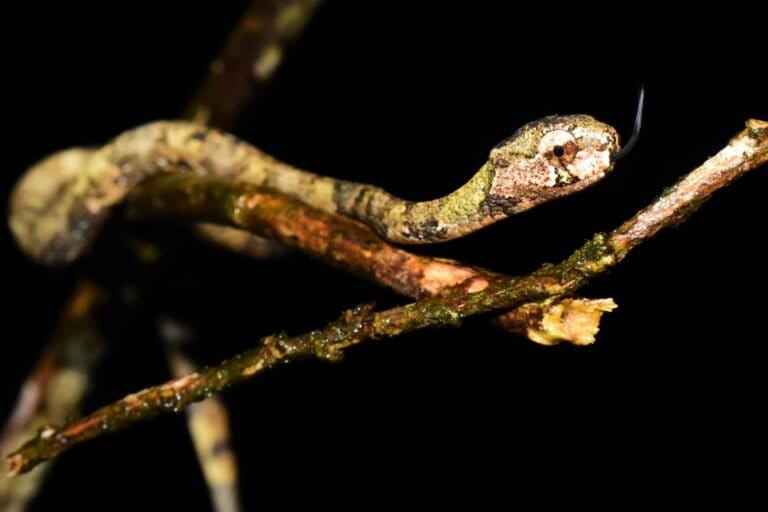
Indonesia's vast natural landscapes are home to a diverse array of wildlife possessing remarkable camouflage abilities. Camouflage is a natural strategy used by animals to blend into their environment, deceive the sight of predators, and conceal their presence. Colors, patterns, textures, body shapes, and even behaviors all play an indispensable role in their survival. For instance, deep within the rainforests, insects with leaf-like patterns and lizards that blend with tree bark skillfully conceal themselves. This serves as a means to protect themselves from predators while also allowing them to approach prey unnoticed. Meanwhile, in the vast ocean, camouflage specialized for aquatic environments is observed, such as fish mimicking coral reefs and octopuses blending into the seabed sand. These animals manipulate changes in color and texture at will, becoming one with their surroundings. Camouflage is not merely an external change. Some animals employ strategies to ward off enemies by mimicking predators or possessing patterns that signal danger. During mating seasons, some species exhibit vibrant colors to attract mates, though this can be seen as a different context of color utilization compared to camouflage. These camouflage abilities have evolved in accordance with the environment in which each animal lives and its role within the ecosystem. Indonesia's diverse biodiversity is indeed an ideal stage for nurturing such astonishing evolutionary adaptations.
Original source
Mongabay Indonesia