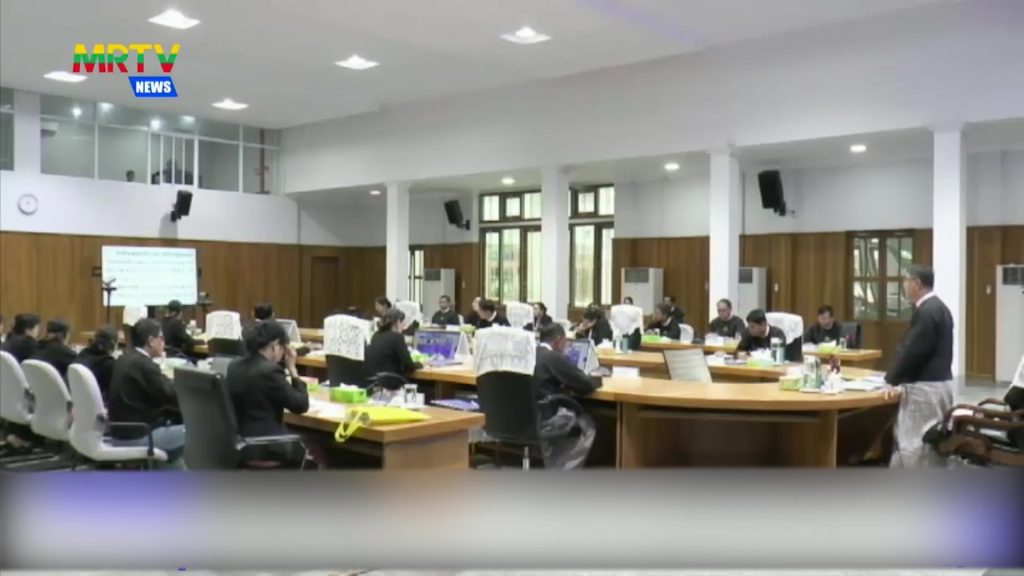
Chief Justice calls for implementation of AI technology in judiciary
The Chief Justice of the Union, U Tha Htay, has called for everyone to work together to implement AI technology in judicial work. This statement was made during a coordination meeting held via video conference on July 14
This article requires PRO
This article is outside the free access window or is a special report. PRO unlocks it and the full archive.
Related articles
- Yangon Circular Railway Welcomes First Women Train Drivers
FOR the first time in the history of Myanma Railways, the Operating Department of Myanma Railways is making arrangements to assign female locomotive drivers to trains running on the Yangon Circular Railway line. Currentl
- Emphasizing the development of value chain in the agricultural sector
The agricultural sector is one of the most fundamental sectors for Myanmar’s food security, the socioeconomic well-being of its people, rural development, and national economic development. The agricultural sector is not
- Pyithu Hluttaw Session: 11th day of 3rd regular session held
The 11th day of the third regular session of the Third Pyithu Hluttaw was held today, October 5th, at 10:00 AM at the Pyithu Hluttaw Meeting Hall in Nay Pyi Taw, attended by 344 out of 351 eligible representatives. Accor
- IPD offers basic patent agent training course in Nov
THE Intellectual Property Department will conduct the Basic Patent Agent Training Online Course 1/2026 in November. The course is designed for those who wish to serve as registered patent agents. The course will run virt