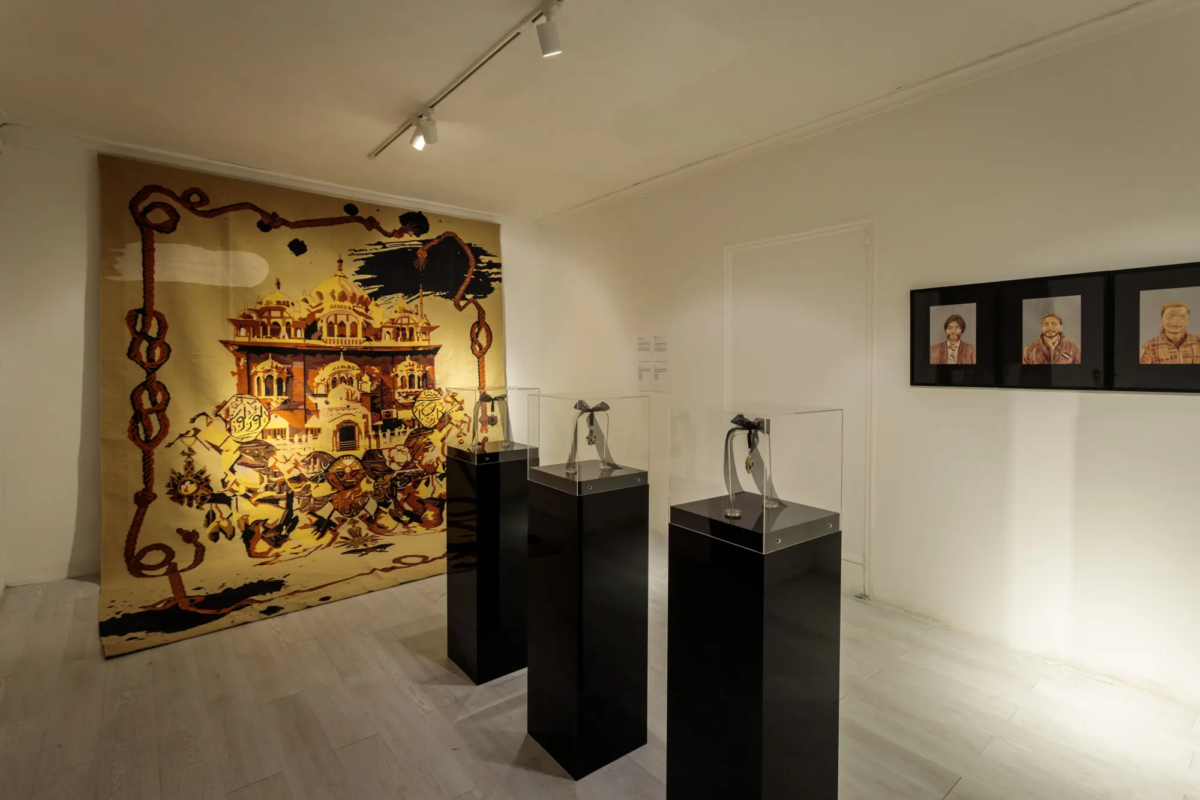
Pakistan's Venice Biennale Participation Showcases Cultural Diplomacy
Pakistan has made its second official appearance at the Venice Biennale, a feat achieved through a collaborative effort involving artists, curators, government officials, and civil society. This highlights the significant undertaking of representing a nation through art and the extensive cooperation required.
Pakistan's participation in the Venice Biennale 2026 marks a significant step in its cultural diplomacy, extending beyond a mere art exhibition. This milestone was achieved through the concerted efforts of artists, curators, government officials, and civil society, underscoring the immense dedication and collaboration involved. This is Pakistan's second appearance at the Venice Biennale, following its inaugural pavilion in 2019. The current exhibition, titled 'Punj•AB — A Sublime Terrain,' features the work of artist Faiza Butt. The participation was greenlit by Islamabad a mere six months before the biennale's opening, making its realization even more impressive. Unlike countries with permanent structures for such diplomatic endeavors, building a national pavilion in Pakistan requires assembling an entirely new coalition of artists, curators, commissioners, government officials, diplomats, funders, and patrons. It is described as a true "labor of love," sustained by the passion and commitment of numerous individuals. At the heart of the exhibition is Butt's reimagining of Punjab not as a static province but as a layered historical terrain shaped by the movement of rivers, crops, empires, and memory. Her visual language, rooted in miniature painting, has been expanded into contemporary textile practice, layering Buddhist, Sikh, Mughal, colonial, and contemporary imagery into dense compositions. Notably, the large-scale tapestries and embroideries produced in collaboration with Havelicrafts, a non-profit founded by Jugnu Mohsin in Shergarh village, Okara district, also brought into focus the politics of Pakistan's agrarian economy. The Venice Biennale participation serves as an opportunity to bring conversations on labor, ecology, and memory onto an international stage. The curatorial challenge involved transforming forms of labor often confined to the domestic sphere into works capable of occupying institutional space with authority, prompting a reconsideration of where contemporary art begins and craft ends. Pakistan's continued presence at the Venice Biennale offers future opportunities to explore the country's linguistic, regional, and cultural diversity through equally compelling lenses. This experience highlights how the creation of cultural achievements relies on the dedication and cooperation of many. Source: Phnom Penh Post
多角的分析
パキスタン政府によるベネチア・ビエンナーレへの参加承認は、文化イベントへの投資が国のイメージ向上や国際的なソフトパワー強化に繋がるという経済的合理性に基づいていると考えられる。特に、公的資金と民間資金のパートナーシップ(PPP)による資金調達条件は、財政的負担を軽減しつつ、民間セクターの関与を促すことで、経済的持続可能性を高める狙いがある。また、Havelicraftsのような地域経済に根差したプロジェクトとの連携は、伝統工芸の振興や農村部の雇用創起に貢献し、経済的恩恵を地域社会に還元する可能性を示唆している。
今回のベネチア・ビエンナーレへの参加は、パキスタンの国際的な認知度向上に貢献し、長期的に見れば、芸術や文化関連産業への投資を呼び込む可能性を秘めている。特に、伝統工芸やテキスタイル分野は、ユニークな製品として国際市場で注目される可能性があり、これが新たなビジネスチャンスを生むかもしれない。ただし、短期的な投資リターンは限定的であり、投資家は文化外交の長期的な効果と、パキスタン国内の経済・政治的安定性を慎重に見極める必要があるだろう。
ファイザ・バット氏の作品やHavelicraftsとの連携は、パンジャーブ地方の歴史、労働、そして農村部の生活といった、社会的に重要なテーマを国際舞台に提示している。特に、伝統工芸の復興と農村の雇用、そして生態系の変化を結びつけるジュグヌ・モシン氏の活動は、地域社会の持続可能性と伝統文化の継承という、現代社会が直面する課題を浮き彫りにする。ビエンナーレでの展示は、これらの課題に対する国際的な関心を喚起し、社会的な対話のきっかけとなることが期待される。
市民の視点からは、国家を代表する芸術イベントへの参加は、国の威信を高めるものとして誇りに感じられる可能性がある。しかし、その実現には多くの人々(アーティスト、職人、ボランティアなど)の多大な労力と献身が不可欠であり、これは市民社会の力を示す側面でもある。Havelicraftsのようなプロジェクトは、農村部の職人や農民にとって、伝統的な技術や文化が国際的に評価される機会となり、地域社会の活性化に繋がる希望となるだろう。一方で、こうした大規模イベントへの参加が、市民生活に直接的な恩恵をもたらすかどうかは、今後の政策や経済発展にかかっている。
背景・歴史的文脈
パキスタンのベネチア・ビエンナーレへの参加は、同国が国際舞台で文化的な存在感を高めようとする長年の努力の一環である。2019年の初参加は、近代パキスタン美術の確立と、芸術を通じた国家アイデンティティの模索という文脈で捉えられる。今回の参加は、特に中国が「一帯一路」構想の下で文化交流を積極的に推進する中で、パキスタンが自国の文化資源を戦略的に活用し、国際社会における影響力を強化しようとする動きと関連している。また、国内では、経済的困難や政治的不安定さが続く中、文化イベントへの投資は、国民の士気を高め、国家イメージを向上させるための「ソフトパワー」戦略として位置づけられている。公私連携による資金調達は、財政難を抱える政府にとって、大規模イベント実現のための現実的な選択肢となっている。
原文ソース
Phnom Penh Post