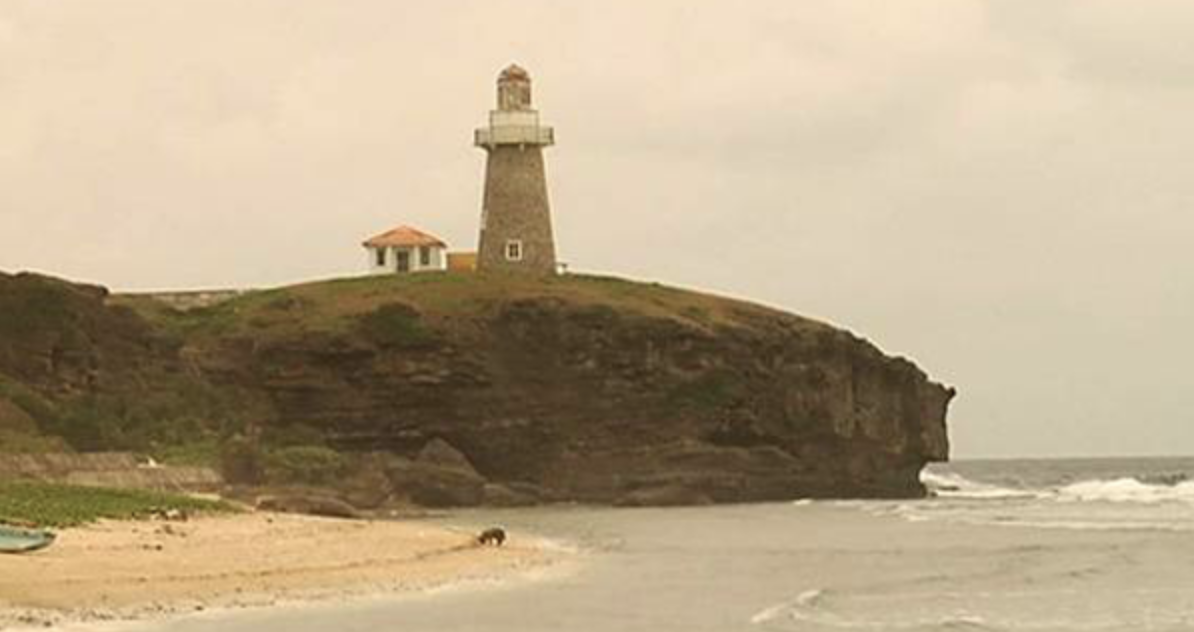
AFP, NSC Reject China's Claims Over Batanes
The Armed Forces of the Philippines (AFP) and the National Security Council (NSC) have unequivocally dismissed claims that Batanes province belongs to China, asserting it is an integral and indisputable part of the Philippines protected by international law, amidst concerns of a Chinese strategy to expand territorial claims.
The Armed Forces of the Philippines (AFP) and the National Security Council (NSC) on Friday dismissed claims that Batanes, the northernmost and smallest province in the country, allegedly belongs to China. In a statement, AFP spokesperson for the West Philippine Sea Rear Admiral Roy Vincent Trinidad emphasized that the Philippines’ sovereignty over Batanes is “settled, indisputable, and non-negotiable.” "The province of Batanes is an integral part of our republic, protected by international law and entrenched in our historic national boundaries," he said. Trinidad said that the AFP cannot and will not let such attempts of “foreign malign influence” go unchallenged. He described this latest disinformation as "salami slicing in the information domain," a systematic manufacturing of false historical and legal narratives intended to desensitize the international community, gradually alter the status quo, and establish a pretext for future expansion. "Leaving these attacks on our cognitive domain unanswered allows revisionist history to take root," he added. Trinidad said the AFP remains fully committed to protecting the Philippines' cognitive domain, maintaining total maritime domain awareness, and defending the territorial integrity of the country. This comes amid reports that numerous researchers from Chinese universities and institutes declared that Manila’s control over Batanes supposedly lacks historical and legal basis. The scholars said that Batanes constitutes a geographical extension of Taiwan, with sovereignty belonging to China. Defense Secretary Gilberto Teodoro Jr. earlier called claims that Batanes belongs to China, by way of Taiwan, as “baseless and ludicrous,” saying all academics should immediately debunk the theory. Teodoro said there is a danger that Chinese citizens believe the claims. Meanwhile, National Security Adviser Eduardo Oban Jr. said that they view such reports with serious concern, stressing that claims that Batanes belongs to China have no merit at all. "But from a national security perspective, we cannot ignore how false narratives can be repeated to manufacture ambiguity where none exists," Oban said in a statement. As the Philippines mark the 10th anniversary of the 2016 South China Sea Arbitral Award, Oban reminded what is at stake when such baseless narratives are allowed to harden into claims. "Claims are used to justify presence, and presence is used to normalize coercion. That is why we will not allow manufactured history to become manufactured rights, nor a fabricated dispute to take root over what is unquestionably ours," he said. "Ten years after the Arbitral Award, we know how false claims begin, and we will not allow them to take root. Batanes is, and will always remain, an integral and indivisible part of the Republic of the Philippines. There is no dispute to settle, no claim to negotiate, and no ambiguity to resolve," he added. The Philippine government sued China before an international arbitral tribunal in The Hague in 2013. It ruled in favor of the Philippines in July 2016 when it junked China's nine-dash claim over the South China Sea. China, however, rejected the Philippines' call to comply with the 2016 arbitration ruling, calling the decision "illegal and invalid." —AOL, GMA News
多角的分析
中国によるバタネス諸島への領有権主張は、直接的な経済的影響は現時点では限定的であると考えられる。しかし、長期的に見れば、南シナ海における緊張の高まりは、フィリピンの経済成長の潜在力を損なう可能性がある。特に、周辺海域での漁業や資源探査、さらには国際貿易ルートの安全保障に対する懸念は、外国からの投資を躊躇させる要因となりうる。フィリピン政府は、仲裁判断に基づいた国際法遵守を訴え続けているが、中国の強硬姿勢が続く場合、経済的リスクは増大するだろう。
投資家にとって、バタネス諸島に関する中国の主張は、フィリピンの地政学的なリスクを浮き彫りにするシグナルと捉えられる。過去の南シナ海を巡る紛争事例(例:スカボロー礁事件)では、一時的に市場の不確実性が高まった。今回の主張は、中国が「サラミ・スライシング」戦術を用いて現状変更を図ろうとしている可能性を示唆しており、これはフィリピンの主権と安全保障に対する直接的な挑戦と見なされる。投資家は、フィリピン政府の毅然とした対応を評価する一方で、中国の今後の行動を注視し、地政学リスクが経済活動に与える影響を慎重に評価する必要がある。
バタネス諸島住民の生活には、直接的な影響は現時点では確認されていない。しかし、中国による領有権主張は、地域社会に潜在的な不安をもたらす可能性がある。特に、フィリピンの主権が揺るがされるのではないかという懸念は、住民のアイデンティティや安全保障意識に影響を与える。また、この問題が情報戦の一環として「偽の歴史的・法的物語」を製造する試みであるというAFPの指摘は、フィリピン国民全体が、誤情報に惑わされず、自国の領土に対する確固たる認識を持つことの重要性を示唆している。これは、教育やメディアリテラシーの強化といった課題にもつながる。
マニラ首都圏の市民にとって、バタネス諸島への中国の主張は、遠い出来事のように聞こえるかもしれない。しかし、これはフィリピン全体の領土保全に関わる問題であり、国家安全保障への懸念を呼び起こす。特に、SNSなどを通じて情報が拡散される現代においては、こうした偽情報が人々の認識に影響を与える可能性がある。市民は、政府の公式発表や信頼できる情報源からの情報を確認し、自国の主権を守るための意識を高めることが求められている。また、南シナ海問題が国際的な緊張を高めることは、物価や経済全体にも間接的な影響を及ぼす可能性がある。
背景・歴史的文脈
フィリピンと中国の間で南シナ海を巡る緊張が続く中、中国の研究者らがフィリピン領バタネス諸島への中国の領有権を主張する動きが出た。これは、2016年の南シナ海仲裁裁判でフィリピンが中国の広範な海洋権益主張を退ける判決を得た後も、中国が一方的な主張を続ける姿勢を示している。中国は、歴史的根拠や地理的連続性を理由に、南シナ海のほぼ全域に「九段線」を引いて主権を主張しており、フィリピンはこれに強く反発してきた。バタネス諸島は台湾に近接しており、この主張は、台湾情勢と連動した中国の海洋戦略の一環とも解釈できる。
原文ソース
GMA News Philippines