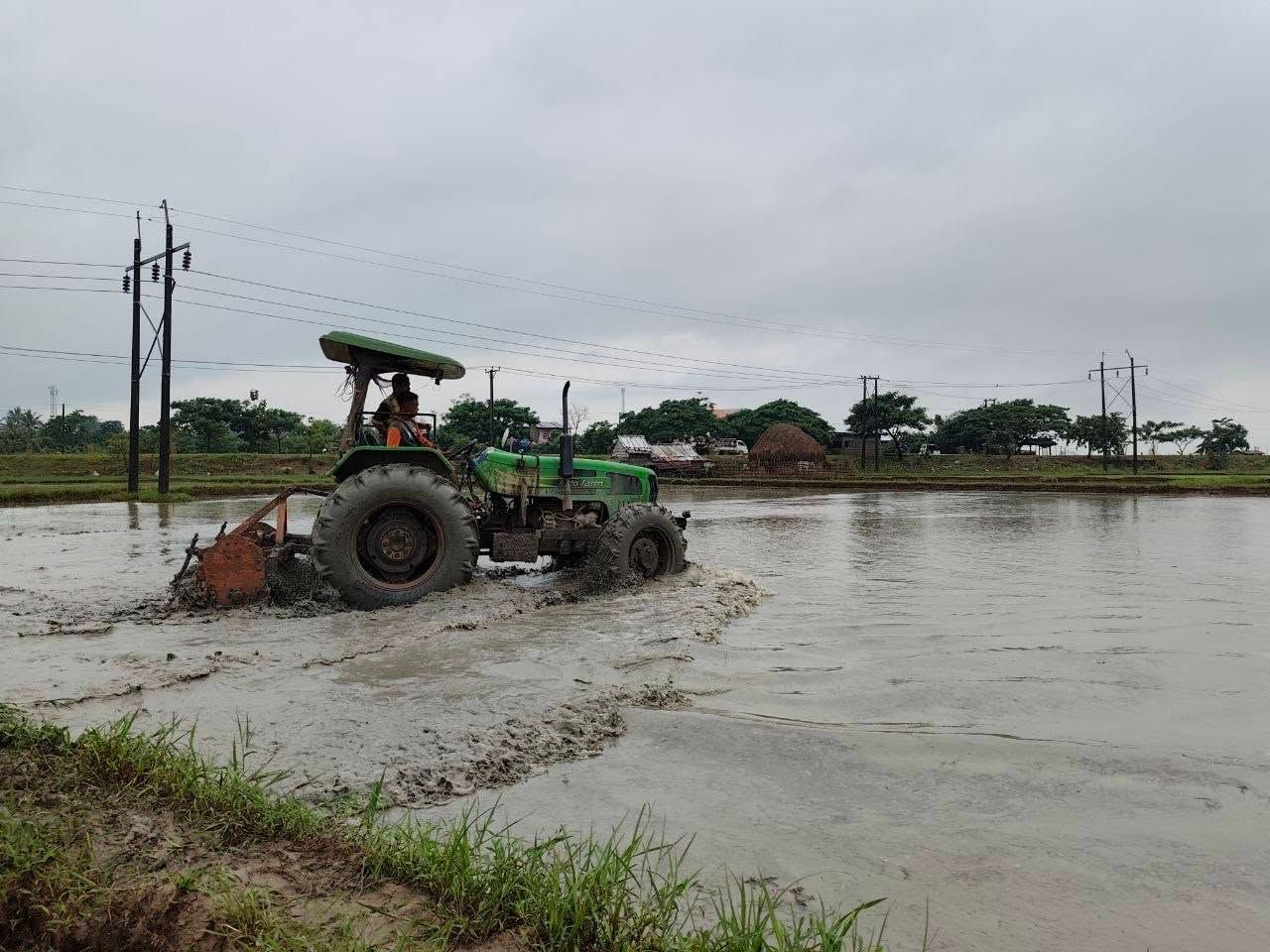
Rakhine State farmers face acute food security crisis after paddy fields in 11 townships destroyed
Tens of thousands of acres of agricultural farmland across at least 11 townships in Arakan State have been devastated by historic monsoon flooding, leaving rural communities in urgent need of seed rice and emergency fina
This article requires PRO
This article is outside the free access window or is a special report. PRO unlocks it and the full archive.
Related articles
- YGN Region CM met with returnees from Malaysia
The Government of the Republic of the Union of Myanmar places great importance on supporting its citizens and assists Myanmar nationals residing abroad under any circumstances whenever they encounter difficulties. On the
- Inspecting Meat Production Sub-Division: YGN Mayor inspected meat production sub-division
Yangon Region Minister for Development Affairs and Chairman of Yangon City Development Committee-YCDC (Mayor), U Myo Myint Aung, accompanied by Secretary U Cho Tun Aung, committee members, heads of departments, and respo
- Malaysian Prime Minister says 10,000 Myanmar nationals repatriated since January
Malaysian Prime Minister Anwar Ibrahim told parliament in the capital Putrajaya on Tuesday that approximately 10,000 Myanmar nationals have been repatriated from Malaysia since January. Prime Minister Anwar defended Putr
- Efforts underway to form Urban Search and Rescue Special Team
Efforts are underway to select firefighters and form an Urban Search and Rescue Special Team, said Deputy Minister of Home Affairs, Major General Min Thu. Major General Min Thu made this statement in response to a starre